VR gaming trends are not just a passing fad; they’re a digital revolution that’s flipping the gaming world on its head faster than a virtual ninja in a VR dojo! Imagine strapping on a headset and being transported into a realm where you can swing lightsabers, battle dragons, or even just hang out with friends on a pixelated beach. With immersive experiences skyrocketing, it’s no wonder VR is taking the center stage in gaming conversations everywhere.
From jaw-dropping advancements in technology to social interaction in multiplayer realms, VR gaming is reshaping how we connect, compete, and collaborate in our digital playgrounds. Get ready to dive into the popular titles that have emerged and see how console gaming is about to get a turbo boost of pizzazz with VR technology that could make even the most stoic gamer crack a smile!
VR Gaming Trends Overview
Virtual reality gaming is not just a trend; it’s a full-blown revolution that’s taking the gaming world by storm! With advancements in technology that make players feel like they’re actually inside the game, the industry is experiencing an exhilarating transformation. Gone are the days when VR was just a futuristic concept; today, it’s as real as that pizza you just ordered while gaming!The current landscape of VR gaming is marked by the rise of immersive experiences, bringing players closer to their virtual worlds than ever before.
With hardware and software rapidly evolving, developers are crafting games that captivate users while pushing the boundaries of what is possible. Noteworthy titles like “Half-Life: Alyx,” “Beat Saber,” and “The Walking Dead: Saints & Sinners” dominate the scene, showcasing the potential of this medium.
Popular VR Games
The VR gaming market has erupted with an array of titles that have captured the hearts (and thumbs) of players worldwide. Here’s a look at some leading examples that are setting the standard for what VR can achieve:
- Half-Life: Alyx
-A groundbreaking return of the beloved franchise, this game immerses players in a dystopian world, complete with mind-bending puzzles and intense combat. - Beat Saber
-A rhythm game that combines dance and lightsabers. Swing your way through blocks to the beat of your favorite tunes—it’s like being a Jedi but with a disco twist! - The Walking Dead: Saints & Sinners
-Dive into a zombie apocalypse with this survival horror game that forces you to make tough choices while wielding a plethora of weapons. - Population: One
-A VR battle royale that encourages vertical gameplay, allowing players to climb, fly, and strategize in a dynamic environment. - VRChat
-More than just a game—it’s a social platform where you can meet friends, create experiences, and even attend virtual concerts (pants optional).
Technology Advancements Driving Trends
The surge in VR gaming popularity can largely be attributed to several technological advancements. These innovations are not just making the experience more enjoyable but are also expanding the potential of what games can offer.
Improved Hardware
With lighter and more comfortable headsets, such as the Meta Quest 2 and Valve Index, long gaming sessions are now feasible without straining your neck or your psyche.
Wireless Capabilities
The shift to wireless technology has liberated players from the shackles of cords, allowing for freedom of movement that enhances immersion. Just be careful not to trip over your cat!
Enhanced Graphics and Processing Power
The latest GPUs and VR-ready devices deliver stunning visuals that bring virtual worlds to life. You might start questioning if that tree in your game is real!
Eye Tracking and Hand Tracking
These features allow for more natural interactions within games. Waving hello to your virtual friend is now more realistic than trying to do so with a traditional controller.
AI Integration
The incorporation of AI is creating smarter NPCs and dynamic storytelling, ensuring that no two gaming sessions are the same. Expect the unexpected!In conclusion, VR gaming is on an exhilarating trajectory fueled by innovations that promise to enrich the gaming experience. Gamers can expect not only to play games but to live them in ways that would leave even the most seasoned players awestruck.
So, buckle up, headset on, and get ready for an adventure that’s just as thrilling as it is immersive!
Multiplayer Gaming in VR
Multiplayer gaming in virtual reality is like hosting a wild party in a digital universe where everyone’s invited to join the fun! Imagine donning your VR headset, and instead of just battling against AI foes, you’re taking on friends from around the globe, or even the guy who lives next door but usually avoids you at family BBQs. The significance of multiplayer VR gaming lies in its ability to transform solitary gaming experiences into vibrant social gatherings, adding a new dimension of interaction that traditional gaming just can’t match.The growth of multiplayer VR has led to a plethora of exciting games that have captured the hearts—and thumbs—of gamers everywhere.
These titles have brought together diverse communities, enabling players to engage with each other in ways that are as thrilling as the latest rollercoaster. Some of the most popular multiplayer VR games include:
Key Multiplayer VR Games
These games aren’t just fun; they’re the life of the virtual party! Here are some notable titles:
- Half + Half: A whimsical playground where players can swim, fly, and engage in goofy minigames, all while showcasing their VR dance moves.
- Rec Room: An expansive social platform filled with games ranging from paintball to questing, where players can create their own adventure or just hang out in the lounge.
- VRChat: A social experience that’s like stepping into a digital carnival where you can meet friends, dance, and even explore worlds created by other users.
- Population: One: A battle royale that combines vertical gameplay with team strategy, where players can build and climb their way to victory.
The impact of multiplayer VR gaming extends beyond just playing games; it nurtures social interactions and fosters a sense of community. Players, who may have never crossed paths in the real world, find common ground in their shared love for virtual adventures. Whether it’s teaming up to defeat a formidable boss, engaging in friendly banter, or simply sharing a laugh over a virtual drink, the social fabric of multiplayer gaming is woven with vibrant threads of human connection.
Community Building Aspects
In multiplayer VR, the virtual world serves as a melting pot of diverse personalities and backgrounds. The interactions in these games often lead to the formation of tight-knit communities. The following elements highlight how multiplayer VR games are crucial in building these communities:
- Shared Experiences: Participating in epic battles or cooperative missions fosters camaraderie and creates lasting memories.
- Player Customization: The ability to customize avatars allows players to express individuality while encouraging connections over shared interests.
- Events and Competitions: Multiplayer games often host in-game events or competitions, bringing players together in pursuit of common goals.
- Friendship Extensions: Players can connect and communicate outside the game, forming friendships that often last beyond the virtual realm.
“In the realm of VR, you don’t just play; you belong.”
As the industry continues to evolve, multiplayer gaming in VR is shaping up to be the ultimate social playground, reminding us that sometimes, the best adventures are the ones we share with others. So grab your headset, rally your friends, and get ready to dive into a world where the only limit is your imagination (and maybe your internet connection).
Future of Console Games and VR Integration

As we venture into the thrilling realm of gaming, the union of console games and virtual reality (VR) technology is stirring excitement and anticipation among gamers worldwide. Gone are the days when consoles simply served as platforms for static gameplay; they’re now evolving into gateways to immersive digital worlds where players can not only observe but actively participate. The integration of VR technology into console gaming marks a significant evolution in how we experience games.
This transition is driven by advancements in hardware, game design, and consumer expectations. Leading manufacturers are exploring ways to enhance gaming experiences, prompting a shift from traditional screen-time to an experience where players can step into the game world.
Upcoming Console Releases Supporting VR Gaming
Several upcoming console releases are set to support VR gaming, signaling a significant leap forward for the industry. These consoles aim to bridge the gap between conventional gaming and immersive experiences. Noteworthy upcoming consoles expected to make waves include:
- PlayStation 5 VR2: The PS5 continues to lead in the VR space with its next-gen VR headset. Featuring enhanced graphics, more immersive haptic feedback, and a broader library of VR titles, this console aims to redefine player engagement.
- Xbox Series X Virtual Reality: Although Microsoft has been hesitant on VR, rumors indicate that they are exploring partnerships to integrate VR into their platform, potentially enabling Xbox users to experience VR gaming in the future.
- Nintendo’s Next Console: While details are sparse, Nintendo has a history of innovating, and fans are speculating about their next console incorporating AR or VR elements, following the success of the Switch.
The significance of these advancements lies in their potential to create fully immersive experiences, merging physical and digital environments like never before.
Comparison of Traditional Console Gaming and VR Experiences
When comparing traditional console gaming with VR experiences, one must consider how each approach engages players. Traditional console gaming typically involves sitting on a couch, controller in hand, with players rooted to a fixed viewpoint. Conversely, VR gaming offers an entirely different dimension of engagement, immersing players in a 360-degree environment.Key differences include:
- Engagement Levels: VR experiences demand active participation, with players physically moving, ducking, or even jumping, creating a more engaging experience than the passive lean-back style of traditional gaming.
- Social Interaction: Multiplayer VR games often create a sense of presence among players, allowing them to interact in a shared digital space, whereas traditional gaming can sometimes feel isolating despite online capabilities.
- Gameplay Variety: The mechanics of VR allow for new gameplay styles. For instance, instead of pressing buttons to swing a sword, players literally act out the movements, making the experience feel more natural and intuitive.
“The future of gaming is not just playing on a screen; it’s about living the game.”
As console developers increasingly incorporate VR technologies, the lines between traditional and immersive gaming will continue to blur, offering exciting possibilities for gamers seeking new experiences.
Final Summary
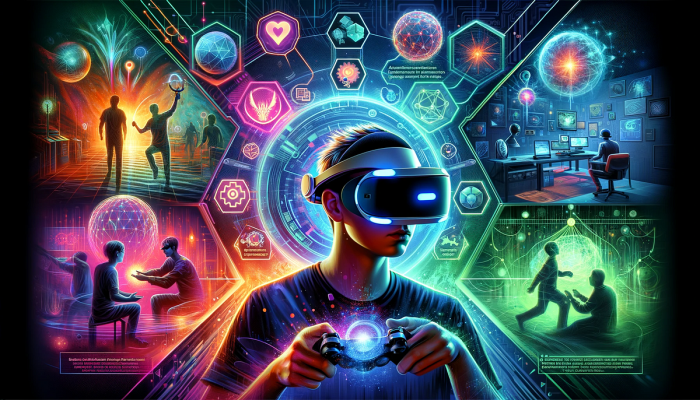
In conclusion, the VR gaming trends are not only transforming how we play, but they’re crafting entire communities and adventures that blur the lines between reality and the virtual world. As technology continues to evolve, and more gamers don their headsets, the possibilities are as vast as the universe of games themselves. So, strap in and get ready, because the future of gaming is not just near; it’s already here, knocking on our virtual doors with a big smile and a controller in hand!
Helpful Answers
What are the latest VR gaming trends?
The latest trends include enhanced multiplayer experiences, integration with console games, and advancements in hardware that make VR more accessible and immersive.
Are VR games suitable for all ages?
Not all VR games are suitable for every age; it’s important to check the ratings and content before jumping in.
How does VR gaming compare to traditional gaming?
VR gaming offers a more immersive experience, making players feel as if they are truly part of the game world, which is a stark contrast to the flat screens of traditional gaming.
Will VR gaming replace traditional gaming?
While VR is growing rapidly, it’s unlikely to completely replace traditional gaming; rather, it will coexist and offer different kinds of experiences.
What are some popular VR games right now?
Popular VR games include Beat Saber, Half-Life: Alyx, and Rec Room, showcasing a mix of action, adventure, and social interaction.