Strap on your virtual helmets, folks, because VR adventure games are here to whisk you away on wild escapades where reality takes a backseat and imagination hits the gas! These games are not just a fancy way to put on a headset; they’re portals to other universes where you can slay dragons, solve mind-bending puzzles, or simply have a tea party with a dragon that’s surprisingly articulate.
VR adventure games have revolutionized the gaming industry by fusing storytelling with cutting-edge technology, creating immersive experiences that put you right in the heart of the action. From their humble beginnings to breathtaking advancements, these games have evolved into a staple of modern gaming, with iconic titles leading the charge and setting the bar high for future adventures.
VR Adventure Games Overview
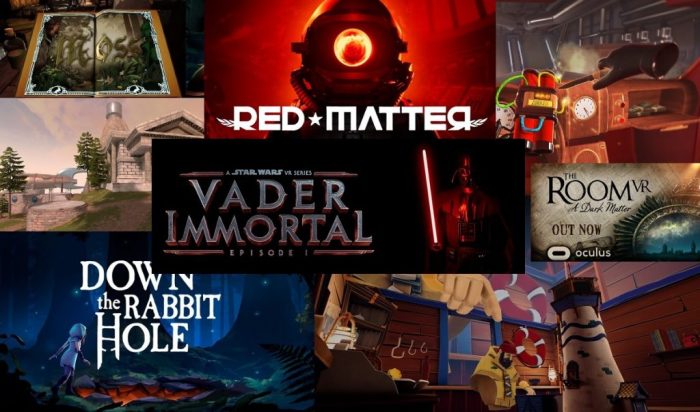
Virtual Reality (VR) adventure games have catapulted players into immersive worlds, allowing them to explore fantastical realms, solve intricate puzzles, and engage in thrilling narratives like never before. The significance of VR adventure games in the gaming industry cannot be overstated, as they have revolutionized the way we interact with digital environments, driving technological innovations and player expectations to unprecedented heights.The evolution of VR adventure games has been a wild ride, marked by key milestones that highlight the technological and creative advancements within the genre.
From the early VR experiments of the 1990s, which often resembled pixelated nightmares, to the sophisticated and richly detailed experiences available today, this genre has transformed remarkably. Major breakthroughs in motion tracking, graphics, and interactive storytelling have paved the way for a new generation of gaming, where players are not just observers but active participants in their adventures.
Key Milestones in VR Adventure Games
Several pivotal moments have shaped the landscape of VR adventure games, showcasing significant technological advancements and creative breakthroughs.
- 1991: The Virtuality Group’s Arcade Machines
-One of the first instances of immersive gameplay, allowing players to step into their favorite games, albeit with limited graphics and motion. - 2012: Oculus Rift Kickstarter Campaign
-A groundbreaking moment when VR returned to mainstream attention, raising over $2 million and setting the stage for modern VR development. - 2016: Launch of PlayStation VR
-The introduction of affordable consumer VR brought adventure games to console players, expanding the audience significantly. - 2017: The Release of “Beat Saber”
-While not a traditional adventure game, it showcased the potential for engaging gameplay mechanics that can pull players into vibrant worlds. - 2020: “Half-Life: Alyx” Debuts
-Redefining expectations for narrative-driven VR adventure games, it delivered a cinematic experience that made players feel truly immersed in its world.
Each of these milestones has contributed to the current state of VR adventure games, pushing the boundaries of what is possible and enriching player experiences.
Popular VR Adventure Games
The realm of VR adventure games is populated with an array of titles that have become fan favorites, each offering unique elements that make them stand out.
- “The Walking Dead: Saints & Sinners”
-This game combines survival horror with a rich story, allowing players to make impactful decisions that shape their experience in a post-apocalyptic world. - “Boneworks”
-Recognized for its physics-driven gameplay, it encourages players to interact with the environment in inventive ways, creating a sense of realism that is often unmatched. - “Moss”
-This charming title features a blend of adventure and puzzle-solving, utilizing a cute mouse character, Quill, that players guide through imaginative environments filled with challenges. - “No Man’s Sky VR”
-An expansive universe awaits exploration in this game, with procedurally generated worlds offering vast opportunities for discovery and adventure. - “The Forest”
-Blending horror with crafting and survival, players are dropped into a mysterious island where they must survive against cannibalistic creatures and uncover dark secrets.
The diversity in gameplay, storytelling, and player interaction found in these popular titles exemplifies the current trends in VR adventure gaming and highlights the genre’s vast potential for growth and innovation.
Multiplayer Gaming in VR Adventures
The realm of VR adventure games is like a thrilling roller coaster ride that occasionally needs a buddy to scream with. When multiplayer functionality zooms into the picture, it transforms solitary quests into epic sagas filled with laughter, camaraderie, and the occasional virtual slap-fight over who gets the best loot. The impact of multiplayer on the gaming experience is not just a sprinkle of magic—it’s the secret sauce that ignites shared journeys and collective challenges.The integration of multiplayer features turns VR adventures into a social playground where players can combine their strengths, strategize against formidable foes, and make each triumph even sweeter (or each defeat more entertaining).
By breathing life into the world around them, players forge friendships and rivalries that make every session memorable. Multiplayer functionality injects unpredictability into gameplay, as you never know when your friend might accidentally launch a fireball in your direction instead of the goblin lurking behind you.
Successful Multiplayer VR Adventure Games
Several titles have mastered the art of multiplayer in the VR space, creating experiences that resonate with players far and wide. The following examples illustrate how multiplayer mechanics can elevate gameplay and engagement:
- Rec Room: A social VR environment where players can create rooms, play mini-games, and embark on adventures together. This game combines creativity with competition, offering an array of activities from paintball to cooperative quests. Imagine building a cardboard fort while your friend tries to launch water balloons at you—chaos ensues, laughs are had, and friendships are solidified.
- Phasmophobia: A cooperative horror investigation game where players team up to hunt ghosts. The tension of entering a haunted house with friends and relying on each other’s unique roles (like the ghost-hunting techie or the terrified lookout) adds layers of strategy and hilarity as everyone desperately tries to survive the night. Bonus points for the moments when panic triggers hilariously poor decision-making.
- No Man’s Sky: Originally a solo space exploration game, it evolved into a multiplayer paradise where players can explore, mine, and build bases together across infinite planets. The sheer scale of the universe means that players can either collaborate to create interstellar empires or engage in friendly space races, occasionally bumping into each other and causing cosmic chaos.
The mechanics here ensure that teamwork is crucial, with each player bringing something unique to the table—like a secret sauce for a culinary adventure or just a really weird dance move to distract the enemies.
Challenges and Advantages of Multiplayer Features in VR
Integrating multiplayer functionality in VR presents both challenges and advantages that developers must navigate with finesse. The challenges include:
- Technical Constraints: Maintaining smooth performance for multiple players in a virtual environment can pose significant technical hurdles. Developers must ensure that lag is minimized; otherwise, one player’s misstep could lead to a virtual pile-up.
- Design Complexity: Balancing gameplay to accommodate various playstyles while keeping engagement levels high requires careful design. Each player’s experience must feel rewarding, regardless of their role in the group.
- User Interaction: Facilitating communication and interaction can be tricky, especially when users have different levels of VR experience. Ensuring that everyone can easily understand and interact with the environment is essential to avoid confusion during gameplay.
On the flip side, the advantages are equally compelling:
- Enhanced Social Interaction: Multiplayer modes foster a sense of community, enabling players to build friendships and share experiences, which is especially valuable in a platform often seen as isolating.
- Dynamic Gameplay: Unpredictability reigns supreme in multiplayer settings. The reactions of human players can surprise and entertain, leading to memorable moments that scripted AI simply can’t replicate.
- Increased Replayability: Different player combinations and strategies can lead to new experiences every time, encouraging players to return and explore the game from different angles.
With these elements in mind, it’s clear that multiplayer functionality not only enhances the thrill of VR adventure games but also poses exciting challenges that push the boundaries of gaming creativity.
Trends and Innovations in Virtual Reality Gaming
As we dive into the fantastical realm of virtual reality adventure gaming, it’s important to recognize that this is not just a passing fad; it’s a wild ride on the technological rollercoaster. With headsets that can transport you to enchanted forests or perilous mountains, the VR gaming landscape is constantly evolving. Whether you are battling dragons or solving ancient puzzles, the innovations making waves in this space are nothing short of magical.Technological advancements are reshaping the very fabric of VR adventure gaming, allowing for experiences that are not only immersive but also incredibly engaging.
From haptic feedback suits that let you feel every battle blow, to AI companions that learn from your gameplay and adapt to your strategies, these enhancements are building a world where players are not just observers, but active participants in their own epic sagas.
Current Trends in VR Adventure Gaming
The landscape of VR adventure gaming is currently being shaped by several vibrant trends that resonate with players eager for fresh experiences. Understanding these trends can illuminate what the future holds for gamers everywhere.
- Increased Accessibility: VR technology is becoming more affordable, making it accessible to a broader audience. Gone are the days when only tech enthusiasts could don the headset; now, everyone from casual gamers to dedicated adventurers can join in on the fun.
- Social VR Experiences: Multiplayer options in VR are on the rise, allowing friends and strangers alike to embark on quests together. The power of shared experiences adds a delightful layer of camaraderie, where victories are celebrated and defeats are humorously lamented, all while wearing headsets that make you look like a space alien.
- Enhanced Graphics and Realism: Advances in graphical fidelity are making virtual worlds more lifelike. With each upgrade, the distinction between reality and the virtual realm blurs further, creating a breathtaking landscape that you can almost taste (though it’s best not to try).
- Interactive Storytelling: Developers are increasingly focusing on narrative-rich experiences where players’ choices have real impacts. This trend leads to dynamic storylines that can change based on your decisions, making every adventure unique and replayable.
Technological Advancements Shaping the Future
As the digital horizon expands, several cutting-edge technologies are paving the way for the next generation of VR adventures. These innovations not only enhance gameplay but also redefine what it means to be a gamer in a virtual universe.
- Haptic Feedback Technology: Imagine feeling the rush of a windstorm or the tremor of an explosion through your bodysuit. Haptic feedback is setting a new standard for immersion, allowing players to literally feel the action.
- Artificial Intelligence: AI-driven characters are becoming more sophisticated, providing players with allies that can strategize and adapt. This technology can lead to unexpected twists in gameplay, keeping players on their toes as they navigate perilous quests.
- Augmented Reality Integration: The blending of VR with augmented reality (AR) is creating hybrid experiences that overlay game elements on the real world. This innovative approach can provide players with a sense of adventure that extends beyond the confines of their living room.
- Cloud Gaming: With the rise of cloud gaming platforms, VR titles can be played on a variety of devices without the need for high-end hardware. This democratizes access to immersive gaming, allowing adventurers to quest from anywhere, even while in their PJs.
Comparative Analysis of VR Adventure Games and Traditional Console Games
When it comes to comparing VR adventure games with traditional console games, the differences in gameplay experience and user engagement are as dramatic as a dragon breathing fire in a quiet village.
- Immersion: VR adventure games offer a level of immersion that console games can only dream of. The sensation of physically being in a world allows players to engage with their surroundings in ways that a controller simply can’t accomplish.
- Physical Interaction: While console games rely heavily on button mashing and joystick maneuvering, VR allows for intuitive gestures and movements. Swing your sword by actually swinging your arm; the only thing missing is the danger of hitting your cat (please be careful!).
- Environmental Engagement: In VR, players can interact with the environment in a tactile manner. Want to pick up a giant sword? Just reach out and grab it! Contrast this with traditional console games, where interaction often feels more like a spectator sport.
- Replayability: VR adventures often feature branching narratives that can lead to different outcomes depending on player choices, whereas many traditional games can become repetitive after the first playthrough. Each VR session can yield a new adventure, offering a freshness akin to finding an extra slice of pizza in the fridge.
Concluding Remarks
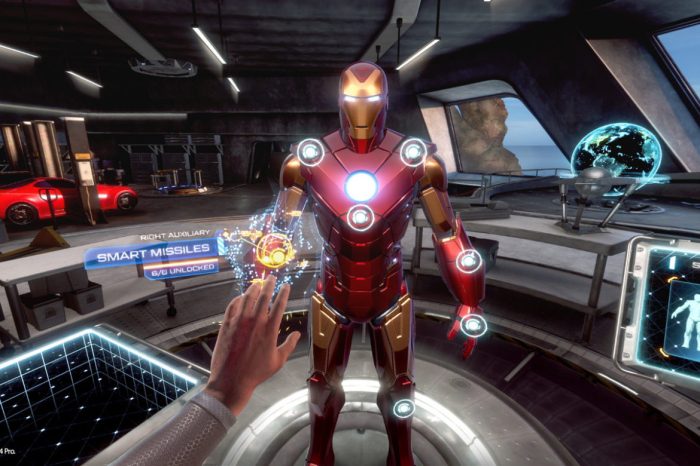
In conclusion, VR adventure games are not just a trend; they are the thrilling rollercoaster ride of the gaming world that keeps on evolving. As technology advances and multiplayer features enhance the experience, the adventures await just around the corner. So, grab your headsets and get ready to dive into worlds where anything is possible, because in VR, the only limit is your imagination (and maybe your living room furniture).
FAQ
What are VR adventure games?
VR adventure games are immersive experiences that place players in fantastical settings where they can explore, solve puzzles, and interact with the environment using virtual reality technology.
Can you play VR adventure games solo?
Absolutely! While many VR adventure games offer multiplayer options, there are plenty of titles designed for solo players, allowing you to embark on epic quests all by yourself.
Do I need a high-end PC for VR adventure games?
Not necessarily! While some VR games require powerful hardware, there are also options available for lower-end systems and standalone VR headsets that can deliver fantastic experiences.
Are VR adventure games suitable for all ages?
Many VR adventure games cater to a wide age range, but it’s always wise to check the game’s rating and content to ensure it’s appropriate for younger players.
How do I avoid motion sickness while playing VR adventure games?
Starting slowly, adjusting the game’s comfort settings, and taking regular breaks can help minimize motion sickness while you enjoy your virtual adventures.