Gaming latency reduction for smoother gaming adventures

Welcome to the wild world of gaming latency reduction, where milliseconds can mean the difference between glory and defeat! Ever found yourself yelling at the screen because your character just stood there while you were furiously mashing buttons? Yep, that’s latency at work, turning your epic quest into a hilarious game of freeze-tag. But fear not, brave gamer! We’re diving deep into the nitty-gritty of latency and exploring how to conquer this pesky foe.

From understanding what latency really is and the factors that contribute to the dreaded lag, to techniques specifically designed for multiplayer mayhem, this guide will arm you with knowledge and tips galore. We’ll also peek into the exciting future of gaming, where technologies like 5G and cloud gaming promise to banish latency into the dark corners of the digital world.

So, buckle up and get ready to optimize your gaming experience!

Gaming Latency Basics

Gaming latency is the delay that occurs between a player’s action and the game’s response. Think of it as the time it takes for your character to jump after you hit that spacebar; if it’s too long, it feels like you’re playing from the moon with a potato for a controller. High latency can lead to frustrating gameplay experiences, especially in fast-paced games where every millisecond counts.

When it comes to competitive gaming, latency can be the difference between a glorious victory and an embarrassing defeat, making it a critical factor in player performance.Various factors contribute to high latency in gaming environments, and understanding these can help players optimize their setups for a smoother experience. These factors include internet connection quality, server distance, and hardware performance. A sluggish internet connection can feel like running in molasses, while a distant server can make you feel like you’re playing a laggy game of intergalactic hopscotch.

Additionally, the performance of your gaming hardware—like your PC or console—can also play a significant role. If your device is struggling to keep up, it’ll make even the most action-packed game feel like a tortoise race.

Factors Contributing to High Latency

Identifying the factors that lead to high latency is essential for gamers looking to improve their experience. Here are some key contributors:

  • Internet Connection: The speed and stability of your internet connection are paramount. A connection resembling a dial-up modem will leave you lagging behind your friends who are cruising on fiber optics.
  • Server Distance: The geographical location of the game server can greatly affect latency. If you’re connecting to a server located on a different continent, it’s akin to sending a letter via carrier pigeon instead of a high-speed internet cable.
  • Network Congestion: During peak usage hours, multiple devices using the same network can cause traffic jams, delaying your packets longer than a coffee addict waiting for their morning brew.
  • Hardware Performance: Old or underpowered hardware can struggle to keep up with modern games, resulting in delays. It’s like trying to run Call of Duty on an ancient toaster—good luck with that!
  • Wi-Fi Interference: Physical obstructions and interference from other wireless devices can hinder your Wi-Fi signal. A wall or a neighbor’s microwave could turn your gaming session into a game of hide and seek with your packets.

Measuring Latency in Gaming

Measuring latency is crucial to identify whether you’re dealing with a minor hiccup or a major lag catastrophe. Here are several methods to gauge latency in both single-player and multiplayer scenarios:

  • Ping Test: Use built-in tools or websites to perform a ping test to the game server’s IP address. A ping below 30ms is generally considered excellent, while anything above 100ms might have you questioning your life choices.
  • In-Game Metrics: Many modern games offer built-in latency displays. Check the settings or options menu to enable this feature; a real-time display can provide insight into how your connection is performing as you frag your enemies.
  • Traceroute: This command-line tool provides detailed information about the route your data takes to reach the game server. It’s like a GPS for your data packets, revealing any pesky delays along the way.
  • Network Monitoring Software: Applications designed to monitor bandwidth and latency can provide comprehensive insights into your connection’s health. Think of it as your gaming guardian angel, always ready to swoop in and save the day!

“In the world of gaming, every millisecond counts. Optimize wisely!”

Multiplayer Gaming and Latency Reduction

In the fast-paced world of multiplayer gaming, every millisecond counts! Lag can turn a heroic headshot into a comical miss, leaving players questioning their aim rather than their internet connection. To ensure a seamless gameplay experience, knowing how to minimize latency is crucial for forging ahead in the digital battlefield.Latency in multiplayer gaming can be influenced by several factors, but primarily, it’s all about the distance between players and their servers, the quality of the network connection, and how well the network settings have been optimized.

This section dives into effective techniques and strategies to help you reduce lag and enhance your multiplayer gaming experience.

Effective Techniques for Minimizing Latency

Reducing latency in multiplayer games requires a focused approach. Here are some effective techniques to keep your gameplay smooth and snappy:

  • Choose the Right Server: Always opt for servers that are geographically closer to you. Playing on a server across the globe is like trying to have a conversation with a friend at a coffee shop while standing in the next state—you’re going to be out of sync!
  • Use a Wired Connection: While Wi-Fi might be convenient, it’s like playing catch with a spaghetti noodle. A wired Ethernet connection is much more reliable and provides a solid performance boost for reducing latency.
  • Limit Background Applications: Close any unnecessary applications and downloads running in the background. A bandwidth-hogging update can turn you into a lagging ghost in your game, and nobody wants that.
  • Optimize QoS Settings: Enable Quality of Service (QoS) settings on your router to prioritize gaming traffic. Think of it as giving your game a VIP pass, ensuring it gets to the front of the bandwidth line.

Role of Server Locations in Latency

Server locations play a pivotal role in determining the latency experienced by players. When you connect to a server, data travels back and forth, and the distance it must cover can introduce delays. Let’s break down the impact of server locations:

  • Geographical Proximity: The closer you are to a server, the shorter the distance the data must travel. This translates to lower latency and faster response times.
  • Server Quality: Not all servers are created equal. A high-performance server with robust hardware and a reliable connection can handle incoming requests much faster, reducing lag significantly.
  • Server Load: A server overloaded with players can lead to increased latency. Opting for a less populated server can enhance your gaming experience, much like avoiding a crowded nightclub.

Strategies for Optimizing Network Settings

Optimizing your network settings is essential for ensuring a smooth multiplayer gaming experience. Here are some strategies that can help enhance your connection:

  • Adjust MTU Settings: The Maximum Transmission Unit (MTU) setting determines the largest packet size that can be sent. Adjusting this can prevent fragmentation and minimize latency. A common MTU size for gaming is around 1472 bytes.
  • Change DNS Settings: Switching to a faster DNS service can reduce the time it takes for your device to resolve domain names, leading to quicker connections. Services like Google DNS (8.8.8.8) are popular choices.
  • Regularly Update Firmware: Keeping your router’s firmware updated can ensure it operates effectively and securely, offering better performance and connectivity for gaming.

“A smooth connection is the difference between victory and defeat in the gaming realm.”

Gaming Optimization Techniques

In the exhilarating world of gaming, where every millisecond counts, optimizing your setup is like getting the ultimate cheat code. By employing various techniques to reduce latency, gamers can enhance their experience, turning those frustrating lag spikes into seamless, headshot-filled moments. Let’s delve into some serious gaming optimization techniques that will help you slay in style!

Software and Hardware Solutions

To tackle the latency beast, a combination of software and hardware solutions can make a significant difference. Here’s a rundown of some key tools and equipment that can propel your gaming experience to the next level:

  • Gaming Routers: These beasts are designed to prioritize gaming traffic, reducing lag and ensuring smooth gameplay. Think of them as the bouncers at the VIP club of your network.
  • Network Switches: For those who love that hard-wired connection, switches can help by connecting multiple devices without interfering with the data flow, making you feel like the queen/king of connection.
  • Game Optimizer Software: Programs like WTFast or Kill Ping can help reduce ping by optimizing your route to the game server. It’s like having a GPS for your data packets!
  • Solid-State Drives (SSDs): These speed demons drastically improve load times, allowing you to jump into the action faster than you can say “gamer rage.”
  • Latency Reduction Tools: Tools such as FPS Boosters can help tweak your system settings, reducing latency and giving you that extra edge during crucial moments.

Wired Connections Over Wireless

While wireless connections may seem like the easy-peasy option, they can be more temperamental than a cat at bath time. Wired connections offer several significant advantages in the realm of latency:

  • Stability: Wired connections provide a consistent and stable signal, eliminating the whims of wireless interference, such as your pet cat deciding to nap on the router.
  • Lower Latency: A wired setup typically results in lower latency because the data travels through a direct line rather than bouncing around in the air like a ping-pong ball at a chaotic match.
  • Higher Bandwidth: More bandwidth means more data can be transmitted at once, reducing delays during peak gaming sessions when your friends are also online.
  • Security: Wired connections are less susceptible to eavesdropping and hacking compared to their wireless counterparts, making them the fortresses of the gaming world.

Latency Reduction in Console Games vs. PC Games

When comparing latency reduction results between console and PC gaming, several factors come into play that can have a dramatic impact on your gaming experience:

Aspect Console Games PC Games
Latency Levels Generally higher latency, depending on the console’s hardware and network capability. Lower latency due to superior hardware and customizable settings.
Network Optimization Limited options; most settings are predetermined by the console. Extensive options, including router settings and software tinkering.
Connection Type Often reliant on Wi-Fi; wired options are available but less common. Wired connections are more common among serious gamers, providing stability.
Realistic Ping Rates Ping rates can suffer if multiple devices are connected. Optimized setups can achieve impressively low ping rates, making every shot count.

Optimizing for latency is not just a luxury; it’s a necessity for serious gamers looking to dominate the competition!

Gaming Trends and Future of Latency Reduction

As we dive into the wondrous world of gaming, one thing is clear: the race for lower latency is hotter than a dragon’s breath in a summer heatwave. With the ever-evolving technological landscape, game developers and players alike are locked in a passionate tango, seeking to banish the evil latency demon from the realm of multiplayer gaming. Buckle up, gamers! We’re about to embark on a journey through the futuristic pathways of latency reduction.

Emerging Technologies in Latency Reduction

Cloud gaming is the shiny knight in armor, charging forth to rescue gamers from the clutches of latency woes. This technology allows gamers to play high-quality games streamed directly from servers rather than relying on local hardware. The magic here is that the heavy lifting is done in the cloud, which can lead to reduced latency if implemented effectively. However, it’s not just about the magic; it’s also about the infrastructure.

Here’s a quick breakdown of how cloud gaming tackles latency:

  • Server Location: Proximity to the nearest data center can dramatically reduce lag. The closer, the better—think of it as gaming’s version of “you snooze, you lose.”
  • High-Speed Internet: A fast, stable internet connection is the secret sauce. It’s like having a coffee at a race—speed is essential!
  • Adaptive Streaming: This technology dynamically adjusts the quality of the stream based on your connection, ensuring a smoother experience. It’s the Netflix of gaming; just minus the awkward “are you still watching?” prompts.

“Cloud gaming has the potential to redefine the gaming experience, allowing players to dive into their favorite games without the burden of high-end hardware.”

Influence of 5G Technology on Mobile Gaming

Enter 5G, the superhero of mobile communication, ready to save us from the horrors of laggy gaming on our phones. With lightning-fast download speeds and reduced latency, this technology is changing the game—literally! Mobile gamers can now enjoy an experience that rivals console gaming, all while standing in line at the grocery store. Here’s how 5G is altering the mobile gaming landscape:

  • Faster Speeds: With 5G, download speeds can reach up to 10 Gbps. That’s faster than a cheetah on roller skates!
  • Lower Latency: 5G networks can reduce latency to as low as 1 millisecond, making mobile gaming feel as responsive as a quick-fingered ninja.
  • Increased Capacity: More devices can connect without reducing performance, so you can game alongside 25 of your friends without any hiccups. Who says a social life and gaming can’t coexist?

“5G has transformed the mobile gaming experience, making it smoother and more enjoyable, wherever you are.”

Virtual Reality Gaming and Latency Solutions

Virtual Reality (VR) gaming has hitched a ride on the latency reduction express, promising players an immersive experience that’s as smooth as butter on a hot pancake. VR addresses latency issues through various techniques to ensure that gamers feel fully immersed without the dreaded lag ruining their adventure. Here’s how VR gaming manages to keep latency at bay:

  • Foveated Rendering: This clever tech renders only what’s in your focus at high quality while reducing the quality of peripheral vision areas. It’s like a well-timed magic trick that keeps computing resources from being wasted!
  • Predictive Tracking: By anticipating player movements, VR systems can reduce lag and make the experience more fluid. It’s like those fortune tellers at fairs, but instead of crystal balls, they use algorithms.
  • High Refresh Rates: Optimized refresh rates help in creating a seamless visual experience, vital for avoiding motion sickness. Nobody wants to hurl their lunch while dodging digital space debris!

“With advancements in VR technology, gamers can now enjoy a virtually lag-free experience, pushing the boundaries of immersion.”

Gaming Adventures and Latency Challenges

In the exhilarating world of gaming, latency can feel like the grumpy troll guarding the bridge to your epic adventure. Just when you’re ready to unleash your virtual fury, lag strikes, turning your swift movements into a sluggish dance. Gamers often navigate intense battles where every millisecond counts, and lag is the uninvited guest at the party who spills drinks on your console.

This section dives into the challenges gamers face with latency during intense gaming adventures and the clever strategies they employ to adapt.

Latency Challenges in Fast-Paced Games

Fast-paced games present unique latency challenges that can turn a glorious win into a facepalm moment. When you’re sprinting down a digital battlefield, dodging fireballs and enemy snipers, any delay can result in a spectacular defeat. The experience is akin to trying to catch a greased pig at a county fair—your inputs are like the outstretched arms, but the pig (or, in this case, your character) just won’t cooperate.

Here are the primary latency challenges gamers face:

  • Delayed Input Response:

    This occurs when your character doesn’t respond to your commands in real-time, leading to missed shots and awkward interactions.

  • Pinging and Lag Spikes:

    Sudden increases in latency can cause characters to teleport or freeze, turning competitive matches into comedic sketches.

  • Synchronization Issues:

    When different players see different versions of events due to latency, it’s like playing charades without knowing the rules—confusion reigns supreme!

Strategies to Adapt to Latency Issues

Gamers have developed a robust toolbox of strategies to tackle latency issues in the heat of battle. Adapting to lag can mean the difference between triumph and tragedy, so here are some methods players use to stay ahead of the game:

  • Prioritize Wired Connections:

    Using an Ethernet cable instead of Wi-Fi is like trading in your horse-and-buggy for a turbocharged sports car—way faster and more reliable!

  • Adjust Graphics Settings:

    Lowering graphics settings can reduce the strain on your device, allowing for a smoother experience; think of it as wearing a lightweight superhero costume instead of a bulky suit of armor.

  • Game Server Selection:

    Choosing a server closer to your geographical location can significantly reduce latency, making sure you can kick butt instead of just standing there like a statue.

Examples of Games with Effective Latency Reduction

Many popular games have implemented techniques to minimize latency, ensuring that players can enjoy smooth gameplay and fierce competition. These games have either developed their frameworks or partnered with technology providers to enhance performance. Here are noteworthy examples:

  • Fortnite:

    The game employs advanced server architecture and optimized packet handling to provide quick responses even during chaotic battles.

  • Call of Duty: Warzone:

    This game uses dedicated servers and peer-to-peer connections to reduce lag, allowing players to focus on shooting rather than dodging invisible bullets.

  • Apex Legends:

    By utilizing data centers strategically placed worldwide, it ensures that players experience minimal lag, letting you drop into battle with confidence.

Sports Gambling Online and Gaming Latency

Gaming latency reduction

In the high-octane world of sports gambling, every millisecond matters. Picture this: you’re about to place a bet on the final minutes of a game, and suddenly, latency turns your quick decision into a slow-motion disaster. Low latency isn’t just a luxury; it’s the lifeblood of online betting, ensuring that punters have the edge they need to capitalize on fleeting opportunities.

In this digital arena, where the stakes can be as high as a last-minute touchdown, understanding the implications of latency is crucial for both serious gamblers and casual fans alike.Latency plays a pivotal role in live sports betting. As events unfold in real-time, the ability to place bets rapidly influences outcomes significantly. A mere second can mean the difference between a lucrative bet and watching your chances evaporate faster than a soda on a summer day.

When latency spikes, bettors may miss golden opportunities to cash in on critical game moments, such as a surprise penalty kick or an unexpected player injury. The thrill of real-time betting can quickly turn into frustration if your internet connection is slower than a tortoise on a leisurely stroll.

Comparison of Online Gambling and Traditional Casinos

Understanding the latency experiences in online gambling versus traditional casinos is like comparing a cheetah to a sloth; one is fast-paced and thrilling, while the other is a more leisurely experience. Below is a comparison of the two environments and how latency impacts the overall gambling experience.In traditional casinos, latency is minimal, with live dealers and real-time interactions providing instant feedback.

However, when it comes to online gambling, especially during live events, latency can become a fickle friend or foe. Here’s a closer look:

  • Speed of Betting: Online betting relies on internet speed. A slight delay can lead punters to miss critical betting windows.
  • Real-time Updates: Traditional casinos provide immediate updates, but online platforms might lag, impacting decision-making.
  • Social Interaction: In-person betting allows for immediate discussions and strategy sharing, while online can feel isolated and delayed.
  • Access to Data: Online gamblers can access vast amounts of data and stats, but high latency can slow down the processing of this information.
  • Multitasking: Online platforms allow betting on multiple games simultaneously, but latency can complicate quick decision-making.

In sum, while traditional casinos provide a seamless experience, online gambling relies heavily on technology, where latency can make or break your betting game. In the exhilarating world of sports gambling, the key takeaway is clear: keep your connection as sharp as your betting instincts!

“In sports gambling, every millisecond counts. Don’t let latency turn your winning streak into a losing streak!”

Gambling Casino in Paris and Gaming Experiences

Gaming latency reduction

Step right up, ladies and gentlemen! Welcome to the dazzling world of Parisian casinos, where the Eiffel Tower casts its shimmering glow over the glitzy slot machines and the roulette wheels whirl in anticipation. But before you don your best beret and toss your chips, let’s delve into how gaming latency can play a sneaky game of hide and seek with your gambling experience.

While you might think that sipping a fine Bordeaux and placing a bet is all about luck, gaming latency can have a dramatic impact on the thrill of the chase. Imagine this: you’re poised to make that winning bet on a virtual blackjack table, your heart pounding, and just as you click “Hit,” latency decides it’s time for a coffee break.

That split-second delay could mean the difference between victory and the dreaded “better luck next time” plate of fries. In an online gambling world where every millisecond counts, a laggy connection can turn the glamour of a Parisian casino into a frustrating game of catch-up.

Integration of Gaming Technology in Gambling Establishments

The Paris casino experience is not just about the glitz and glam; it’s also about high-tech wizardry weaving seamlessly into the fabric of gambling. Casinos are now embracing cutting-edge gaming technology to enhance the player experience like never before. The integration of low-latency streaming and lightning-fast servers means that you’re never left hanging, even when the stakes are high.Here are some of the tech trends transforming the gambling scene in Paris:

  • Real-Time Data Analytics: Casinos use powerful algorithms to analyze player behavior, ensuring that every game is as engaging as possible. It’s like having a personal gaming genie! 🎰
  • Augmented Reality (AR) Experiences: Ever wanted to play baccarat with the Eiffel Tower as your backdrop? With AR, you might just get that wish! Imagine virtual dealers popping up in your living room as you gamble from home.
  • Blockchain Technology: Security is paramount, and blockchain ensures transparent and safe transactions, giving players peace of mind as they test their luck.
  • Mobile Gaming Innovations: With the rise of mobile gaming, players can now enjoy the Parisian casino experience right from their smartphones, with latency so low it feels like you’re at the table!

The integration of these technologies not only enhances the gaming experience but also addresses the pesky issue of latency, ensuring that players can focus on placing their bets instead of watching the loading screen.

Future of Gaming Experiences in Casinos with Advancements in Latency Reduction

Looking ahead, the future of gaming experiences in Paris casinos is as bright as the City of Lights itself. With ongoing advancements in latency reduction, the gambling experience is set to become even more exhilarating. Consider this: with the advent of faster internet protocols and edge computing, the time it takes for data to travel from your device to the casino server—and back—will shrink dramatically.

This means that the days of suspenseful delays when you make that killer blackjack move are numbered. Some potential future advancements include:

  • 5G Technology Integration: With 5G rolling out globally, expect lag-free gaming experiences that allow for seamless live streaming and real-time interaction with dealers and other players.
  • AI-Powered Assistance: Imagine an AI buddy that provides instant feedback on your gaming strategy, helping you optimize your bets while keeping latency at bay.
  • Enhanced Virtual Reality (VR) Casinos: As VR technology advances, players could find themselves in fully immersive casino environments, where latency is minimized to make the experience feel incredibly real.
  • Smart Contracts for Fair Play: With blockchain and smart contracts, players can ensure that every game is fair, with latency issues becoming a thing of the past.

The revolution in gaming experiences promises not just to enhance the thrill of gambling in Paris but to redefine what it means to place a bet. So, whether you’re a high roller or just hoping to hit it big on a slot machine, the future of gaming in the City of Light is bound to keep you on your toes—without the latency lag!

End of Discussion

And there you have it, fellow gamers! With a treasure chest of tips and tricks to reduce gaming latency at your disposal, you’re all set to launch into your next gaming escapade without the annoying lag. Remember, nobody wants to be that player who gets left behind because of a few milliseconds! So, embrace the technology, adjust those settings, and may your gaming sessions be ever smooth and filled with virtual victories.

Game on!

Essential Questionnaire

What is gaming latency?

Gaming latency is the delay between your action (like pressing a button) and the game’s response, often measured in milliseconds.

How can I measure my gaming latency?

You can measure latency using tools built into games, third-party programs, or by checking your ping in online matches.

Does wired connection really make a difference?

Absolutely! Wired connections generally offer lower latency compared to wireless connections, making them a gamer’s best friend.

How does server location affect latency?

Closer servers mean shorter data travel time, which reduces latency and results in a smoother gaming experience.

Are there any emerging technologies that help with latency?

Yes! Technologies like 5G and cloud gaming are helping to greatly reduce latency, especially for mobile and online gaming.

Best gaming optimization for a legendary playtime

Best gaming optimization

Best gaming optimization is like a wizard casting a spell over your gaming rig, transforming it into a turbocharged beast ready to tackle the fiercest digital foes. Picture this: you’re slaying dragons, racing through virtual streets, or building empires, all while your gaming experience is smoother than butter on a hot pancake. In this epic quest, we’ll explore the magical realm of gaming performance, uncovering techniques, hardware secrets, and network wizardry that’ll elevate your gameplay into the stratosphere!

From the latest trends in gaming technology to multiplayer strategies that would make even the bravest knights envious, we’re diving deep into the art of optimization. Whether you’re a lone adventurer or part of a legendary guild, optimizing your gaming setup will ensure your quests are nothing short of legendary.

Gaming Optimization Techniques

Best gaming optimization

In the exhilarating world of gaming, achieving peak performance can transform a mere mortal into a digital deity. Whether you’re battling in epic multiplayer arenas or exploring vast open worlds, optimizing your gaming rig is essential for an immersive experience. Forget about the days of lag spikes and low frame rates; it’s time to level up your setup, and we’ve got the magic spells—er, techniques—to help you do just that.

Effective Methods for Optimizing Gaming Performance

To ensure your gaming sessions are as smooth as butter on a hot skillet, consider the following methods. Each technique plays a vital role in maximizing performance and ensuring you never miss a beat in your digital adventures.

  • Update Drivers: Keeping your graphics card and other drivers up to date is like giving your PC a regular spa day. Manufacturers release updates that can significantly boost performance, fix bugs, and enhance compatibility with the latest games.
  • Optimize Game Settings: Adjusting in-game settings can lead to a major boost in performance. Lowering shadows and reflections can free up precious resources without making the game look like a potato.
  • Use Game Mode on Windows: Toggle on Game Mode to prioritize gaming processes over background applications. This mode is like asking your operating system to put on a ‘Do Not Disturb’ sign for everything but your epic showdown.
  • Close Background Applications: Shut down unnecessary applications running in the background. These digital freeloaders can hog resources like they’re at an all-you-can-eat buffet.

Impact of Hardware Upgrades on Gaming Optimization

Upgrading your hardware is akin to trading your trusty steed for a racing stallion in the gaming world. The right upgrades can drastically improve your gaming experience, paving the way for higher frame rates and stunning visuals.

  • Graphics Card: A powerful GPU can handle demanding games with ease, pushing out frames faster than you can say “epic loot.” Consider options like the NVIDIA GeForce RTX 30 series or AMD Radeon RX 6000 series for a worthy upgrade.
  • RAM: Increasing RAM from 8GB to 16GB or more can eliminate stutter and enhance multitasking. Programs running in the background will no longer be your nemeses!
  • SSD vs. HDD: Opting for an SSD significantly reduces load times. It’s like switching from a snail to a cheetah. You’ll be in-game faster than you can find that elusive loot chest.
  • Cooling Solutions: A good cooler can prevent thermal throttling, ensuring your components run at optimal temperatures. Nobody likes a sweaty gaming session!

Adjusting In-Game Settings for Optimal Performance

Finding that sweet spot between performance and visual fidelity is crucial for an enjoyable gaming experience. With a few tweaks, you can enjoy stunning graphics while keeping your frame rates soaring.

  • Resolution Scaling: Lowering the resolution slightly can improve performance without sacrificing too much visual quality. It’s like wearing glasses—everything becomes clearer and faster!
  • V-Sync and Frame Rate Limits: Enabling V-Sync can help eliminate screen tearing, and setting a frame rate limit can prevent your system from overexerting itself.
  • Texture Quality: High texture settings can enhance your visuals, but they can also be demanding. If you’re struggling, a moderate texture setting can still look great while keeping performance in check.
  • Anti-Aliasing: While this feature smooths out jagged edges, it can impact performance. Tuning it down or off can yield significant performance gains with minimal visual loss.

Optimizing your gaming setup is like leveling up your character: it only gets better with the right gear and skills!

Multiplayer Gaming Strategies

In the vast digital coliseum where gamers from all corners of the globe unite (or battle fiercely), the quest for victory is often waged not just on the battlefield, but also behind the scenes in the realm of network settings. Multiplayer gaming is a delicate dance of strategy, skill, and, let’s not forget, a sprinkle of good ol’ internet magic.

Let’s dive into advanced strategies to optimize your network settings, minimize latency, and harness the power of dedicated servers to elevate your gaming experience to god-like levels.

Optimizing Network Settings for Multiplayer Gaming

Every gamer knows that a smooth connection can mean the difference between nailing that epic headshot or getting blasted off the map like a rookie. To ensure your gaming setup is primed for action, consider these advanced strategies for optimizing your network settings:

1. Wired Connection Over Wireless

While Wi-Fi might be convenient for browsing cat videos, a wired Ethernet connection offers a more stable and faster connection that can help prevent the dreaded lag spikes during intense gameplay.

2. Quality of Service (QoS) Settings

By prioritizing your gaming traffic over other devices in your household, you can ensure that your gaming packets get the VIP treatment. Configure your router’s QoS settings to prioritize gaming traffic, leaving Netflix buffering in the dust.

3. Port Forwarding

Adjusting your router settings to open specific ports used by your games can reduce latency and improve connection stability. Check your game’s documentation for the necessary ports, and become the network wizard you were destined to be!

4. Updating Router Firmware

Just like your favorite game, routers need updates too! Keeping your router firmware up-to-date can enhance performance and security, ensuring you’re not playing with vulnerabilities.

“An optimized network is a happy network.”

Minimizing Latency for a Smoother Multiplayer Experience

Latency is the sneaky villain in the multiplayer world, often lurking in the shadows, waiting to strike during your most crucial gaming moments. Understanding and minimizing latency can lead to a dramatically enhanced gaming experience. Here’s how to keep the latency monster at bay:

Choose the Right Server

Connecting to servers that are geographically closer to you can significantly reduce latency. Many games allow you to select servers based on your region, so make that selection wisely!

Monitor Network Traffic

Tools like PingPlotter or Wireshark can help you analyze your network traffic. Keep an eye on who’s hogging the bandwidth—whether it’s your roommate binge-watching the latest series or your cat streaming their own meow-heavy videos.

Limit Background Applications

Close unnecessary applications that might be drawing bandwidth away from your gaming experience. Background downloads or streaming can add more lag than a sloth on a Sunday stroll.

“Low latency is the holy grail of multiplayer gaming.”

The Role of Dedicated Servers in Enhancing Multiplayer Performance

Dedicated servers are the backbone of many multiplayer gaming experiences, offering tailored environments and improved performance. These servers provide stability and responsiveness that can greatly enhance gameplay. Here are notable benefits and examples:

Uninterrupted Gameplay

Unlike peer-to-peer connections where one player’s poor connection can ruin the fun for everyone, dedicated servers provide a consistent and reliable gaming environment. Think of it as the sturdy fortress in a world otherwise filled with rickety huts.

Scalability and Control

Dedicated servers can accommodate large numbers of players simultaneously, giving developers the flexibility to scale up as their player base grows. Popular games like “Call of Duty: Modern Warfare” and “Minecraft” thrive on dedicated servers, allowing for seamless and expansive multiplayer experiences.

Customizability

Game servers can be optimized with custom settings, mods, and community-driven content, allowing players to have enriching experiences tailored to their preferences. Games such as “ARK: Survival Evolved” provide players with dedicated servers that can be modified to create unique worlds and challenges.In the rapidly evolving landscape of multiplayer gaming, mastering these strategies can turn you into a formidable opponent and a respected teammate.

So gear up, optimize your settings, and prepare to dominate the digital battleground!

Trends in Gaming Technology

Best gaming optimization

As we dive into the magical land of gaming technology, it’s time to pull out our crystal ball and gaze into the future! The gaming landscape is evolving rapidly, with optimization technologies leading the charge. From cloud gaming to AI enhancements, the next generation of gaming is not just about furious button mashing; it’s about smarts, speed, and that delightful feeling of never having to deal with lag again.

Buckle up, gamer pals, because this ride is about to get exciting!

Upcoming Trends in Gaming Technology

The future of gaming technology is rife with innovations that are set to change how we play. One of the most prominent trends is cloud gaming, which allows players to stream games directly from the cloud rather than relying solely on their hardware. This means that gamers can access high-quality graphics and expansive worlds without needing a gaming rig that costs as much as a small car.

For example, platforms like Google Stadia and NVIDIA GeForce Now are paving the way for gamers to play on lower-end devices while enjoying cutting-edge graphics.In addition to cloud gaming, AI enhancements are revolutionizing the optimization process. We’re not just talking about smarter NPCs that can outwit you in chess; we’re talking about real-time performance adjustments that improve frame rates and reduce latency based on your specific gaming environment.

Imagine an AI that tailors your gaming experience by adjusting settings dynamically. The tech is already here, and it’s as magical as finding a legendary loot drop!

Comparison of Gaming Console Optimization Features

The gaming console wars are heating up, and the battleground is optimization features. Each console brings its own flavor to the optimization game, significantly impacting the gameplay experience. Here’s a look at how some of the top contenders stack up:

PlayStation 5

Known for its ultra-high-speed SSD, the PS5 delivers lightning-fast load times, allowing you to jump straight into the action without the typical “please wait” screens. Its Tempest 3D AudioTech adds an auditory depth that feels like you’ve got a surround sound system built into your headset.

Xbox Series X

With its Smart Delivery feature, Xbox ensures you always play the best version of your game, regardless of the console you have. Additionally, its backward compatibility allows you to not only play old favorites but also enjoy them with improved performance thanks to optimization enhancements.

Nintendo Switch

While it may not compete with the raw power of the PS5 or Xbox Series X, the Switch’s hybrid functionality means you can optimize your gaming experience for both portable and docked play, making it versatile for any situation.This incredible optimization landscape ensures that gamers have choices that suit their play styles, whether in the comfort of their living rooms or on the go.

Evolution of Virtual Reality Gaming

The evolution of virtual reality (VR) gaming has been nothing short of astounding! Once considered a futuristic dream, VR technology now immerses players in fantastical worlds with stunning realism, thanks in part to ongoing performance optimization. Modern VR headsets, such as the Oculus Quest 2 or the HTC Vive, are designed to deliver high-fidelity visuals while maintaining a comfortable frame rate to prevent motion sickness.Performance optimization has significantly improved user engagement, transforming how players interact with games.

With advancements in hand-tracking technology and haptic feedback, gamers can now physically engage with their virtual environments, leading to a more immersive experience. For instance, the ability to physically swing a sword or duck behind cover enhances gameplay, making the experience feel more like a reality than a mere game.In summary, the trends in gaming technology are paving the way for a highly optimized and immersive future.

The combination of cloud gaming, intelligent AI enhancements, and the evolution of VR is ensuring that gamers will be living in their favorite games sooner than they think. So, grab your controllers, put on your headsets, and prepare for a ride into the future of gaming like never before!

Closing Summary

So there you have it, brave gamer! With the knowledge of gaming optimization techniques and the wisdom of hardware upgrades at your fingertips, you’re now equipped to conquer any gaming challenge that comes your way. Remember, it’s not just about the pixels—it’s about the thrill of the chase, the joy of victory, and the occasional rage quit. Gear up, optimize, and may your gaming adventures be forever epic!

Quick FAQs

What is gaming optimization?

Gaming optimization refers to enhancing your gaming setup to improve performance, reduce lag, and ensure a smoother experience.

How do hardware upgrades impact gaming?

Upgrading components like the GPU, CPU, and SSD can significantly boost performance, allowing for higher frame rates and better graphics.

Can in-game settings really improve performance?

Absolutely! Tweaking settings like resolution, shadows, and texture quality can enhance performance without sacrificing too much visual fidelity.

What role does latency play in multiplayer gaming?

Latency affects how quickly your actions are registered in-game; lower latency means a smoother, more responsive multiplayer experience.

Are dedicated servers worth it for multiplayer games?

Yes, dedicated servers provide better stability and performance, reducing lag and ensuring a more enjoyable multiplayer experience.

Multiplayer gaming trends the evolution of fun and friends

Multiplayer gaming trends

Multiplayer gaming trends are like the latest dance moves at a virtual rave—ever-changing, wildly entertaining, and best enjoyed with friends! As we dive into this pixelated paradise, we’ll explore how multiplayer gaming has transformed from couch co-op marathons to expansive online communities where friendships are forged over headshots and loot drops.

The landscape of multiplayer gaming is continuously evolving, with features like cross-platform play and innovative virtual reality experiences reshaping how we connect and compete. From console giants boasting exclusive titles to the thrilling immersion of VR, the trends are not just about competition; they’re about building communities that transcend geographical boundaries.

Multiplayer Gaming Trends

Multiplayer gaming has undergone a revolution, morphing from simple LAN parties to sprawling online universes where players forge friendships, rivalries, and sometimes even overly dramatic lore about their digital escapades. This evolution has not only redefined how we interact with our favorite games but also how we connect with fellow gamers, creating vibrant communities that thrive on shared experiences and collective triumphs—like finding that elusive loot drop or organizing a raid to vanquish a pixelated dragon.

To be a successful multiplayer game in today’s market, it’s crucial to incorporate certain features that resonate with players. These elements not only enhance gameplay but also foster an engaging environment where players feel valued and immersed. Here are the key features that define successful multiplayer games:

Defining Features of Successful Multiplayer Games

Successful multiplayer games today prioritize player interaction, community engagement, and overall gaming experience. The following attributes are often seen in the most popular titles:

  • Community Focus: Cultivating a strong community through forums, social media, and in-game events keeps players connected and invested.
  • Regular Updates: Frequent content updates and patches address player feedback, ensuring the game evolves and stays relevant.
  • Competitive Elements: Introducing leaderboards, rankings, and tournaments fosters healthy competition, motivating players to improve and engage.
  • User-generated Content: Allowing players to create and share their own content (like maps or characters) enhances creativity and investment in the game.
  • Accessible Tutorials: Ensuring new players can easily learn the game mechanics through guided tutorials helps maintain a fresh influx of gamers.

The impact of these features is significant, as they not only enhance individual player satisfaction but also contribute to a larger, more engaged gaming community.

Importance of Cross-Platform Play

Cross-platform play has emerged as a game-changer in the multiplayer landscape, breaking down the walls that once separated players based on their gaming device. The ability to play with friends regardless of whether they’re on a console, PC, or even mobile fosters a sense of inclusivity and camaraderie. By enabling cross-platform capabilities, developers can increase player engagement significantly. Games like “Fortnite” and “Call of Duty: Warzone” have thrived by implementing this feature, allowing friends to team up and share experiences without the headache of hardware limitations.

Benefits of Cross-Platform Play
Increased Player Base: More players mean more fun, squad formation, and lively matches!
Longevity of Games: A diverse player base helps games stay active longer, extending their life cycle significantly.
Enhanced Social Experience: Gamers can maintain friendships and relationships across different platforms, making the experience more enjoyable.

In summary, the evolution of multiplayer gaming has led to a rich tapestry of community-building and player engagement, shaped by key features that define successful titles today. The importance of cross-platform play cannot be overstated, as it has transformed how gamers connect, collaborate, and conquer challenges together. As we continue to navigate this ever-evolving landscape, one thing is clear: gaming isn’t just about winning; it’s about making memories—preferably while munching on snacks and rocking pajamas!

Console Games

Multiplayer gaming trends

Multiplayer console gaming has exploded in popularity, thanks to advancements in technology and the rise of competitive play. Gamers no longer just gather around their TVs; they connect with friends and foes worldwide, battling it out in pixelated arenas. Let’s dive into the pixelated world of console gaming and explore the titles that are making waves and the trends shaping the multiplayer experience.

Top Multiplayer Console Games

The console gaming landscape is as vibrant as a pixelated rainbow, with numerous titles vying for attention. These games not only entertain but have distinct features that set them apart from the competition. Here are some of the heavy hitters:

  • Call of Duty: Warzone
    -Known for its fast-paced action and realistic graphics, Warzone delivers an adrenaline-pumping battle royale experience. Players drop into a sprawling map, scavenging for weapons while outmaneuvering opponents in a race to be the last one standing.
  • Fortnite
    -With its building mechanics and colorful art style, Fortnite has captivated millions. Its unique blend of shooting and construction allows players to create forts on the fly, turning a shootout into an architectural masterpiece.
  • Apex Legends
    -This free-to-play battle royale game adds a twist with character abilities, making teamwork essential. Players can choose from a roster of legends, each with unique skills, creating endless possibilities for strategy and fun.
  • FIFA Series
    -The FIFA franchise remains a staple for sports enthusiasts, combining realistic gameplay with online matches. Players can face off in global competitions or enjoy local multiplayer matches with friends.
  • Super Smash Bros. Ultimate
    -This brawler brings together an eclectic mix of characters from various franchises, creating chaotic and entertaining battles. With a range of modes and customizable settings, it’s a party game that never gets old.

Exclusive Titles and Their Impact

Exclusive titles have been the cherry on top of the console gaming cake, often swaying gamers’ decisions when choosing between systems. These unique games serve not just as entertainment but as powerful marketing tools. For instance:

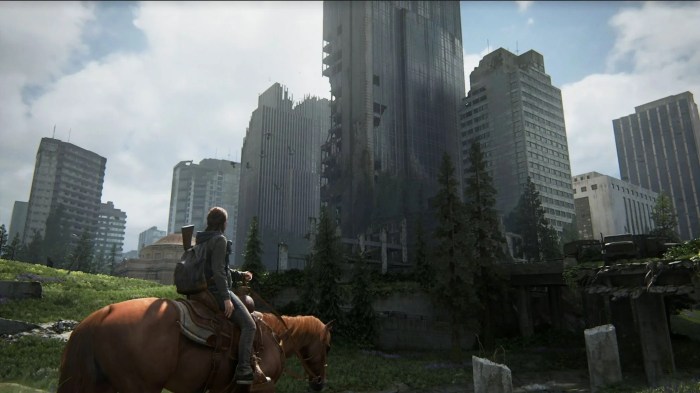
  • The Last of Us Part II (PlayStation)
    -This narrative-driven game has not only captivated players with its story but has also showcased the graphical capabilities of the PS4 and PS5. Its emotional depth and multiplayer modes have set a standard for storytelling in gaming.
  • Halo Infinite (Xbox)
    -As a flagship title for the Xbox series, Halo Infinite combines nostalgia with modern gameplay. Its multiplayer experience is robust, catering to both veteran fans and newcomers alike, helping to reinvigorate the franchise.
  • Bloodborne (PlayStation)
    -This exclusive action RPG has garnered a cult following, praised for its challenging gameplay and atmospheric design. It not only defines the PlayStation experience but also influences game design across platforms.

Integration of Online Features

Traditional console gaming has undergone a transformation, with online features becoming ubiquitous. Gone are the days of playing solo on the couch; the internet has introduced a new dimension to console gaming. Key integrations include:

  • Cross-Play Capabilities
    -Many modern games allow players to compete across different platforms, breaking down the barriers that once divided console players. This inclusivity enhances matchmaking and expands the player base.
  • Season Passes and Battle Pass Systems
    -These monetization strategies keep players engaged over time, offering new content, challenges, and rewards. It’s a way for developers to maintain interest and provide ongoing value.
  • Community Events and Tournaments
    -Multiplayer games are now often accompanied by seasonal events and competitive tournaments, bringing players together for special challenges and rewards. These events create a sense of community and friendly rivalry.

Virtual Reality Gaming

Multiplayer gaming trends

Virtual Reality (VR) gaming is no longer the stuff of sci-fi dreams; it has become a thriving reality with advancements that are altering the landscape of multiplayer gaming. Imagine strapping on a headset and entering a world where your only limits are your imagination and your ability to avoid coffee tables. VR gaming opens up a realm of possibilities for players to engage in experiences that feel incredibly immersive and social, leading to both laughter and the occasional accidental elbow to a friend’s face.Recent technological advancements in VR are reshaping multiplayer gaming dynamics.

Enhanced graphics, improved motion tracking, and wireless capabilities have transformed how players interact. Developers are no longer limited by the confines of traditional gaming setups, allowing for more interactive environments. Multiplayer experiences are evolving to include not just voice chat but also physical gestures and body movements, making us all aware of just how little coordination we may have when dodging imaginary fireballs.

These improvements mean that players can more fully inhabit their avatars, leading to deeper connections and sometimes hilarious miscommunications during gameplay.

Current VR Multiplayer Games and Gameplay Mechanics

The world of VR gaming is bustling with multiplayer titles that have captivated audiences. Below is an analysis of some popular VR multiplayer games and their unique gameplay mechanics, showcasing how they engage players in different ways.

  • Beat Saber: This rhythm-based game requires players to slice through blocks representing musical beats with virtual lightsabers. In multiplayer mode, players can compete for high scores in a dazzling display of lights and rhythm, which often leads to missed beats and friendly rivalry.
  • Rec Room: Think of this as a virtual playground where players can create rooms, play games, and socialize. With a variety of mini-games like paintball and charades, the social interaction is as important as the gameplay, making it a hub of creativity and occasional chaos.
  • Pavlov VR: This game offers a multiplayer shooting experience that feels more like a virtual paintball arena. Players can engage in various modes, from team deathmatch to unique community-created games, highlighting the cooperative and competitive spirit of multiplayer gaming.
  • VRChat: Dubbed the social network of VR, it allows players to create and customize avatars and interact in a multitude of user-generated worlds. The emphasis on socializing often results in unpredictable and hilarious encounters that only VR can deliver.

The gameplay mechanics in these titles often involve physical movement, strategy, and quick reflexes, creating an exhilarating experience that goes beyond button mashing. Players find themselves genuinely invested in their virtual personas, leading to a level of engagement that can make or break friendships—especially when someone keeps stealing your power-ups!In summary, the implications of advancements in VR are monumental for multiplayer gaming, allowing players to interact in ways that feel both real and fantastical.

Whether you’re slicing beats, exploring imaginative worlds, or trying to remember which button makes you jump, the future of multiplayer VR gaming promises to be a rollercoaster of fun, laughter, and priceless moments of virtual magic.

Last Point

In conclusion, multiplayer gaming trends are not just a series of flashy graphics and intense rivalries; they represent a cultural phenomenon that bridges gaps and brings people together, one game at a time. Whether you’re teaming up with friends in the latest console hit or navigating the virtual worlds of VR, these trends reflect our insatiable quest for connection and fun in the digital age.

So, grab your controller (or headset) and dive into the exhilarating world of multiplayer gaming!

Common Queries

What is the significance of cross-platform play?

Cross-platform play allows gamers on different devices to play together, increasing player engagement and broadening the community.

What are some popular multiplayer VR games?

Popular VR multiplayer games include “Beat Saber,” “Rec Room,” and “VRChat,” each offering unique social and gameplay experiences.

How do exclusive titles impact multiplayer gaming?

Exclusive titles can drive console sales and create dedicated player bases, shaping trends by offering unique content that attracts gamers.

Are mobile games part of multiplayer gaming trends?

Absolutely! Mobile games like “Among Us” and “PUBG Mobile” have become massive contributors to the multiplayer gaming landscape.

What are the future trends in multiplayer gaming?

Future trends may include more immersive VR experiences, enhanced AI in multiplayer games, and further integration of social features for community building.

VR gaming trends The Future of Play Awaits

VR gaming trends

VR gaming trends are not just a passing fad; they’re a digital revolution that’s flipping the gaming world on its head faster than a virtual ninja in a VR dojo! Imagine strapping on a headset and being transported into a realm where you can swing lightsabers, battle dragons, or even just hang out with friends on a pixelated beach. With immersive experiences skyrocketing, it’s no wonder VR is taking the center stage in gaming conversations everywhere.

From jaw-dropping advancements in technology to social interaction in multiplayer realms, VR gaming is reshaping how we connect, compete, and collaborate in our digital playgrounds. Get ready to dive into the popular titles that have emerged and see how console gaming is about to get a turbo boost of pizzazz with VR technology that could make even the most stoic gamer crack a smile!

VR Gaming Trends Overview

Virtual reality gaming is not just a trend; it’s a full-blown revolution that’s taking the gaming world by storm! With advancements in technology that make players feel like they’re actually inside the game, the industry is experiencing an exhilarating transformation. Gone are the days when VR was just a futuristic concept; today, it’s as real as that pizza you just ordered while gaming!The current landscape of VR gaming is marked by the rise of immersive experiences, bringing players closer to their virtual worlds than ever before.

With hardware and software rapidly evolving, developers are crafting games that captivate users while pushing the boundaries of what is possible. Noteworthy titles like “Half-Life: Alyx,” “Beat Saber,” and “The Walking Dead: Saints & Sinners” dominate the scene, showcasing the potential of this medium.

Popular VR Games

The VR gaming market has erupted with an array of titles that have captured the hearts (and thumbs) of players worldwide. Here’s a look at some leading examples that are setting the standard for what VR can achieve:

  • Half-Life: Alyx
    -A groundbreaking return of the beloved franchise, this game immerses players in a dystopian world, complete with mind-bending puzzles and intense combat.
  • Beat Saber
    -A rhythm game that combines dance and lightsabers. Swing your way through blocks to the beat of your favorite tunes—it’s like being a Jedi but with a disco twist!
  • The Walking Dead: Saints & Sinners
    -Dive into a zombie apocalypse with this survival horror game that forces you to make tough choices while wielding a plethora of weapons.
  • Population: One
    -A VR battle royale that encourages vertical gameplay, allowing players to climb, fly, and strategize in a dynamic environment.
  • VRChat
    -More than just a game—it’s a social platform where you can meet friends, create experiences, and even attend virtual concerts (pants optional).

Technology Advancements Driving Trends

The surge in VR gaming popularity can largely be attributed to several technological advancements. These innovations are not just making the experience more enjoyable but are also expanding the potential of what games can offer.

Improved Hardware

With lighter and more comfortable headsets, such as the Meta Quest 2 and Valve Index, long gaming sessions are now feasible without straining your neck or your psyche.

Wireless Capabilities

The shift to wireless technology has liberated players from the shackles of cords, allowing for freedom of movement that enhances immersion. Just be careful not to trip over your cat!

Enhanced Graphics and Processing Power

The latest GPUs and VR-ready devices deliver stunning visuals that bring virtual worlds to life. You might start questioning if that tree in your game is real!

Eye Tracking and Hand Tracking

These features allow for more natural interactions within games. Waving hello to your virtual friend is now more realistic than trying to do so with a traditional controller.

AI Integration

The incorporation of AI is creating smarter NPCs and dynamic storytelling, ensuring that no two gaming sessions are the same. Expect the unexpected!In conclusion, VR gaming is on an exhilarating trajectory fueled by innovations that promise to enrich the gaming experience. Gamers can expect not only to play games but to live them in ways that would leave even the most seasoned players awestruck.

So, buckle up, headset on, and get ready for an adventure that’s just as thrilling as it is immersive!

Multiplayer Gaming in VR

Multiplayer gaming in virtual reality is like hosting a wild party in a digital universe where everyone’s invited to join the fun! Imagine donning your VR headset, and instead of just battling against AI foes, you’re taking on friends from around the globe, or even the guy who lives next door but usually avoids you at family BBQs. The significance of multiplayer VR gaming lies in its ability to transform solitary gaming experiences into vibrant social gatherings, adding a new dimension of interaction that traditional gaming just can’t match.The growth of multiplayer VR has led to a plethora of exciting games that have captured the hearts—and thumbs—of gamers everywhere.

These titles have brought together diverse communities, enabling players to engage with each other in ways that are as thrilling as the latest rollercoaster. Some of the most popular multiplayer VR games include:

Key Multiplayer VR Games

These games aren’t just fun; they’re the life of the virtual party! Here are some notable titles:

  • Half + Half: A whimsical playground where players can swim, fly, and engage in goofy minigames, all while showcasing their VR dance moves.
  • Rec Room: An expansive social platform filled with games ranging from paintball to questing, where players can create their own adventure or just hang out in the lounge.
  • VRChat: A social experience that’s like stepping into a digital carnival where you can meet friends, dance, and even explore worlds created by other users.
  • Population: One: A battle royale that combines vertical gameplay with team strategy, where players can build and climb their way to victory.

The impact of multiplayer VR gaming extends beyond just playing games; it nurtures social interactions and fosters a sense of community. Players, who may have never crossed paths in the real world, find common ground in their shared love for virtual adventures. Whether it’s teaming up to defeat a formidable boss, engaging in friendly banter, or simply sharing a laugh over a virtual drink, the social fabric of multiplayer gaming is woven with vibrant threads of human connection.

Community Building Aspects

In multiplayer VR, the virtual world serves as a melting pot of diverse personalities and backgrounds. The interactions in these games often lead to the formation of tight-knit communities. The following elements highlight how multiplayer VR games are crucial in building these communities:

  • Shared Experiences: Participating in epic battles or cooperative missions fosters camaraderie and creates lasting memories.
  • Player Customization: The ability to customize avatars allows players to express individuality while encouraging connections over shared interests.
  • Events and Competitions: Multiplayer games often host in-game events or competitions, bringing players together in pursuit of common goals.
  • Friendship Extensions: Players can connect and communicate outside the game, forming friendships that often last beyond the virtual realm.

“In the realm of VR, you don’t just play; you belong.”

As the industry continues to evolve, multiplayer gaming in VR is shaping up to be the ultimate social playground, reminding us that sometimes, the best adventures are the ones we share with others. So grab your headset, rally your friends, and get ready to dive into a world where the only limit is your imagination (and maybe your internet connection).

Future of Console Games and VR Integration

VR gaming trends

As we venture into the thrilling realm of gaming, the union of console games and virtual reality (VR) technology is stirring excitement and anticipation among gamers worldwide. Gone are the days when consoles simply served as platforms for static gameplay; they’re now evolving into gateways to immersive digital worlds where players can not only observe but actively participate. The integration of VR technology into console gaming marks a significant evolution in how we experience games.

This transition is driven by advancements in hardware, game design, and consumer expectations. Leading manufacturers are exploring ways to enhance gaming experiences, prompting a shift from traditional screen-time to an experience where players can step into the game world.

Upcoming Console Releases Supporting VR Gaming

Several upcoming console releases are set to support VR gaming, signaling a significant leap forward for the industry. These consoles aim to bridge the gap between conventional gaming and immersive experiences. Noteworthy upcoming consoles expected to make waves include:

  • PlayStation 5 VR2: The PS5 continues to lead in the VR space with its next-gen VR headset. Featuring enhanced graphics, more immersive haptic feedback, and a broader library of VR titles, this console aims to redefine player engagement.
  • Xbox Series X Virtual Reality: Although Microsoft has been hesitant on VR, rumors indicate that they are exploring partnerships to integrate VR into their platform, potentially enabling Xbox users to experience VR gaming in the future.
  • Nintendo’s Next Console: While details are sparse, Nintendo has a history of innovating, and fans are speculating about their next console incorporating AR or VR elements, following the success of the Switch.

The significance of these advancements lies in their potential to create fully immersive experiences, merging physical and digital environments like never before.

Comparison of Traditional Console Gaming and VR Experiences

When comparing traditional console gaming with VR experiences, one must consider how each approach engages players. Traditional console gaming typically involves sitting on a couch, controller in hand, with players rooted to a fixed viewpoint. Conversely, VR gaming offers an entirely different dimension of engagement, immersing players in a 360-degree environment.Key differences include:

  • Engagement Levels: VR experiences demand active participation, with players physically moving, ducking, or even jumping, creating a more engaging experience than the passive lean-back style of traditional gaming.
  • Social Interaction: Multiplayer VR games often create a sense of presence among players, allowing them to interact in a shared digital space, whereas traditional gaming can sometimes feel isolating despite online capabilities.
  • Gameplay Variety: The mechanics of VR allow for new gameplay styles. For instance, instead of pressing buttons to swing a sword, players literally act out the movements, making the experience feel more natural and intuitive.

“The future of gaming is not just playing on a screen; it’s about living the game.”

As console developers increasingly incorporate VR technologies, the lines between traditional and immersive gaming will continue to blur, offering exciting possibilities for gamers seeking new experiences.

Final Summary

VR gaming trends

In conclusion, the VR gaming trends are not only transforming how we play, but they’re crafting entire communities and adventures that blur the lines between reality and the virtual world. As technology continues to evolve, and more gamers don their headsets, the possibilities are as vast as the universe of games themselves. So, strap in and get ready, because the future of gaming is not just near; it’s already here, knocking on our virtual doors with a big smile and a controller in hand!

Helpful Answers

What are the latest VR gaming trends?

The latest trends include enhanced multiplayer experiences, integration with console games, and advancements in hardware that make VR more accessible and immersive.

Are VR games suitable for all ages?

Not all VR games are suitable for every age; it’s important to check the ratings and content before jumping in.

How does VR gaming compare to traditional gaming?

VR gaming offers a more immersive experience, making players feel as if they are truly part of the game world, which is a stark contrast to the flat screens of traditional gaming.

Will VR gaming replace traditional gaming?

While VR is growing rapidly, it’s unlikely to completely replace traditional gaming; rather, it will coexist and offer different kinds of experiences.

What are some popular VR games right now?

Popular VR games include Beat Saber, Half-Life: Alyx, and Rec Room, showcasing a mix of action, adventure, and social interaction.

Next-gen gaming Unleashing the Future of Fun

Next-gen gaming

Welcome to the age of Next-gen gaming where pixels have become more brilliant than the sun, and load times are quicker than a caffeinated squirrel! Imagine a world where your gaming experience is so immersive that you might just forget to eat, sleep, or even remember your cat’s name! With 4K and 8K resolutions transforming visuals into breathtaking realities, and SSDs making those pesky loading screens a thing of the past, we’re about to dive into a digital universe where the only limit is your imagination—or your Wi-Fi connection!

Next-gen gaming is not just about pretty graphics; it’s a dazzling tech revolution that’s shaking up how we play and connect with others. Multiplayer gaming is also evolving, with cross-play bridging the gap between platforms, and virtual reality is giving us experiences that feel more real than that awkward family dinner you try to avoid. Buckle up as we explore all these technological marvels that are changing the way we game!

Next-Gen Gaming Features

Next-gen gaming

Next-gen gaming has burst onto the scene like a superhero at a comic-con, bringing with it a dazzling array of technological advancements that redefine how we experience virtual worlds. From jaw-dropping graphics to lightning-fast load times, the future of gaming is here, and it’s more exciting than a double rainbow after a rainstorm.

Technological Advancements in Next-Gen Gaming

Next-gen gaming features are primarily defined by breakthroughs in hardware and software that enhance the overall gaming experience. The move from traditional hard drives to Solid State Drives (SSDs) allows gamers to enjoy near-instantaneous load times, making those dreaded “waiting” moments a thing of the past. With powerful graphics processing units (GPUs), developers can create visually stunning environments that bring game worlds to life like never before.

The introduction of real-time ray tracing further enhances lighting and shadow effects, casting a cinematic feel over every pixel.

Impact of 4K and 8K Resolutions

The resolutions of 4K and 8K are revolutionizing the way gamers perceive detail and clarity in their favorite titles. While 4K, with its 3840 x 2160 pixels, provides four times the detail of standard HD, 8K takes this to a jaw-dropping 7680 x 4320 pixels, offering an unprecedented level of visual fidelity. This increase in resolution allows players to see every blade of grass and raindrop in stunning detail, creating an immersive experience that feels less like gaming and more like stepping into a new reality.

“With 8K, you can practically count the freckles on your character’s face.”

To illustrate the significance of these resolutions, consider the following advantages:

  • Enhanced Visual Clarity: The sheer amount of pixels allows for sharper images and finer details, making environments more believable.
  • Improved Immersion: Higher resolutions create a sense of presence, drawing players deeper into the game world.
  • Future-Proofing: As more displays support 8K, games developed for this resolution will stand the test of time, ensuring long-lasting enjoyment.

Significance of Faster Load Times and SSDs

The significance of faster load times in next-gen consoles cannot be overstated. By adopting SSDs, developers have tackled one of gamers’ biggest irritations: waiting. Imagine loading an expansive open-world game in mere seconds instead of minutes, or switching between games faster than you can say “why don’t I play outside anymore?” This transformation not only enhances user experience but also influences game design, allowing developers to create richer worlds without the worry of lengthy loading screens.

“Fast load times are like espresso for gamers; it’s all about that quick buzz!”

The most impactful aspects of SSDs in next-gen gaming include:

  • Instant Access: Players can jump into games almost instantly, leading to higher engagement levels.
  • Seamless Transitions: In-game transitions are smoother, allowing for more dynamic gameplay without interruptions.
  • Enhanced Game Design: Developers can create larger, more detailed environments that load on-the-fly, making every nook and cranny worth exploring.

Multiplayer Gaming Trends

In the ever-evolving landscape of gaming, multiplayer formats have taken center stage, transforming how players connect, compete, and collaborate. With the advent of technology and connectivity, multiplayer gaming has become not just a pastime but a vibrant social experience. Gamers today are not merely playing against each other; they are building communities and sharing experiences in ways that were unimaginable a few years ago.One of the most exciting trends in multiplayer gaming is the rise of cross-play, which allows players on different platforms to join forces or battle it out in the same digital arena.

This innovation has shattered the traditional barriers between consoles and PCs, creating a more inclusive gaming environment. Developers are now prioritizing cross-play capabilities, understanding that a larger player base enhances engagement and extends the lifespan of their games. As a result, titles like “Fortnite” and “Call of Duty: Warzone” have exploded in popularity, demonstrating that gamers from various backgrounds can unite for a common goal, whether it be saving the world or simply showing off their virtual dance moves.

Evolution of Multiplayer Gaming Strategies

The strategies employed in multiplayer gaming have undergone significant transformation over the past few years. This evolution reflects a deeper understanding of player preferences and the impact of community dynamics. The following points highlight key aspects of this development:

  • Emphasis on Social Interaction: Multiplayer games now serve as social hubs, where chatting, team-building, and community events are integral to the gameplay. Games like “Among Us” have thrived on social deduction mechanics, proving that sometimes the best strategy is to just blame your friends.
  • Incorporation of Live Events: Developers are hosting live in-game events that engage players in real-time, turning the virtual world into a stage. For instance, the sensational Travis Scott concert in “Fortnite” attracted millions, merging gaming with entertainment.
  • Dynamic Content Updates: Continuous updates and seasonal content keep games fresh, encouraging players to return. Titles like “Apex Legends” have mastered this with regular character introductions and game modes that inspire fresh strategies.
  • Customizable Experiences: Players now crave personalization. Multiplayer games are increasingly allowing players to customize their avatars, gear, and even game mechanics, making each experience unique and tailored to individual preferences.
  • Enhanced Competitive Play: Esports have pushed multiplayer games into the spotlight, fostering a culture where skilled players can earn recognition and rewards. Professional leagues for titles like “League of Legends” and “Dota 2” not only captivate audiences but also inspire casual players to refine their skills.

The integration of these strategies showcases a commitment to player engagement and satisfaction, ensuring that multiplayer gaming remains not only a competitive field but also a collaborative community. This evolution has paved the way for experiences that are as diverse as the players themselves, making multiplayer gaming a phenomenon that continues to grow and thrive in the digital age.

Virtual Reality Gaming Developments

Ps5 order launch way

The world of virtual reality (VR) gaming is like stepping through a portal into another dimension where the laws of physics are merely suggestions, and the only limit is your imagination. With the advancements in technology, VR has moved from a niche oddity to a cornerstone of next-gen gaming, offering players experiences that are as immersive as they are exhilarating.

If you’ve ever wanted to fight dragons in your living room or build a cozy cabin on a distant planet, VR is the magical realm where those dreams become a reality—pun absolutely intended!The current state of VR in next-gen gaming is nothing short of jaw-dropping, with major developments in hardware and software that elevate the gaming experience to celestial heights.

Headsets like the Meta Quest Pro and the PlayStation VR2 offer stunning visuals and increased comfort, while titles such as “Half-Life: Alyx” and “Beat Saber” are redefining what it means to be immersed in a game. The appeal lies not just in the visuals but in the interactive elements that allow players to physically move, engage, and truly “be” in the game world.

Imagine dodging laser beams or wielding a virtual sword—these experiences turn passive entertainment into an active adventure, making VR a thrilling playground for gamers of all ages.

Challenges and Opportunities in VR Gaming

While the potential of VR gaming is immense, it is not without its challenges. Understanding these challenges is crucial for developers and players alike.The following are notable challenges that the VR gaming industry faces:

  • High Cost of Entry: Many VR setups require significant investment in hardware, which can be a barrier for new players.
  • Motion Sickness: Some gamers experience discomfort while using VR, leading to a quest for solutions that ensure comfort without sacrificing immersion.
  • Content Creation: Producing high-quality VR content is resource-intensive, and there’s an ongoing need for innovative games that take full advantage of the medium.
  • Space Requirements: Effective VR experiences often require ample physical space to move around, which can be a challenge for players in smaller living areas.

Despite these hurdles, the opportunities in VR gaming are positively electrifying. The following points highlight the bright side of the VR gaming landscape:

  • Growing Market: The demand for VR gaming is skyrocketing, with estimates predicting it could reach a market size of over $44 billion by 2024, according to industry analyses.
  • Advancements in Technology: Innovations in haptic feedback, motion tracking, and even brain-computer interfaces are paving the way for experiences previously thought to be science fiction.
  • Educational and Therapeutic Applications: Beyond gaming, VR is being harnessed for educational tools and therapeutic settings, offering new ways to learn and heal.
  • Community and Social Interaction: VR platforms allow players to connect and collaborate in ways that traditional gaming cannot, creating a sense of community that enhances the gaming experience.

“The only limit to virtual reality is your imagination; the only constraint is your living room.”

As VR continues to evolve, it promises to reshape the gaming universe, blending reality with the impossible and opening doors to adventures that were once confined to the realms of fantasy. So, strap on that headset, and prepare for a gaming experience that’s anything but ordinary!

Closure

As we wrap up our journey through the electrifying world of Next-gen gaming, remember that this isn’t just about new consoles and flashy graphics—it’s about the entire experience! From the thrill of fast-paced multiplayer matches to the mind-blowing depths of virtual reality adventures, the gaming landscape is transforming faster than you can say “I’ll just play one more game.” So, whether you’re an old-school gamer or a newbie, the future is bright, pixelated, and oh-so-exciting—now go forth and conquer those virtual worlds!

FAQ

What platforms support next-gen gaming?

Next-gen gaming is primarily supported on consoles like PlayStation 5 and Xbox Series X, as well as high-end gaming PCs that can handle all those glorious graphics.

Do I need a 4K TV for next-gen gaming?

While a 4K TV enhances the experience, you can still enjoy next-gen gaming on a regular HD screen—just don’t blame us when your eyes start craving those juicy pixels!

What is cross-play and why is it important?

Cross-play allows gamers on different platforms to play together, breaking down barriers and uniting players like the Avengers—except with more snacks and less spandex!

Can VR games cause motion sickness?

They can, yes! But with a little practice and perhaps a ginger ale, most players can enjoy the ride without feeling queasy. Just remember to sit down before you put on that headset!

How do I get started with virtual reality gaming?

Start with a VR headset compatible with your console or PC, pick a few games, and—voilà!—you’re ready to explore worlds where you might forget that gravity is a thing!

Indie adventure games A Journey of Imagination and Fun

Indie

Indie adventure games, where pixels and passion collide, take us on whimsical journeys that dance on the edge of our imagination. These games often serve as the vibrant canvas for artistic storytelling, inviting players to explore unique narratives filled with quirky characters and stunning visuals that could make a rainbow jealous. From their humble beginnings, indie adventures have evolved like a caterpillar into a butterfly, embracing new technologies while staying true to their roots of creativity and innovation.

As we dive deeper, we’ll uncover the artistic styles and captivating narratives that define this genre, explore how multiplayer options transform solitary quests into shared experiences, and examine the latest trends shaping the future of indie games. Whether you’re a lone wolf or a party animal, there’s an indie adventure waiting to whisk you away!

Indie Adventure Games Overview

Indie

Indie adventure games represent a vibrant corner of the gaming universe, where creativity flourishes and the unexpected is the norm. Often crafted by small teams or even solo developers, these games prioritize storytelling and unique gameplay mechanics over blockbuster budgets. With a charm that appeals to both casual gamers and hardcore enthusiasts, indie adventure games invite players to embark on journeys that often challenge the mind and tug at the heartstrings.In terms of artistic styles, indie adventure games are a playground for diverse aesthetics.

From pixel art that harkens back to the golden age of gaming to lush hand-drawn visuals that bring fantastical worlds to life, the art in these games often matches the narrative’s tone—think whimsical for lighthearted tales and darkly surreal for more somber stories. Narrative-wise, these games often explore themes of identity, loss, and existential dilemmas, allowing players to immerse themselves in thought-provoking scenarios that resonate on a personal level.

Artistic Styles and Narratives

The artistic styles and narratives in indie adventure games are as varied as the developers themselves. Here are some prominent characteristics:

  • Visual Novel Aesthetics: Many indie games employ a visual novel format, combining striking character designs with background artwork that tells its own story. This format often facilitates deeper emotional connections between the player and the characters.
  • Pixel Art and Retro Styles: Nostalgia plays a vital role, with many games opting for pixelated graphics reminiscent of 8-bit and 16-bit classics, evoking a sense of retro charm while engaging a modern audience.
  • Hand-Drawn Animation: Titles like
    -Gris* showcase beautifully illustrated environments, where every frame feels like a piece of art, enhancing the narrative with a unique emotional palette.
  • Minimalism: Some games strip away superfluous details to focus on essential elements, allowing players to fill in the gaps with their imagination, as seen in games like
    -Journey*.

Narratively, indie adventure games often delve into complex themes that larger studios may shy away from. Here are some key narrative trends:

  • Character-Driven Stories: These narratives are frequently centered around personal growth and relationships, inviting players to engage with characters on a deeper level, like in
    -Life is Strange*.
  • Exploration of Identity: Many games tackle themes of self-discovery and transformation, urging players to confront their own identities, as seen in titles such as
    -Celeste*.
  • Non-Linear Storytelling: A hallmark of indie games is the ability to make choices that impact the story’s direction, providing a unique experience tailored to each player, akin to
    -Oxenfree*.
  • Surreal and Abstract Narratives: Some titles opt for surreal storytelling, leaving interpretation open to players, creating an atmosphere of intrigue and exploration, as exemplified by
    -The Stanley Parable*.

Evolution of Indie Adventure Games

The evolution of indie adventure games can be traced back to the early 2000s, when digital distribution platforms like Steam and itch.io emerged, making it easier for developers to share their creations with a wider audience. This shift yielded a renaissance of creativity and innovation, allowing unique ideas to flourish. In the early days, indie games often relied on classic gameplay mechanics and simple graphics, but as technology has improved, so has the quality and scope of indie adventure titles.

Below are significant developments in the genre:

  • Rise of Crowdfunding: Platforms like Kickstarter have empowered developers to fund ambitious projects that might have otherwise stayed on the drawing board, resulting in titles like
    -Undertale*.
  • Community Engagement: Indie developers frequently engage with their player base early in the development process, utilizing feedback to refine their games and foster a loyal community, a tactic seen with
    -Hollow Knight*.
  • Diversity in Storytelling: The indie scene has become a voice for underrepresented narratives, showcasing stories from various cultures and perspectives, as highlighted by games like
    -Spiritfarer*.
  • Increased Recognition: The success of indie titles has led to greater recognition within the industry, with games regularly nominated for prestigious awards, demonstrating their impact and cultural significance.

The journey through the world of indie adventure games is one of innovation, humor, and heartfelt storytelling, constantly evolving while remaining rooted in the passion and creativity of their creators.

Multiplayer Gaming in Indie Adventures

In the whimsical world of indie adventure games, multiplayer functionalities serve as a delightful sprinkle of extra magic dust, transforming solitary quests into rollicking escapades with friends. Picture a virtual campfire where you and your pals gather (virtually, of course) to solve puzzles, battle quirky foes, and share hearty laughs over digital marshmallows. Multiplayer modes not only enhance gameplay dynamics but also forge stronger bonds among players, making each adventure a shared memory rather than a solitary stroll through pixelated landscapes.Multiplayer functionalities in indie adventure games have evolved into vibrant canvases of collaboration and competition.

The combination of diverse player skills and creative strategies can lead to unexpected and often hilarious outcomes. While single-player modes allow for introspection and a leisurely pace, multiplayer formats introduce elements of teamwork and spontaneity that can transform a straightforward quest into an epic story filled with unforeseen twists and turns. The chance of a player accidentally triggering a trap while trying to save another can become the stuff of legend—or at least a great story to tell over coffee.

Comparison Between Single-Player and Multiplayer Formats

When weighing the merits of single-player versus multiplayer formats in indie adventure games, it’s essential to consider various aspects that define each experience. Below is a comparison that highlights the key differences:

  • Experience Level: Single-player games allow players to progress at their own pace, ideal for those new to gaming or who enjoy a more narrative-driven experience. Multiplayer games, however, are often fast-paced and driven by collaboration, making them exciting for seasoned players looking for a challenge.
  • Interaction: In single-player modes, the player interacts primarily with the game environment and NPCs. In multiplayer, players engage with each other, leading to dynamic interactions that can change the course of the game.
  • Storytelling: Single-player adventures often focus on deep storytelling and character development. Multiplayer formats tend to prioritize gameplay mechanics, sometimes sacrificing narrative depth for engaging, shared experiences.
  • Replayability: Multiplayer games generally offer higher replay value due to their unpredictable nature and the varying interactions that can occur with different players. Single-player games may have a set narrative arc that, once completed, can feel less compelling to revisit.
  • Social Connection: Multiplayer games foster a sense of community and camaraderie, allowing players to forge friendships and share experiences. Single-player modes can sometimes feel isolating, leading to a more solitary gaming experience.

Popular Indie Adventure Games with Multiplayer Elements

Several indie adventure games have successfully woven multiplayer elements into their fabric, enhancing the overall experience for players. Here’s a list of notable titles that have embraced the multiplayer trend:

  • Don’t Starve Together: This survival adventure game allows players to team up in a hostile world filled with bizarre creatures and challenging environments. The goal is simple: survive together or perish trying, all while enjoying some quirky humor.
  • Stardew Valley: While primarily a farming simulator, this indie gem offers a multiplayer option where players can collaborate to build and manage a thriving farm. Sharing resources and responsibilities leads to a delightful rural experience.
  • Castle Crashers: A beat-’em-up style adventure that supports up to four players, this game combines humor, colorful graphics, and chaotic fun as players embark on a quest to rescue princesses and defeat enemies.
  • Human: Fall Flat: Get ready for hilarious physics-based shenanigans as players navigate obstacles together, often leading to comical outcomes. This game emphasizes cooperation and creativity in problem-solving.
  • Risk of Rain 2: A rogue-like adventure game that ramps up the excitement with multiplayer capabilities, allowing players to tackle waves of enemies together while collecting items and enhancing their characters.

Multiplayer indie adventure games serve as the perfect playground for creativity, laughter, and shared memories, proving that the journey is often more enjoyable with friends by your side.

Gaming Trends and Innovations

As we venture deeper into the pixelated worlds of indie adventure games, it’s clear that these realms are evolving faster than you can say “1UP!” From storytelling that tugs at the heartstrings to innovative technology that pushes the boundaries of gameplay, indie developers are not just keeping up with trends; they are setting them. This dynamic environment has fostered a vibrant gaming community that thrives on creativity, collaboration, and a sprinkle of chaos, much like a well-timed cat meme in a serious discussion.

Current Trends in Indie Adventure Games

The indie adventure scene is bustling with trends that reflect the ever-changing landscape of player preferences and technological advancements. The rise of narrative-driven games emphasizes emotional storytelling, allowing players to engage with characters on a level that rivals a heartfelt Netflix binge. Additionally, retro aesthetics, combined with modern mechanics, are making waves as developers cleverly blend nostalgia with innovation.

  • Emphasis on Storytelling: Games like “Oxenfree” and “Night in the Woods” showcase how narrative can dominate gameplay, creating rich, immersive experiences that resonate with players.
  • Diverse Representation: A growing number of indie games are featuring characters from varied backgrounds, offering players a wide array of relatable experiences that celebrate diversity.
  • Shorter Play Sessions: Indie devs are embracing the attention span of the average gamer with bite-sized adventures that capture the essence of exploration without the need for a 100-hour commitment.
  • Community Engagement: Many indie games are developed with community input, whether through early access or feedback-driven design, fostering a sense of ownership among players.

Impact of Virtual Reality on Indie Adventure Gaming

Virtual reality (VR) is not just a flashy gimmick; it’s reshaping how we interact with games entirely. Indie developers are jumping aboard this digital loco-motion train, creating experiences that can transport players to new dimensions. The ability to physically explore worlds offers a level of immersion that traditional gaming simply cannot match. For example, “The Walking Dead: Saints & Sinners” puts players in the midst of a zombie apocalypse, where decisions matter more than ever—because nothing says “life or death” like a VR headshot!

“VR isn’t just about graphics; it’s about making you feel like you’re truly there—like when you trip over your own feet in a virtual world!”

  • Innovative Gameplay Mechanics: VR allows for unique controls and interactions, such as manipulating objects with your hands or navigating environments through your body.
  • Enhanced Immersion: The 360-degree perspective in VR creates a heightened sense of presence, making players feel as if they are truly part of the adventure.
  • Exploration and Discovery: Games can leverage the physical space around the player, encouraging them to explore their actual environment in search of in-game treasures.

Optimization for Various Platforms

Indie game developers are masters of platform optimization, ensuring that their enchanting worlds can be accessed on a myriad of devices. The versatility in design not only broadens their audience but also enhances gameplay experiences tailored to various platforms. From mobile devices to consoles, indie adventures are now a click away, even during your daily commute or while pretending to work.

  • Cross-Platform Play: Many developers are enabling cross-play features, allowing friends to embark on adventures together, regardless of their chosen device.
  • Accessible Controls: Indie games are frequently designed with intuitive controls that cater to both seasoned gamers and newcomers, ensuring everyone can join the fun.
  • Performance Optimization: Developers are refining graphics and performance to match the capabilities of different platforms, resulting in smooth gameplay on even the most modest systems.
  • Cloud Gaming: The rise of cloud gaming services is allowing indie titles to reach players without the need for high-end hardware, democratizing access to innovative experiences.

Wrap-Up

Indie adventure games

In summary, indie adventure games are not just a genre; they’re an invitation to explore uncharted territories of creativity and camaraderie. From the breathtaking art styles to the exhilarating multiplayer engagements, these games remind us that there’s always a new adventure just around the corner. So grab your controller, rally your friends, and prepare to embark on a journey that celebrates imagination, innovation, and a bit of good old-fashioned fun!

General Inquiries

What makes indie adventure games unique?

Indie adventure games stand out due to their creative storytelling, unique art styles, and the freedom of developers to explore unconventional ideas, often leading to innovative gameplay experiences.

Are all indie adventure games single-player?

Nope! While many are single-player, an increasing number incorporate multiplayer elements, allowing friends to embark on adventures together.

How do indie adventure games evolve over time?

They evolve by incorporating new technologies, responding to player feedback, and experimenting with narrative and gameplay mechanics, which keeps the genre fresh and exciting.

Can you play indie adventure games on different platforms?

Absolutely! Many indie adventure games are designed for multiple platforms, including PC, consoles, and even mobile devices, making them widely accessible.

How do I find the best indie adventure games?

Check out gaming communities, review sites, and platforms like Steam or itch.io, where you can discover hidden gems and popular titles alike!

Console adventure games a journey of thrills and skills

Console adventure games

Welcome to the whimsical world of Console adventure games, where pixelated heroes leap into action and puzzles lurk around every corner! In this magical realm, players embark on epic quests, armed with nothing but their wits and a joypad, while encountering everything from menacing dragons to puzzling riddles and maybe even a few pesky mushrooms.

Over the years, the genre has evolved from simple text-based escapades to rich, immersive worlds brimming with unique storylines and jaw-dropping graphics. So, grab your controllers and prepare for a thrilling ride through the history, mechanics, and multiplayer madness that define these unforgettable gaming adventures!

Console Adventure Games

The realm of console adventure games is a whimsical journey through pixelated landscapes and mind-bending puzzles, ushering players into fantastical realms where the only limit is their imagination—and occasionally their sanity. These captivating experiences have evolved from humble beginnings, transforming the way we engage with interactive storytelling while ensuring that at least a few controllers went flying in frustration.The birth of console adventure games can be traced back to the late 1970s and early 1980s with titles like “Colossal Cave Adventure,” an early text-based game that had players parsing through command prompts like a linguistic archaeologist.

The genre took off with graphical representations in the mid-80s, leading to the iconic “The Legend of Zelda” in 1986, which blended action and exploration in a way that left players hooked like fish in a digital sea.

History and Evolution of Console Adventure Games

The history of console adventure games is as rich and intricate as a treasure map dotted with traps and secrets. The genre has undergone significant transformations, influenced by technological advancements and changing player expectations.

  • Early Beginnings: Text-based adventures paved the way, where players needed a thesaurus to decipher their next move. Titles like “Zork” emerged, captivating imaginations with nothing but words.
  • Graphical Revolution: With the advent of 8-bit graphics, adventures became visually rich. “The Legend of Zelda” introduced an open-world concept that felt revolutionary, making players feel like they were exploring a vast universe rather than just a linear path.
  • 3D Exploration: The leap to 3D in the late 90s brought titles like “Tomb Raider,” allowing players to navigate complex environments with a sense of freedom previously unseen. Lara Croft became a household name, shattering glass ceilings and many a baddie along the way.
  • Modern Innovations: Today’s console adventures often blend genres, integrating RPG elements and even multiplayer features. Games like “The Witcher 3” invite players to explore vast narratives with branching storylines, making decisions that weigh heavily on the fate of their digital realms.

Popular Console Adventure Games and Their Unique Features

In the diverse world of console adventure games, a selection stands out for their unique features and storytelling brilliance. These games have not only entertained but have also influenced the genre’s direction.

  • Monkey Island Series: Known for its sharp wit and pun-filled dialogue, this series turned swashbuckling into a comedic art form. Who knew pirates could be this funny?
  • Grim Fandango: This title combined film noir with Mexican folklore, cleverly aiming to redefine the adventure genre. It’s like sipping tequila while solving a murder mystery at the same time—beware of hangovers though!
  • Life is Strange: A modern masterpiece that tackles heavy themes like time travel and personal choice, it proves that not all adventures require swords and sorcery—some just need a good ol’ dose of teenage drama.
  • The Last of Us: This game redefined storytelling in the adventure genre, where every decision can lead to heart-wrenching consequences, demonstrating that post-apocalyptic worlds can be as emotionally charged as they are action-packed.

Gameplay Mechanics Defining the Adventure Genre on Consoles

The gameplay mechanics of console adventure games are as varied as the creatures you might encounter on your journey, each contributing to the immersive experience that defines the genre.

  • Exploration: Core to every adventure, players navigate richly designed environments that often hide secrets waiting to be discovered like a cat in a box—mysterious and occasionally temperamental.
  • Puzzles: Clever challenges test a player’s wit, ranging from cryptic riddles to logic puzzles that can leave you scratching your head. They often require the kind of lateral thinking that would make a mathematician weep.
  • Inventory Management: Players collect items that can be combined or utilized to advance through the story. It’s like a digital scavenger hunt with a twist, where your backpack might be more crowded than a subway during rush hour.
  • Dialogue Trees: Choices affect the narrative flow and character relationships, adding depth to interactions. It becomes a game of verbal chess—strategic moves can lead to either alliances or total chaos.

“Adventure games are the chocolate cake of the gaming world—rich, fulfilling, and occasionally leaving you with a sugar rush that makes you question your life choices.”

Multiplayer Gaming in Console Adventure Games

Multiplayer features in console adventure games have transformed the landscape of gaming, turning solo escapades into social quests filled with laughter, chaos, and the occasional friendly betrayal. While single-player narratives whisk us away into fantastical realms alone, multiplayer formats throw in the delightful chaos of friends (or frenemies), doubling the fun and the potential for random mishaps.The incorporation of multiplayer options breathes fresh life into adventure games, allowing players to strategize together, tackle challenges, or even engage in lighthearted competition.

This dynamic interaction not only enhances gameplay but cultivates a sense of shared experience that can turn a simple gaming session into a legendary tale. Multiplayer modes foster camaraderie, where players can work together to conquer dungeons or compete for the most stylish dragon-slaying moves.

Impact of Multiplayer Features in Adventure Games

Multiplayer features have a profound effect on the overall experience of console adventure games. They allow for richer storytelling and more complex interactions, leading to a variety of gameplay styles. Here are some key impacts:

  • Increased Engagement:

    Players are more likely to stay engaged when they can share the experience with others, leading to longer play sessions and a more vibrant gaming community.

  • Enhanced Problem Solving:

    Collaboration fosters creative solutions to challenges, as players bring different skills and perspectives to the table.

  • Competitive Spirit:

    Friendly competition adds excitement, with players pushing each other to achieve goals and outperform one another in creative ways.

Best Multiplayer Adventure Games Available on Consoles

The current gaming landscape boasts a plethora of multiplayer adventure titles that have captured the hearts of players. These games offer unique experiences that cater to various play styles, ensuring there’s something for everyone. Here’s a selection of some of the best multiplayer adventure games:

  • Sea of Thieves:

    Set sail on the high seas with friends, battling skeletons, hunting for treasure, and occasionally mutinying against each other for the loot!

  • Overcooked! All You Can Eat:

    Team up to create culinary masterpieces under extreme pressure, where teamwork is vital and kitchen chaos reigns supreme.

  • It Takes Two:

    This uniquely designed game requires two players to work together through a whimsical world, emphasizing cooperation over competition.

  • Monster Hunter: World:

    Join forces with friends to hunt down gargantuan beasts, crafting armaments from their remains and transforming into a terrifyingly skilled hunter.

Cooperative and Competitive Multiplayer Experiences

Multiplayer experiences can be categorized into cooperative and competitive styles, each offering distinct advantages and unique gameplay elements. Understanding these can enhance player enjoyment and strategy.

  • Cooperative Multiplayer:

    Games like “It Takes Two” demand teamwork, where players must coordinate actions to progress. Communication is key, leading to memorable moments and shared victories.

  • Competitive Multiplayer:

    Titles such as “Super Smash Bros. Ultimate” allow players to face off against each other in friendly (or not-so-friendly) rivalry, bringing out the competitive spirit and providing endless fun.

  • Hybrid Experiences:

    Some games combine both elements, allowing players to work together while also competing for resources or achievements, creating a dynamic balance of collaboration and competition.

Gaming Trends and Innovations

Console adventure games

The world of console adventure games is on a thrilling roller coaster of innovation, with trends that resemble the wildest plot twists. As players dive into immersive realms, they find themselves at the forefront of a technological renaissance that kicks realism into high gear and leaves traditional gaming in the dust. This section explores the latest trends and anticipates where the pixelated path will lead us next, while also shining a spotlight on the adventures that await in virtual reality.

Latest Trends in Console Adventure Games

In recent years, console adventure games have evolved in exciting ways, ushering in trends that redefine player experiences. Some key trends include:

  • Open-World Exploration: Games like “Breath of the Wild” and “Horizon Zero Dawn” have shown players that the sky’s the limit. These expansive worlds encourage exploration and creativity, allowing gamers to carve their own paths, often with hilarious consequences—like a hero accidentally climbing a tree and getting chased by a particularly angry goat.
  • Story-Driven Content: Titles such as “The Last of Us Part II” have set the bar high for narrative depth, intertwining storytelling with emotional engagement that can leave players sobbing into their controllers.
  • Cross-Platform Play: The walls of console exclusivity are tumbling down, with games supporting cross-platform multiplayer features, allowing friends to unite regardless of their gaming throne of choice—be it PlayStation, Xbox, or PC.
  • Enhanced Customization: Players now enjoy more customization options than ever before, from their character’s appearance to their in-game abilities. The ability to create a character that resembles an avocado in a superhero cape? Yes, please!

Integration of VR Technology in Console Adventure Gaming

Virtual reality (VR) technology has transformed console adventure gaming into a mind-bending experience, where players don headsets and step into worlds that feel as real as their living rooms (minus the snack wrappers, of course). The integration of VR is a game changer, enabling players to interact with their environments in unprecedented ways.

The benefits of VR in console adventure include:

  • Immersive Gameplay: Players can physically navigate through vast realms, solve puzzles by moving their bodies, and even engage in hand-to-hand combat with foes that seem to leap out of the screen.
  • Enhanced Social Interaction: Multiplayer VR experiences allow friends to explore together, even if they’re continents apart. Imagine fighting dragons side by side while virtually high-fiving your buddy who just scored a critical hit!
  • Innovative Storytelling: Developers are crafting narratives that leverage the immersive nature of VR, creating situations where choices are made with a wave of a hand or a twist of the head, making every decision feel like a life-or-death scenario (or at least life-or-game-over).

Comparison of Gaming Platforms for Adventure Games

The landscape of gaming platforms offers a smorgasbord of choices for adventure game enthusiasts. Below is a comparative table that highlights the offerings of various consoles, showcasing their strengths and features that adventure gamers should keep in mind:

Platform Exclusive Titles VR Compatibility Online Multiplayer Features Notable Adventure Games
PlayStation 5 Ratchet & Clank: Rift Apart Yes PlayStation Plus Ghost of Tsushima
XBOX Series X Halo Infinite Limited XBOX Live Gold State of Decay 2
Nintendo Switch The Legend of Zelda: Breath of the Wild No Online Subscription Animal Crossing: New Horizons
PC Variety of titles Yes Steam & Others The Witcher 3

As players explore this diverse gaming cosmos, each platform offers unique adventures that cater to different tastes and preferences. Whether you’re a hero saving the world or a rogue escaping from sticky situations, the evolution of console adventure games continues to provide endless opportunities for escapism and laughter.

Closure

Console adventure games

As we bid farewell to this exploration of Console adventure games, remember that every quest is packed with surprises, whether it’s a breathtaking storyline or epic multiplayer shenanigans. So keep your controllers close and your spirits high, because in the world of adventure, there’s always a new mystery waiting to be unraveled!

General Inquiries

What defines an adventure game on consoles?

Adventure games on consoles are characterized by exploration, puzzle-solving, and narrative-driven gameplay that immerses players in captivating stories.

Are there any classic console adventure games?

Absolutely! Classics like “The Legend of Zelda” and “Monkey Island” paved the way for the genre, offering unforgettable adventures.

Can you play adventure games solo?

Yes! While many adventure games feature multiplayer options, they can be enjoyed solo for a more personal experience.

What’s the role of storytelling in adventure games?

Storytelling is the heart of adventure games, drawing players into intricate plots and emotional journeys that keep them engaged.

Will VR change console adventure gaming?

Definitely! VR technology is poised to revolutionize console adventure games by creating immersive environments that make players feel like they’re really in the game.