Welcome to the whimsical world of Console adventure games, where pixelated heroes leap into action and puzzles lurk around every corner! In this magical realm, players embark on epic quests, armed with nothing but their wits and a joypad, while encountering everything from menacing dragons to puzzling riddles and maybe even a few pesky mushrooms.
Over the years, the genre has evolved from simple text-based escapades to rich, immersive worlds brimming with unique storylines and jaw-dropping graphics. So, grab your controllers and prepare for a thrilling ride through the history, mechanics, and multiplayer madness that define these unforgettable gaming adventures!
Console Adventure Games
The realm of console adventure games is a whimsical journey through pixelated landscapes and mind-bending puzzles, ushering players into fantastical realms where the only limit is their imagination—and occasionally their sanity. These captivating experiences have evolved from humble beginnings, transforming the way we engage with interactive storytelling while ensuring that at least a few controllers went flying in frustration.The birth of console adventure games can be traced back to the late 1970s and early 1980s with titles like “Colossal Cave Adventure,” an early text-based game that had players parsing through command prompts like a linguistic archaeologist.
The genre took off with graphical representations in the mid-80s, leading to the iconic “The Legend of Zelda” in 1986, which blended action and exploration in a way that left players hooked like fish in a digital sea.
History and Evolution of Console Adventure Games
The history of console adventure games is as rich and intricate as a treasure map dotted with traps and secrets. The genre has undergone significant transformations, influenced by technological advancements and changing player expectations.
- Early Beginnings: Text-based adventures paved the way, where players needed a thesaurus to decipher their next move. Titles like “Zork” emerged, captivating imaginations with nothing but words.
- Graphical Revolution: With the advent of 8-bit graphics, adventures became visually rich. “The Legend of Zelda” introduced an open-world concept that felt revolutionary, making players feel like they were exploring a vast universe rather than just a linear path.
- 3D Exploration: The leap to 3D in the late 90s brought titles like “Tomb Raider,” allowing players to navigate complex environments with a sense of freedom previously unseen. Lara Croft became a household name, shattering glass ceilings and many a baddie along the way.
- Modern Innovations: Today’s console adventures often blend genres, integrating RPG elements and even multiplayer features. Games like “The Witcher 3” invite players to explore vast narratives with branching storylines, making decisions that weigh heavily on the fate of their digital realms.
Popular Console Adventure Games and Their Unique Features
In the diverse world of console adventure games, a selection stands out for their unique features and storytelling brilliance. These games have not only entertained but have also influenced the genre’s direction.
- Monkey Island Series: Known for its sharp wit and pun-filled dialogue, this series turned swashbuckling into a comedic art form. Who knew pirates could be this funny?
- Grim Fandango: This title combined film noir with Mexican folklore, cleverly aiming to redefine the adventure genre. It’s like sipping tequila while solving a murder mystery at the same time—beware of hangovers though!
- Life is Strange: A modern masterpiece that tackles heavy themes like time travel and personal choice, it proves that not all adventures require swords and sorcery—some just need a good ol’ dose of teenage drama.
- The Last of Us: This game redefined storytelling in the adventure genre, where every decision can lead to heart-wrenching consequences, demonstrating that post-apocalyptic worlds can be as emotionally charged as they are action-packed.
Gameplay Mechanics Defining the Adventure Genre on Consoles
The gameplay mechanics of console adventure games are as varied as the creatures you might encounter on your journey, each contributing to the immersive experience that defines the genre.
- Exploration: Core to every adventure, players navigate richly designed environments that often hide secrets waiting to be discovered like a cat in a box—mysterious and occasionally temperamental.
- Puzzles: Clever challenges test a player’s wit, ranging from cryptic riddles to logic puzzles that can leave you scratching your head. They often require the kind of lateral thinking that would make a mathematician weep.
- Inventory Management: Players collect items that can be combined or utilized to advance through the story. It’s like a digital scavenger hunt with a twist, where your backpack might be more crowded than a subway during rush hour.
- Dialogue Trees: Choices affect the narrative flow and character relationships, adding depth to interactions. It becomes a game of verbal chess—strategic moves can lead to either alliances or total chaos.
“Adventure games are the chocolate cake of the gaming world—rich, fulfilling, and occasionally leaving you with a sugar rush that makes you question your life choices.”
Multiplayer Gaming in Console Adventure Games
Multiplayer features in console adventure games have transformed the landscape of gaming, turning solo escapades into social quests filled with laughter, chaos, and the occasional friendly betrayal. While single-player narratives whisk us away into fantastical realms alone, multiplayer formats throw in the delightful chaos of friends (or frenemies), doubling the fun and the potential for random mishaps.The incorporation of multiplayer options breathes fresh life into adventure games, allowing players to strategize together, tackle challenges, or even engage in lighthearted competition.
This dynamic interaction not only enhances gameplay but cultivates a sense of shared experience that can turn a simple gaming session into a legendary tale. Multiplayer modes foster camaraderie, where players can work together to conquer dungeons or compete for the most stylish dragon-slaying moves.
Impact of Multiplayer Features in Adventure Games
Multiplayer features have a profound effect on the overall experience of console adventure games. They allow for richer storytelling and more complex interactions, leading to a variety of gameplay styles. Here are some key impacts:
-
Increased Engagement:
Players are more likely to stay engaged when they can share the experience with others, leading to longer play sessions and a more vibrant gaming community.
-
Enhanced Problem Solving:
Collaboration fosters creative solutions to challenges, as players bring different skills and perspectives to the table.
-
Competitive Spirit:
Friendly competition adds excitement, with players pushing each other to achieve goals and outperform one another in creative ways.
Best Multiplayer Adventure Games Available on Consoles
The current gaming landscape boasts a plethora of multiplayer adventure titles that have captured the hearts of players. These games offer unique experiences that cater to various play styles, ensuring there’s something for everyone. Here’s a selection of some of the best multiplayer adventure games:
-
Sea of Thieves:
Set sail on the high seas with friends, battling skeletons, hunting for treasure, and occasionally mutinying against each other for the loot!
-
Overcooked! All You Can Eat:
Team up to create culinary masterpieces under extreme pressure, where teamwork is vital and kitchen chaos reigns supreme.
-
It Takes Two:
This uniquely designed game requires two players to work together through a whimsical world, emphasizing cooperation over competition.
-
Monster Hunter: World:
Join forces with friends to hunt down gargantuan beasts, crafting armaments from their remains and transforming into a terrifyingly skilled hunter.
Cooperative and Competitive Multiplayer Experiences
Multiplayer experiences can be categorized into cooperative and competitive styles, each offering distinct advantages and unique gameplay elements. Understanding these can enhance player enjoyment and strategy.
-
Cooperative Multiplayer:
Games like “It Takes Two” demand teamwork, where players must coordinate actions to progress. Communication is key, leading to memorable moments and shared victories.
-
Competitive Multiplayer:
Titles such as “Super Smash Bros. Ultimate” allow players to face off against each other in friendly (or not-so-friendly) rivalry, bringing out the competitive spirit and providing endless fun.
-
Hybrid Experiences:
Some games combine both elements, allowing players to work together while also competing for resources or achievements, creating a dynamic balance of collaboration and competition.
Gaming Trends and Innovations
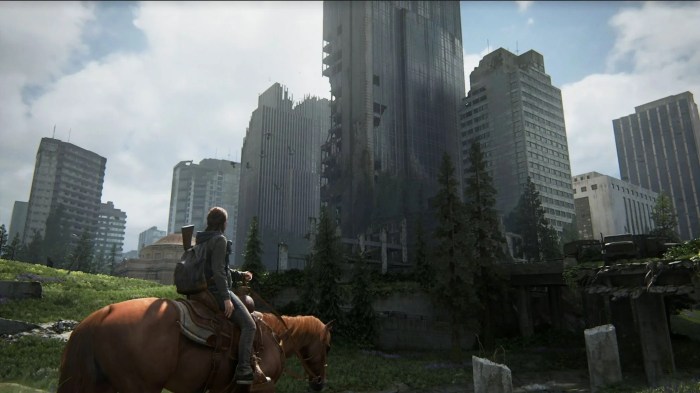
The world of console adventure games is on a thrilling roller coaster of innovation, with trends that resemble the wildest plot twists. As players dive into immersive realms, they find themselves at the forefront of a technological renaissance that kicks realism into high gear and leaves traditional gaming in the dust. This section explores the latest trends and anticipates where the pixelated path will lead us next, while also shining a spotlight on the adventures that await in virtual reality.
Latest Trends in Console Adventure Games
In recent years, console adventure games have evolved in exciting ways, ushering in trends that redefine player experiences. Some key trends include:
- Open-World Exploration: Games like “Breath of the Wild” and “Horizon Zero Dawn” have shown players that the sky’s the limit. These expansive worlds encourage exploration and creativity, allowing gamers to carve their own paths, often with hilarious consequences—like a hero accidentally climbing a tree and getting chased by a particularly angry goat.
- Story-Driven Content: Titles such as “The Last of Us Part II” have set the bar high for narrative depth, intertwining storytelling with emotional engagement that can leave players sobbing into their controllers.
- Cross-Platform Play: The walls of console exclusivity are tumbling down, with games supporting cross-platform multiplayer features, allowing friends to unite regardless of their gaming throne of choice—be it PlayStation, Xbox, or PC.
- Enhanced Customization: Players now enjoy more customization options than ever before, from their character’s appearance to their in-game abilities. The ability to create a character that resembles an avocado in a superhero cape? Yes, please!
Integration of VR Technology in Console Adventure Gaming
Virtual reality (VR) technology has transformed console adventure gaming into a mind-bending experience, where players don headsets and step into worlds that feel as real as their living rooms (minus the snack wrappers, of course). The integration of VR is a game changer, enabling players to interact with their environments in unprecedented ways.
The benefits of VR in console adventure include:
- Immersive Gameplay: Players can physically navigate through vast realms, solve puzzles by moving their bodies, and even engage in hand-to-hand combat with foes that seem to leap out of the screen.
- Enhanced Social Interaction: Multiplayer VR experiences allow friends to explore together, even if they’re continents apart. Imagine fighting dragons side by side while virtually high-fiving your buddy who just scored a critical hit!
- Innovative Storytelling: Developers are crafting narratives that leverage the immersive nature of VR, creating situations where choices are made with a wave of a hand or a twist of the head, making every decision feel like a life-or-death scenario (or at least life-or-game-over).
Comparison of Gaming Platforms for Adventure Games
The landscape of gaming platforms offers a smorgasbord of choices for adventure game enthusiasts. Below is a comparative table that highlights the offerings of various consoles, showcasing their strengths and features that adventure gamers should keep in mind:
| Platform | Exclusive Titles | VR Compatibility | Online Multiplayer Features | Notable Adventure Games |
|---|---|---|---|---|
| PlayStation 5 | Ratchet & Clank: Rift Apart | Yes | PlayStation Plus | Ghost of Tsushima |
| XBOX Series X | Halo Infinite | Limited | XBOX Live Gold | State of Decay 2 |
| Nintendo Switch | The Legend of Zelda: Breath of the Wild | No | Online Subscription | Animal Crossing: New Horizons |
| PC | Variety of titles | Yes | Steam & Others | The Witcher 3 |
As players explore this diverse gaming cosmos, each platform offers unique adventures that cater to different tastes and preferences. Whether you’re a hero saving the world or a rogue escaping from sticky situations, the evolution of console adventure games continues to provide endless opportunities for escapism and laughter.
Closure

As we bid farewell to this exploration of Console adventure games, remember that every quest is packed with surprises, whether it’s a breathtaking storyline or epic multiplayer shenanigans. So keep your controllers close and your spirits high, because in the world of adventure, there’s always a new mystery waiting to be unraveled!
General Inquiries
What defines an adventure game on consoles?
Adventure games on consoles are characterized by exploration, puzzle-solving, and narrative-driven gameplay that immerses players in captivating stories.
Are there any classic console adventure games?
Absolutely! Classics like “The Legend of Zelda” and “Monkey Island” paved the way for the genre, offering unforgettable adventures.
Can you play adventure games solo?
Yes! While many adventure games feature multiplayer options, they can be enjoyed solo for a more personal experience.
What’s the role of storytelling in adventure games?
Storytelling is the heart of adventure games, drawing players into intricate plots and emotional journeys that keep them engaged.
Will VR change console adventure gaming?
Definitely! VR technology is poised to revolutionize console adventure games by creating immersive environments that make players feel like they’re really in the game.