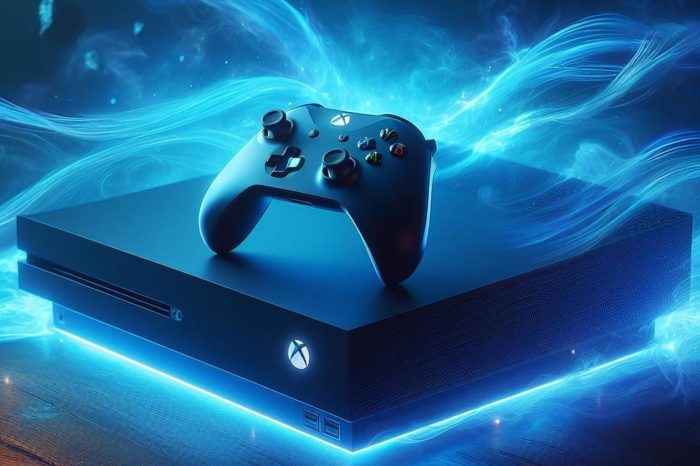
Welcome to the age of Next-gen gaming where pixels have become more brilliant than the sun, and load times are quicker than a caffeinated squirrel! Imagine a world where your gaming experience is so immersive that you might just forget to eat, sleep, or even remember your cat’s name! With 4K and 8K resolutions transforming visuals into breathtaking realities, and SSDs making those pesky loading screens a thing of the past, we’re about to dive into a digital universe where the only limit is your imagination—or your Wi-Fi connection!
Next-gen gaming is not just about pretty graphics; it’s a dazzling tech revolution that’s shaking up how we play and connect with others. Multiplayer gaming is also evolving, with cross-play bridging the gap between platforms, and virtual reality is giving us experiences that feel more real than that awkward family dinner you try to avoid. Buckle up as we explore all these technological marvels that are changing the way we game!
Next-Gen Gaming Features
Next-gen gaming has burst onto the scene like a superhero at a comic-con, bringing with it a dazzling array of technological advancements that redefine how we experience virtual worlds. From jaw-dropping graphics to lightning-fast load times, the future of gaming is here, and it’s more exciting than a double rainbow after a rainstorm.
Technological Advancements in Next-Gen Gaming
Next-gen gaming features are primarily defined by breakthroughs in hardware and software that enhance the overall gaming experience. The move from traditional hard drives to Solid State Drives (SSDs) allows gamers to enjoy near-instantaneous load times, making those dreaded “waiting” moments a thing of the past. With powerful graphics processing units (GPUs), developers can create visually stunning environments that bring game worlds to life like never before.
The introduction of real-time ray tracing further enhances lighting and shadow effects, casting a cinematic feel over every pixel.
Impact of 4K and 8K Resolutions
The resolutions of 4K and 8K are revolutionizing the way gamers perceive detail and clarity in their favorite titles. While 4K, with its 3840 x 2160 pixels, provides four times the detail of standard HD, 8K takes this to a jaw-dropping 7680 x 4320 pixels, offering an unprecedented level of visual fidelity. This increase in resolution allows players to see every blade of grass and raindrop in stunning detail, creating an immersive experience that feels less like gaming and more like stepping into a new reality.
“With 8K, you can practically count the freckles on your character’s face.”
To illustrate the significance of these resolutions, consider the following advantages:
- Enhanced Visual Clarity: The sheer amount of pixels allows for sharper images and finer details, making environments more believable.
- Improved Immersion: Higher resolutions create a sense of presence, drawing players deeper into the game world.
- Future-Proofing: As more displays support 8K, games developed for this resolution will stand the test of time, ensuring long-lasting enjoyment.
Significance of Faster Load Times and SSDs
The significance of faster load times in next-gen consoles cannot be overstated. By adopting SSDs, developers have tackled one of gamers’ biggest irritations: waiting. Imagine loading an expansive open-world game in mere seconds instead of minutes, or switching between games faster than you can say “why don’t I play outside anymore?” This transformation not only enhances user experience but also influences game design, allowing developers to create richer worlds without the worry of lengthy loading screens.
“Fast load times are like espresso for gamers; it’s all about that quick buzz!”
The most impactful aspects of SSDs in next-gen gaming include:
- Instant Access: Players can jump into games almost instantly, leading to higher engagement levels.
- Seamless Transitions: In-game transitions are smoother, allowing for more dynamic gameplay without interruptions.
- Enhanced Game Design: Developers can create larger, more detailed environments that load on-the-fly, making every nook and cranny worth exploring.
Multiplayer Gaming Trends
In the ever-evolving landscape of gaming, multiplayer formats have taken center stage, transforming how players connect, compete, and collaborate. With the advent of technology and connectivity, multiplayer gaming has become not just a pastime but a vibrant social experience. Gamers today are not merely playing against each other; they are building communities and sharing experiences in ways that were unimaginable a few years ago.One of the most exciting trends in multiplayer gaming is the rise of cross-play, which allows players on different platforms to join forces or battle it out in the same digital arena.
This innovation has shattered the traditional barriers between consoles and PCs, creating a more inclusive gaming environment. Developers are now prioritizing cross-play capabilities, understanding that a larger player base enhances engagement and extends the lifespan of their games. As a result, titles like “Fortnite” and “Call of Duty: Warzone” have exploded in popularity, demonstrating that gamers from various backgrounds can unite for a common goal, whether it be saving the world or simply showing off their virtual dance moves.
Evolution of Multiplayer Gaming Strategies
The strategies employed in multiplayer gaming have undergone significant transformation over the past few years. This evolution reflects a deeper understanding of player preferences and the impact of community dynamics. The following points highlight key aspects of this development:
- Emphasis on Social Interaction: Multiplayer games now serve as social hubs, where chatting, team-building, and community events are integral to the gameplay. Games like “Among Us” have thrived on social deduction mechanics, proving that sometimes the best strategy is to just blame your friends.
- Incorporation of Live Events: Developers are hosting live in-game events that engage players in real-time, turning the virtual world into a stage. For instance, the sensational Travis Scott concert in “Fortnite” attracted millions, merging gaming with entertainment.
- Dynamic Content Updates: Continuous updates and seasonal content keep games fresh, encouraging players to return. Titles like “Apex Legends” have mastered this with regular character introductions and game modes that inspire fresh strategies.
- Customizable Experiences: Players now crave personalization. Multiplayer games are increasingly allowing players to customize their avatars, gear, and even game mechanics, making each experience unique and tailored to individual preferences.
- Enhanced Competitive Play: Esports have pushed multiplayer games into the spotlight, fostering a culture where skilled players can earn recognition and rewards. Professional leagues for titles like “League of Legends” and “Dota 2” not only captivate audiences but also inspire casual players to refine their skills.
The integration of these strategies showcases a commitment to player engagement and satisfaction, ensuring that multiplayer gaming remains not only a competitive field but also a collaborative community. This evolution has paved the way for experiences that are as diverse as the players themselves, making multiplayer gaming a phenomenon that continues to grow and thrive in the digital age.
Virtual Reality Gaming Developments
The world of virtual reality (VR) gaming is like stepping through a portal into another dimension where the laws of physics are merely suggestions, and the only limit is your imagination. With the advancements in technology, VR has moved from a niche oddity to a cornerstone of next-gen gaming, offering players experiences that are as immersive as they are exhilarating.
If you’ve ever wanted to fight dragons in your living room or build a cozy cabin on a distant planet, VR is the magical realm where those dreams become a reality—pun absolutely intended!The current state of VR in next-gen gaming is nothing short of jaw-dropping, with major developments in hardware and software that elevate the gaming experience to celestial heights.
Headsets like the Meta Quest Pro and the PlayStation VR2 offer stunning visuals and increased comfort, while titles such as “Half-Life: Alyx” and “Beat Saber” are redefining what it means to be immersed in a game. The appeal lies not just in the visuals but in the interactive elements that allow players to physically move, engage, and truly “be” in the game world.
Imagine dodging laser beams or wielding a virtual sword—these experiences turn passive entertainment into an active adventure, making VR a thrilling playground for gamers of all ages.
Challenges and Opportunities in VR Gaming
While the potential of VR gaming is immense, it is not without its challenges. Understanding these challenges is crucial for developers and players alike.The following are notable challenges that the VR gaming industry faces:
- High Cost of Entry: Many VR setups require significant investment in hardware, which can be a barrier for new players.
- Motion Sickness: Some gamers experience discomfort while using VR, leading to a quest for solutions that ensure comfort without sacrificing immersion.
- Content Creation: Producing high-quality VR content is resource-intensive, and there’s an ongoing need for innovative games that take full advantage of the medium.
- Space Requirements: Effective VR experiences often require ample physical space to move around, which can be a challenge for players in smaller living areas.
Despite these hurdles, the opportunities in VR gaming are positively electrifying. The following points highlight the bright side of the VR gaming landscape:
- Growing Market: The demand for VR gaming is skyrocketing, with estimates predicting it could reach a market size of over $44 billion by 2024, according to industry analyses.
- Advancements in Technology: Innovations in haptic feedback, motion tracking, and even brain-computer interfaces are paving the way for experiences previously thought to be science fiction.
- Educational and Therapeutic Applications: Beyond gaming, VR is being harnessed for educational tools and therapeutic settings, offering new ways to learn and heal.
- Community and Social Interaction: VR platforms allow players to connect and collaborate in ways that traditional gaming cannot, creating a sense of community that enhances the gaming experience.
“The only limit to virtual reality is your imagination; the only constraint is your living room.”
As VR continues to evolve, it promises to reshape the gaming universe, blending reality with the impossible and opening doors to adventures that were once confined to the realms of fantasy. So, strap on that headset, and prepare for a gaming experience that’s anything but ordinary!
Closure
As we wrap up our journey through the electrifying world of Next-gen gaming, remember that this isn’t just about new consoles and flashy graphics—it’s about the entire experience! From the thrill of fast-paced multiplayer matches to the mind-blowing depths of virtual reality adventures, the gaming landscape is transforming faster than you can say “I’ll just play one more game.” So, whether you’re an old-school gamer or a newbie, the future is bright, pixelated, and oh-so-exciting—now go forth and conquer those virtual worlds!
FAQ
What platforms support next-gen gaming?
Next-gen gaming is primarily supported on consoles like PlayStation 5 and Xbox Series X, as well as high-end gaming PCs that can handle all those glorious graphics.
Do I need a 4K TV for next-gen gaming?
While a 4K TV enhances the experience, you can still enjoy next-gen gaming on a regular HD screen—just don’t blame us when your eyes start craving those juicy pixels!
What is cross-play and why is it important?
Cross-play allows gamers on different platforms to play together, breaking down barriers and uniting players like the Avengers—except with more snacks and less spandex!
Can VR games cause motion sickness?
They can, yes! But with a little practice and perhaps a ginger ale, most players can enjoy the ride without feeling queasy. Just remember to sit down before you put on that headset!
How do I get started with virtual reality gaming?
Start with a VR headset compatible with your console or PC, pick a few games, and—voilà!—you’re ready to explore worlds where you might forget that gravity is a thing!