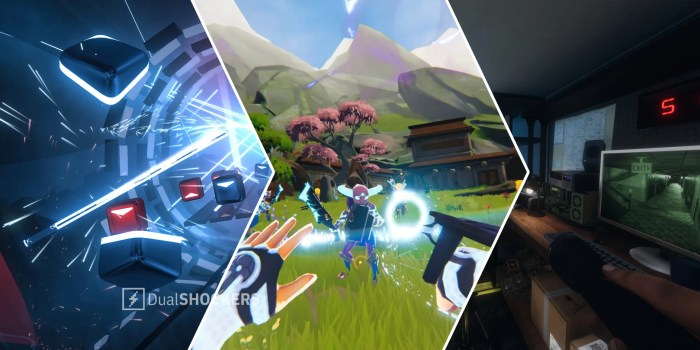
Indie adventure games A Journey of Imagination and Fun

Indie

Indie adventure games, where pixels and passion collide, take us on whimsical journeys that dance on the edge of our imagination. These games often serve as the vibrant canvas for artistic storytelling, inviting players to explore unique narratives filled with quirky characters and stunning visuals that could make a rainbow jealous. From their humble beginnings, indie adventures have evolved like a caterpillar into a butterfly, embracing new technologies while staying true to their roots of creativity and innovation.

As we dive deeper, we’ll uncover the artistic styles and captivating narratives that define this genre, explore how multiplayer options transform solitary quests into shared experiences, and examine the latest trends shaping the future of indie games. Whether you’re a lone wolf or a party animal, there’s an indie adventure waiting to whisk you away!

Indie Adventure Games Overview

Indie

Indie adventure games represent a vibrant corner of the gaming universe, where creativity flourishes and the unexpected is the norm. Often crafted by small teams or even solo developers, these games prioritize storytelling and unique gameplay mechanics over blockbuster budgets. With a charm that appeals to both casual gamers and hardcore enthusiasts, indie adventure games invite players to embark on journeys that often challenge the mind and tug at the heartstrings.In terms of artistic styles, indie adventure games are a playground for diverse aesthetics.

From pixel art that harkens back to the golden age of gaming to lush hand-drawn visuals that bring fantastical worlds to life, the art in these games often matches the narrative’s tone—think whimsical for lighthearted tales and darkly surreal for more somber stories. Narrative-wise, these games often explore themes of identity, loss, and existential dilemmas, allowing players to immerse themselves in thought-provoking scenarios that resonate on a personal level.

Artistic Styles and Narratives

The artistic styles and narratives in indie adventure games are as varied as the developers themselves. Here are some prominent characteristics:

  • Visual Novel Aesthetics: Many indie games employ a visual novel format, combining striking character designs with background artwork that tells its own story. This format often facilitates deeper emotional connections between the player and the characters.
  • Pixel Art and Retro Styles: Nostalgia plays a vital role, with many games opting for pixelated graphics reminiscent of 8-bit and 16-bit classics, evoking a sense of retro charm while engaging a modern audience.
  • Hand-Drawn Animation: Titles like
    -Gris* showcase beautifully illustrated environments, where every frame feels like a piece of art, enhancing the narrative with a unique emotional palette.
  • Minimalism: Some games strip away superfluous details to focus on essential elements, allowing players to fill in the gaps with their imagination, as seen in games like
    -Journey*.

Narratively, indie adventure games often delve into complex themes that larger studios may shy away from. Here are some key narrative trends:

  • Character-Driven Stories: These narratives are frequently centered around personal growth and relationships, inviting players to engage with characters on a deeper level, like in
    -Life is Strange*.
  • Exploration of Identity: Many games tackle themes of self-discovery and transformation, urging players to confront their own identities, as seen in titles such as
    -Celeste*.
  • Non-Linear Storytelling: A hallmark of indie games is the ability to make choices that impact the story’s direction, providing a unique experience tailored to each player, akin to
    -Oxenfree*.
  • Surreal and Abstract Narratives: Some titles opt for surreal storytelling, leaving interpretation open to players, creating an atmosphere of intrigue and exploration, as exemplified by
    -The Stanley Parable*.

Evolution of Indie Adventure Games

The evolution of indie adventure games can be traced back to the early 2000s, when digital distribution platforms like Steam and itch.io emerged, making it easier for developers to share their creations with a wider audience. This shift yielded a renaissance of creativity and innovation, allowing unique ideas to flourish. In the early days, indie games often relied on classic gameplay mechanics and simple graphics, but as technology has improved, so has the quality and scope of indie adventure titles.

Below are significant developments in the genre:

  • Rise of Crowdfunding: Platforms like Kickstarter have empowered developers to fund ambitious projects that might have otherwise stayed on the drawing board, resulting in titles like
    -Undertale*.
  • Community Engagement: Indie developers frequently engage with their player base early in the development process, utilizing feedback to refine their games and foster a loyal community, a tactic seen with
    -Hollow Knight*.
  • Diversity in Storytelling: The indie scene has become a voice for underrepresented narratives, showcasing stories from various cultures and perspectives, as highlighted by games like
    -Spiritfarer*.
  • Increased Recognition: The success of indie titles has led to greater recognition within the industry, with games regularly nominated for prestigious awards, demonstrating their impact and cultural significance.

The journey through the world of indie adventure games is one of innovation, humor, and heartfelt storytelling, constantly evolving while remaining rooted in the passion and creativity of their creators.

Multiplayer Gaming in Indie Adventures

In the whimsical world of indie adventure games, multiplayer functionalities serve as a delightful sprinkle of extra magic dust, transforming solitary quests into rollicking escapades with friends. Picture a virtual campfire where you and your pals gather (virtually, of course) to solve puzzles, battle quirky foes, and share hearty laughs over digital marshmallows. Multiplayer modes not only enhance gameplay dynamics but also forge stronger bonds among players, making each adventure a shared memory rather than a solitary stroll through pixelated landscapes.Multiplayer functionalities in indie adventure games have evolved into vibrant canvases of collaboration and competition.

The combination of diverse player skills and creative strategies can lead to unexpected and often hilarious outcomes. While single-player modes allow for introspection and a leisurely pace, multiplayer formats introduce elements of teamwork and spontaneity that can transform a straightforward quest into an epic story filled with unforeseen twists and turns. The chance of a player accidentally triggering a trap while trying to save another can become the stuff of legend—or at least a great story to tell over coffee.

Comparison Between Single-Player and Multiplayer Formats

When weighing the merits of single-player versus multiplayer formats in indie adventure games, it’s essential to consider various aspects that define each experience. Below is a comparison that highlights the key differences:

  • Experience Level: Single-player games allow players to progress at their own pace, ideal for those new to gaming or who enjoy a more narrative-driven experience. Multiplayer games, however, are often fast-paced and driven by collaboration, making them exciting for seasoned players looking for a challenge.
  • Interaction: In single-player modes, the player interacts primarily with the game environment and NPCs. In multiplayer, players engage with each other, leading to dynamic interactions that can change the course of the game.
  • Storytelling: Single-player adventures often focus on deep storytelling and character development. Multiplayer formats tend to prioritize gameplay mechanics, sometimes sacrificing narrative depth for engaging, shared experiences.
  • Replayability: Multiplayer games generally offer higher replay value due to their unpredictable nature and the varying interactions that can occur with different players. Single-player games may have a set narrative arc that, once completed, can feel less compelling to revisit.
  • Social Connection: Multiplayer games foster a sense of community and camaraderie, allowing players to forge friendships and share experiences. Single-player modes can sometimes feel isolating, leading to a more solitary gaming experience.

Popular Indie Adventure Games with Multiplayer Elements

Several indie adventure games have successfully woven multiplayer elements into their fabric, enhancing the overall experience for players. Here’s a list of notable titles that have embraced the multiplayer trend:

  • Don’t Starve Together: This survival adventure game allows players to team up in a hostile world filled with bizarre creatures and challenging environments. The goal is simple: survive together or perish trying, all while enjoying some quirky humor.
  • Stardew Valley: While primarily a farming simulator, this indie gem offers a multiplayer option where players can collaborate to build and manage a thriving farm. Sharing resources and responsibilities leads to a delightful rural experience.
  • Castle Crashers: A beat-’em-up style adventure that supports up to four players, this game combines humor, colorful graphics, and chaotic fun as players embark on a quest to rescue princesses and defeat enemies.
  • Human: Fall Flat: Get ready for hilarious physics-based shenanigans as players navigate obstacles together, often leading to comical outcomes. This game emphasizes cooperation and creativity in problem-solving.
  • Risk of Rain 2: A rogue-like adventure game that ramps up the excitement with multiplayer capabilities, allowing players to tackle waves of enemies together while collecting items and enhancing their characters.

Multiplayer indie adventure games serve as the perfect playground for creativity, laughter, and shared memories, proving that the journey is often more enjoyable with friends by your side.

Gaming Trends and Innovations

As we venture deeper into the pixelated worlds of indie adventure games, it’s clear that these realms are evolving faster than you can say “1UP!” From storytelling that tugs at the heartstrings to innovative technology that pushes the boundaries of gameplay, indie developers are not just keeping up with trends; they are setting them. This dynamic environment has fostered a vibrant gaming community that thrives on creativity, collaboration, and a sprinkle of chaos, much like a well-timed cat meme in a serious discussion.

Current Trends in Indie Adventure Games

The indie adventure scene is bustling with trends that reflect the ever-changing landscape of player preferences and technological advancements. The rise of narrative-driven games emphasizes emotional storytelling, allowing players to engage with characters on a level that rivals a heartfelt Netflix binge. Additionally, retro aesthetics, combined with modern mechanics, are making waves as developers cleverly blend nostalgia with innovation.

  • Emphasis on Storytelling: Games like “Oxenfree” and “Night in the Woods” showcase how narrative can dominate gameplay, creating rich, immersive experiences that resonate with players.
  • Diverse Representation: A growing number of indie games are featuring characters from varied backgrounds, offering players a wide array of relatable experiences that celebrate diversity.
  • Shorter Play Sessions: Indie devs are embracing the attention span of the average gamer with bite-sized adventures that capture the essence of exploration without the need for a 100-hour commitment.
  • Community Engagement: Many indie games are developed with community input, whether through early access or feedback-driven design, fostering a sense of ownership among players.

Impact of Virtual Reality on Indie Adventure Gaming

Virtual reality (VR) is not just a flashy gimmick; it’s reshaping how we interact with games entirely. Indie developers are jumping aboard this digital loco-motion train, creating experiences that can transport players to new dimensions. The ability to physically explore worlds offers a level of immersion that traditional gaming simply cannot match. For example, “The Walking Dead: Saints & Sinners” puts players in the midst of a zombie apocalypse, where decisions matter more than ever—because nothing says “life or death” like a VR headshot!

“VR isn’t just about graphics; it’s about making you feel like you’re truly there—like when you trip over your own feet in a virtual world!”

  • Innovative Gameplay Mechanics: VR allows for unique controls and interactions, such as manipulating objects with your hands or navigating environments through your body.
  • Enhanced Immersion: The 360-degree perspective in VR creates a heightened sense of presence, making players feel as if they are truly part of the adventure.
  • Exploration and Discovery: Games can leverage the physical space around the player, encouraging them to explore their actual environment in search of in-game treasures.

Optimization for Various Platforms

Indie game developers are masters of platform optimization, ensuring that their enchanting worlds can be accessed on a myriad of devices. The versatility in design not only broadens their audience but also enhances gameplay experiences tailored to various platforms. From mobile devices to consoles, indie adventures are now a click away, even during your daily commute or while pretending to work.

  • Cross-Platform Play: Many developers are enabling cross-play features, allowing friends to embark on adventures together, regardless of their chosen device.
  • Accessible Controls: Indie games are frequently designed with intuitive controls that cater to both seasoned gamers and newcomers, ensuring everyone can join the fun.
  • Performance Optimization: Developers are refining graphics and performance to match the capabilities of different platforms, resulting in smooth gameplay on even the most modest systems.
  • Cloud Gaming: The rise of cloud gaming services is allowing indie titles to reach players without the need for high-end hardware, democratizing access to innovative experiences.

Wrap-Up

Indie adventure games

In summary, indie adventure games are not just a genre; they’re an invitation to explore uncharted territories of creativity and camaraderie. From the breathtaking art styles to the exhilarating multiplayer engagements, these games remind us that there’s always a new adventure just around the corner. So grab your controller, rally your friends, and prepare to embark on a journey that celebrates imagination, innovation, and a bit of good old-fashioned fun!

General Inquiries

What makes indie adventure games unique?

Indie adventure games stand out due to their creative storytelling, unique art styles, and the freedom of developers to explore unconventional ideas, often leading to innovative gameplay experiences.

Are all indie adventure games single-player?

Nope! While many are single-player, an increasing number incorporate multiplayer elements, allowing friends to embark on adventures together.

How do indie adventure games evolve over time?

They evolve by incorporating new technologies, responding to player feedback, and experimenting with narrative and gameplay mechanics, which keeps the genre fresh and exciting.

Can you play indie adventure games on different platforms?

Absolutely! Many indie adventure games are designed for multiple platforms, including PC, consoles, and even mobile devices, making them widely accessible.

How do I find the best indie adventure games?

Check out gaming communities, review sites, and platforms like Steam or itch.io, where you can discover hidden gems and popular titles alike!

Console adventure games a journey of thrills and skills

Console adventure games

Welcome to the whimsical world of Console adventure games, where pixelated heroes leap into action and puzzles lurk around every corner! In this magical realm, players embark on epic quests, armed with nothing but their wits and a joypad, while encountering everything from menacing dragons to puzzling riddles and maybe even a few pesky mushrooms.

Over the years, the genre has evolved from simple text-based escapades to rich, immersive worlds brimming with unique storylines and jaw-dropping graphics. So, grab your controllers and prepare for a thrilling ride through the history, mechanics, and multiplayer madness that define these unforgettable gaming adventures!

Console Adventure Games

The realm of console adventure games is a whimsical journey through pixelated landscapes and mind-bending puzzles, ushering players into fantastical realms where the only limit is their imagination—and occasionally their sanity. These captivating experiences have evolved from humble beginnings, transforming the way we engage with interactive storytelling while ensuring that at least a few controllers went flying in frustration.The birth of console adventure games can be traced back to the late 1970s and early 1980s with titles like “Colossal Cave Adventure,” an early text-based game that had players parsing through command prompts like a linguistic archaeologist.

The genre took off with graphical representations in the mid-80s, leading to the iconic “The Legend of Zelda” in 1986, which blended action and exploration in a way that left players hooked like fish in a digital sea.

History and Evolution of Console Adventure Games

The history of console adventure games is as rich and intricate as a treasure map dotted with traps and secrets. The genre has undergone significant transformations, influenced by technological advancements and changing player expectations.

  • Early Beginnings: Text-based adventures paved the way, where players needed a thesaurus to decipher their next move. Titles like “Zork” emerged, captivating imaginations with nothing but words.
  • Graphical Revolution: With the advent of 8-bit graphics, adventures became visually rich. “The Legend of Zelda” introduced an open-world concept that felt revolutionary, making players feel like they were exploring a vast universe rather than just a linear path.
  • 3D Exploration: The leap to 3D in the late 90s brought titles like “Tomb Raider,” allowing players to navigate complex environments with a sense of freedom previously unseen. Lara Croft became a household name, shattering glass ceilings and many a baddie along the way.
  • Modern Innovations: Today’s console adventures often blend genres, integrating RPG elements and even multiplayer features. Games like “The Witcher 3” invite players to explore vast narratives with branching storylines, making decisions that weigh heavily on the fate of their digital realms.

Popular Console Adventure Games and Their Unique Features

In the diverse world of console adventure games, a selection stands out for their unique features and storytelling brilliance. These games have not only entertained but have also influenced the genre’s direction.

  • Monkey Island Series: Known for its sharp wit and pun-filled dialogue, this series turned swashbuckling into a comedic art form. Who knew pirates could be this funny?
  • Grim Fandango: This title combined film noir with Mexican folklore, cleverly aiming to redefine the adventure genre. It’s like sipping tequila while solving a murder mystery at the same time—beware of hangovers though!
  • Life is Strange: A modern masterpiece that tackles heavy themes like time travel and personal choice, it proves that not all adventures require swords and sorcery—some just need a good ol’ dose of teenage drama.
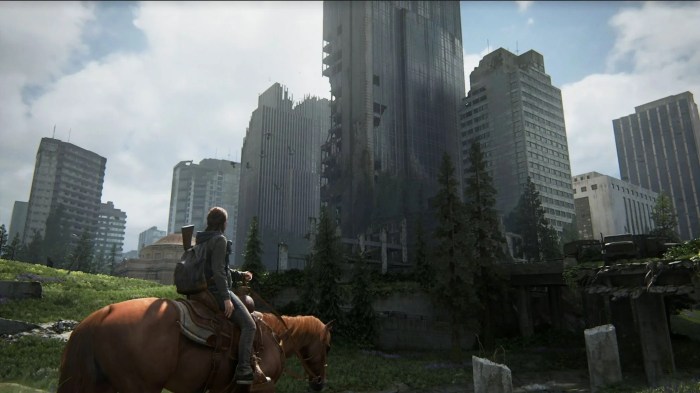
  • The Last of Us: This game redefined storytelling in the adventure genre, where every decision can lead to heart-wrenching consequences, demonstrating that post-apocalyptic worlds can be as emotionally charged as they are action-packed.

Gameplay Mechanics Defining the Adventure Genre on Consoles

The gameplay mechanics of console adventure games are as varied as the creatures you might encounter on your journey, each contributing to the immersive experience that defines the genre.

  • Exploration: Core to every adventure, players navigate richly designed environments that often hide secrets waiting to be discovered like a cat in a box—mysterious and occasionally temperamental.
  • Puzzles: Clever challenges test a player’s wit, ranging from cryptic riddles to logic puzzles that can leave you scratching your head. They often require the kind of lateral thinking that would make a mathematician weep.
  • Inventory Management: Players collect items that can be combined or utilized to advance through the story. It’s like a digital scavenger hunt with a twist, where your backpack might be more crowded than a subway during rush hour.
  • Dialogue Trees: Choices affect the narrative flow and character relationships, adding depth to interactions. It becomes a game of verbal chess—strategic moves can lead to either alliances or total chaos.

“Adventure games are the chocolate cake of the gaming world—rich, fulfilling, and occasionally leaving you with a sugar rush that makes you question your life choices.”

Multiplayer Gaming in Console Adventure Games

Multiplayer features in console adventure games have transformed the landscape of gaming, turning solo escapades into social quests filled with laughter, chaos, and the occasional friendly betrayal. While single-player narratives whisk us away into fantastical realms alone, multiplayer formats throw in the delightful chaos of friends (or frenemies), doubling the fun and the potential for random mishaps.The incorporation of multiplayer options breathes fresh life into adventure games, allowing players to strategize together, tackle challenges, or even engage in lighthearted competition.

This dynamic interaction not only enhances gameplay but cultivates a sense of shared experience that can turn a simple gaming session into a legendary tale. Multiplayer modes foster camaraderie, where players can work together to conquer dungeons or compete for the most stylish dragon-slaying moves.

Impact of Multiplayer Features in Adventure Games

Multiplayer features have a profound effect on the overall experience of console adventure games. They allow for richer storytelling and more complex interactions, leading to a variety of gameplay styles. Here are some key impacts:

  • Increased Engagement:

    Players are more likely to stay engaged when they can share the experience with others, leading to longer play sessions and a more vibrant gaming community.

  • Enhanced Problem Solving:

    Collaboration fosters creative solutions to challenges, as players bring different skills and perspectives to the table.

  • Competitive Spirit:

    Friendly competition adds excitement, with players pushing each other to achieve goals and outperform one another in creative ways.

Best Multiplayer Adventure Games Available on Consoles

The current gaming landscape boasts a plethora of multiplayer adventure titles that have captured the hearts of players. These games offer unique experiences that cater to various play styles, ensuring there’s something for everyone. Here’s a selection of some of the best multiplayer adventure games:

  • Sea of Thieves:

    Set sail on the high seas with friends, battling skeletons, hunting for treasure, and occasionally mutinying against each other for the loot!

  • Overcooked! All You Can Eat:

    Team up to create culinary masterpieces under extreme pressure, where teamwork is vital and kitchen chaos reigns supreme.

  • It Takes Two:

    This uniquely designed game requires two players to work together through a whimsical world, emphasizing cooperation over competition.

  • Monster Hunter: World:

    Join forces with friends to hunt down gargantuan beasts, crafting armaments from their remains and transforming into a terrifyingly skilled hunter.

Cooperative and Competitive Multiplayer Experiences

Multiplayer experiences can be categorized into cooperative and competitive styles, each offering distinct advantages and unique gameplay elements. Understanding these can enhance player enjoyment and strategy.

  • Cooperative Multiplayer:

    Games like “It Takes Two” demand teamwork, where players must coordinate actions to progress. Communication is key, leading to memorable moments and shared victories.

  • Competitive Multiplayer:

    Titles such as “Super Smash Bros. Ultimate” allow players to face off against each other in friendly (or not-so-friendly) rivalry, bringing out the competitive spirit and providing endless fun.

  • Hybrid Experiences:

    Some games combine both elements, allowing players to work together while also competing for resources or achievements, creating a dynamic balance of collaboration and competition.

Gaming Trends and Innovations

Console adventure games

The world of console adventure games is on a thrilling roller coaster of innovation, with trends that resemble the wildest plot twists. As players dive into immersive realms, they find themselves at the forefront of a technological renaissance that kicks realism into high gear and leaves traditional gaming in the dust. This section explores the latest trends and anticipates where the pixelated path will lead us next, while also shining a spotlight on the adventures that await in virtual reality.

Latest Trends in Console Adventure Games

In recent years, console adventure games have evolved in exciting ways, ushering in trends that redefine player experiences. Some key trends include:

  • Open-World Exploration: Games like “Breath of the Wild” and “Horizon Zero Dawn” have shown players that the sky’s the limit. These expansive worlds encourage exploration and creativity, allowing gamers to carve their own paths, often with hilarious consequences—like a hero accidentally climbing a tree and getting chased by a particularly angry goat.
  • Story-Driven Content: Titles such as “The Last of Us Part II” have set the bar high for narrative depth, intertwining storytelling with emotional engagement that can leave players sobbing into their controllers.
  • Cross-Platform Play: The walls of console exclusivity are tumbling down, with games supporting cross-platform multiplayer features, allowing friends to unite regardless of their gaming throne of choice—be it PlayStation, Xbox, or PC.
  • Enhanced Customization: Players now enjoy more customization options than ever before, from their character’s appearance to their in-game abilities. The ability to create a character that resembles an avocado in a superhero cape? Yes, please!

Integration of VR Technology in Console Adventure Gaming

Virtual reality (VR) technology has transformed console adventure gaming into a mind-bending experience, where players don headsets and step into worlds that feel as real as their living rooms (minus the snack wrappers, of course). The integration of VR is a game changer, enabling players to interact with their environments in unprecedented ways.

The benefits of VR in console adventure include:

  • Immersive Gameplay: Players can physically navigate through vast realms, solve puzzles by moving their bodies, and even engage in hand-to-hand combat with foes that seem to leap out of the screen.
  • Enhanced Social Interaction: Multiplayer VR experiences allow friends to explore together, even if they’re continents apart. Imagine fighting dragons side by side while virtually high-fiving your buddy who just scored a critical hit!
  • Innovative Storytelling: Developers are crafting narratives that leverage the immersive nature of VR, creating situations where choices are made with a wave of a hand or a twist of the head, making every decision feel like a life-or-death scenario (or at least life-or-game-over).

Comparison of Gaming Platforms for Adventure Games

The landscape of gaming platforms offers a smorgasbord of choices for adventure game enthusiasts. Below is a comparative table that highlights the offerings of various consoles, showcasing their strengths and features that adventure gamers should keep in mind:

Platform Exclusive Titles VR Compatibility Online Multiplayer Features Notable Adventure Games
PlayStation 5 Ratchet & Clank: Rift Apart Yes PlayStation Plus Ghost of Tsushima
XBOX Series X Halo Infinite Limited XBOX Live Gold State of Decay 2
Nintendo Switch The Legend of Zelda: Breath of the Wild No Online Subscription Animal Crossing: New Horizons
PC Variety of titles Yes Steam & Others The Witcher 3

As players explore this diverse gaming cosmos, each platform offers unique adventures that cater to different tastes and preferences. Whether you’re a hero saving the world or a rogue escaping from sticky situations, the evolution of console adventure games continues to provide endless opportunities for escapism and laughter.

Closure

Console adventure games

As we bid farewell to this exploration of Console adventure games, remember that every quest is packed with surprises, whether it’s a breathtaking storyline or epic multiplayer shenanigans. So keep your controllers close and your spirits high, because in the world of adventure, there’s always a new mystery waiting to be unraveled!

General Inquiries

What defines an adventure game on consoles?

Adventure games on consoles are characterized by exploration, puzzle-solving, and narrative-driven gameplay that immerses players in captivating stories.

Are there any classic console adventure games?

Absolutely! Classics like “The Legend of Zelda” and “Monkey Island” paved the way for the genre, offering unforgettable adventures.

Can you play adventure games solo?

Yes! While many adventure games feature multiplayer options, they can be enjoyed solo for a more personal experience.

What’s the role of storytelling in adventure games?

Storytelling is the heart of adventure games, drawing players into intricate plots and emotional journeys that keep them engaged.

Will VR change console adventure gaming?

Definitely! VR technology is poised to revolutionize console adventure games by creating immersive environments that make players feel like they’re really in the game.

Best adventure games that make your heart race

Best adventure games

Best adventure games are like roller coasters for your brain—thrilling twists, unexpected drops, and a whole lot of fun! Whether you’re swinging from vines in a jungle or deciphering ancient puzzles in a haunted mansion, these games take you on a wild ride that’s hard to forget.

This genre is characterized by gripping stories and immersive worlds where every decision you make can lead to glorious triumphs or epic fails. From the pixelated landscapes of yesteryears to the breathtaking graphics of today, adventure games have evolved tremendously, dazzling players with their creativity and innovation.

Best Adventure Games

Adventure games have captivated players for decades, taking them on thrilling quests filled with puzzles, mysteries, and engaging narratives. These experiences often blend storytelling with gameplay mechanics that allow players to explore vast worlds, interact with intriguing characters, and solve clever challenges. Let’s delve into the top adventure games of all time, uncovering what makes them unforgettable.

Top 10 Adventure Games of All Time

The world of adventure gaming is rich and diverse, offering players a plethora of choices. Below is a carefully curated list of the top 10 adventure games, each with its unique features that have left a lasting impact on players.

  • The Legend of Zelda: Breath of the Wild
    -Open-world exploration with a focus on physics-based puzzles and a non-linear narrative.
  • Monkey Island 2: LeChuck’s Revenge
    -Classic point-and-click adventure known for its humor and charming characters.
  • Grim Fandango
    -A unique blend of film noir and Mexican folklore, featuring a captivating story and memorable voice acting.
  • Life is Strange
    -An episodic narrative-driven game with time-manipulation mechanics, emphasizing player choices and consequences.
  • Telltale’s The Walking Dead
    -An emotional journey through a zombie apocalypse, focusing on character relationships and impactful decision-making.
  • Full Throttle
    -A cult classic featuring a biker protagonist in a dystopian future, combining humor with engaging gameplay.
  • Syberia
    -A beautifully crafted world with a gripping narrative about a lawyer’s journey across Europe, exploring themes of nostalgia and discovery.
  • Firewatch
    -A first-person exploration game set in the Wyoming wilderness, rich in atmospheric storytelling and character development.
  • The Secret of Monkey Island
    -A revolutionary point-and-click adventure that set the standard for humor and engaging storytelling in games.
  • Journey
    -A visually stunning experience that emphasizes exploration and emotional connection, allowing players to interact with others without words.

Narrative Techniques in Adventure Games

Adventure games are renowned for their innovative narrative techniques that draw players into immersive worlds. The use of branching storylines, rich character development, and environmental storytelling are just a few techniques that engage players deeply.

“Adventure games are not just about the destination; they are about the journey, the choices, and the emotions experienced along the way.”

Developers employ dialogue trees that allow players to shape the outcome of their interactions, leading to multiple endings and varied experiences. Environmental storytelling, such as clues hidden in the surroundings, encourages players to pay close attention, creating a sense of discovery and satisfaction as they piece together the narrative.

The Evolution of Graphics in Adventure Games

Over the past decade, the visual aesthetics of adventure games have undergone a transformative evolution, from pixelated graphics to breathtakingly realistic environments. This graphical evolution enhances the immersive quality of adventure games, making them more engaging than ever.The shift from 2D sprites to 3D models has allowed for richer and more intricate worlds. Recent titles like “The Legend of Zelda: Breath of the Wild” showcase vast open landscapes filled with dynamic weather and intricate details, while games like “Life is Strange” utilize stylized graphics to convey emotion and narrative depth.As technology advances, developers are increasingly employing techniques such as motion capture and advanced shading, resulting in lifelike character animations and environments that resonate emotionally with players.

This evolution not only captivates visually but also heightens the storytelling experience, allowing players to connect with the game on a whole new level.

Multiplayer Gaming

Multiplayer adventure gaming takes the excitement of exploring new worlds and battling fearsome foes and cranks it up to eleven! Whether you’re teaming up with friends on a couch or connecting with distant comrades online, the camaraderie and chaos make for some epic escapades. Let’s dive into the best co-op adventure games that are sure to tickle your fancy and bring smiles to your faces (or elbows, if you’re laughing too hard)!

Best Co-op Adventure Games

A great co-op adventure game can turn a mundane evening into an unforgettable quest, where heroics and hilarity abound. Here are some of the best games that make teamwork feel as exhilarating as being chased by a dragon while holding a pizza:

  • Overcooked! 2: Manage your kitchen chaos as you and your friends whip up culinary creations under pressure. It’s the only game where burning the toast can lead to a friendship meltdown!
  • Stardew Valley: Farming has never been so fun! Team up to build the perfect farm, complete quests, and even engage in a little competitive spirit with festival events.
  • Portal 2: Solve mind-bending puzzles using portals. The real challenge is not the puzzles, but keeping your partner from being launched into the abyss… repeatedly.
  • Sea of Thieves: Become a pirate legend with your crew as you sail the high seas, hunt for treasure, and avoid being sent to Davy Jones’ locker (or just your couch).

Strategies for Enhancing Teamwork

Effective teamwork is the backbone of successful multiplayer adventures. Here are some strategies that can turn your gaming group into a well-oiled machine, or at the very least, a slightly rusty contraption that occasionally works:

  • Communication is Key: Use voice chat or in-game messaging to share your thoughts, plans, and occasional jokes about the last time you fell off a cliff.
  • Define Roles: Just like in a band, everyone can’t be the lead singer. Assign roles that suit players’ strengths; someone’s gotta be the healer while someone else chases the monsters with a frying pan.
  • Plan Together: Discuss strategies before charging into battle. A little pre-planning can save you from a fiery doom (at least until the next round).
  • Embrace Mistakes: Sometimes, things go hilariously wrong. Instead of raging, make it a fun memory—after all, who doesn’t love a good tale of how you accidentally blew up the team’s base?

Comparison of Traditional and Multiplayer Adventure Games

The dynamics of gameplay change significantly when transitioning from traditional single-player adventures to multiplayer experiences. Here’s how they stack up:

Aspect Traditional Adventure Games Multiplayer Adventure Games
Player Interaction Solo quests with NPC interactions. Dynamic interactions with real players, leading to unexpected and often humorous outcomes.
Gameplay Challenges Puzzles and challenges designed for one player. Challenges often require collaboration, making puzzles more complex and chaotic.
Story Progression Linear storytelling with a fixed protagonist. Story can shift based on player choices and actions, creating unique narratives in each session.
Replayability Replay value mainly through different choices or difficulties. High replayability as every team’s dynamic and interaction changes the game’s outcome.

The laughter shared in multiplayer adventures is often louder than the sound of your character’s demise!

Gaming Trends and Innovations

Best adventure games

In the wild world of adventure gaming, trends and innovations are akin to treasure maps leading us to bountiful discoveries. With each new advance, players are transported into realms of immersive escapism, where the limits of reality are pushed to fantastical heights. Let’s delve into the exhilarating developments shaping these digital escapades and their whimsical impacts on gameplay!

Impact of Virtual Reality on Adventure Gaming

The emergence of virtual reality (VR) has catapulted adventure gaming into a new dimension—literally! With VR headsets, players can dive headfirst into enchanted forests, perilous mountains, and otherworldly landscapes as if they were indeed part of the action. The sensation of physically exploring a virtual world adds an unprecedented layer of engagement and thrill. Notable titles leading the charge include:

  • The Walking Dead: Saints & Sinners
    -A heart-pounding zombie survival experience where decisions matter more than a romance in a soap opera.
  • Moss
    -A charming tale of a mouse on a quest that will make you feel like a giant in a world of tiny wonders.
  • No Man’s Sky
    -An intergalactic adventure where the only limit is your imagination… and possibly a few pesky bugs!

“VR is not just a game; it’s an experience that grabs you by the collar and demands you to jump into the adventure.”

Current Trends in Gaming Optimization

Today’s gamers are not just looking for thrills; they also demand top-notch performance. Gaming optimization trends focus on squeezing every ounce of power from hardware across diverse platforms, ensuring that players experience smooth gameplay without the dreaded lag. Key factors driving these advancements include:

  • Cross-Platform Play
    -Allowing players on different devices to join forces (or compete) in the vast realms of adventure.
  • Cloud Gaming
    -Offering the ability to stream games directly from the cloud, making high-end gaming accessible to all without the need for a pricey rig.
  • Dynamic Resolution Scaling
    -Ensuring that graphics look stunning without compromising frame rates, making those dramatic cliff hangers even more intense!

“Optimizing adventure games is like tuning a fine instrument; one small adjustment can change the entire symphony of your gaming experience.”

Influence of Sports Gambling on Adventure Games

Recently, the intersection of sports gambling and adventure gaming has become a curious phenomenon. As sports betting finds its way into the gaming landscape, developers are creatively integrating gambling themes into adventure narratives. This trend not only attracts sports enthusiasts but also introduces strategic gameplay elements. Examples of this convergence include:

  • Luck Be A Landlord
    -A delightful roguelike where players’ choices can lead to both fortune and folly, echoing the ups and downs of sports betting.
  • Casino Adventure
    -A title that allows players to explore a casino-themed world filled with games that reflect the excitement of gambling without the actual risk of losing your lunch money.
  • Fantasy Sports Integration
    -Games that offer in-game betting on character performance, melding the thrill of fantasy adventures with the adrenaline of sports gambling.

“When adventure gaming meets sports gambling, every decision can feel like a high-stakes bet—will you ride the wave of victory or crash into a river of regret?”

End of Discussion

Best adventure games

In conclusion, the world of adventure games is a treasure chest of excitement, brimming with stories that whisk you away to far-off lands and epic quests. So, whether you’re teaming up with friends or embarking on a solo escapade, there’s never been a better time to dive into the captivating universe of adventure gaming!

Helpful Answers

What are the top adventure games of all time?

Some of the classics include titles like “The Legend of Zelda: Ocarina of Time,” “Monkey Island,” and “Grim Fandango.” Each offers unique features that set them apart.

What’s the difference between single-player and multiplayer adventure games?

Single-player games focus on personal storytelling, while multiplayer games emphasize teamwork and collaboration, creating a shared experience.

How have graphics in adventure games changed?

Graphics have evolved from simple 8-bit designs to stunning 3D environments with intricate details, making the worlds more immersive than ever.

Are there any adventure games suitable for all ages?

Absolutely! Many adventure games are family-friendly and offer fun puzzles and stories that can be enjoyed by players of all ages.

What role does storytelling play in adventure games?

Storytelling is central to adventure games, as it engages players emotionally and drives them to explore and interact with the game world.

VR gaming headset A New Dimension in Gaming Fun

VR gaming headset

Welcome to the wild world of VR gaming headsets, where your living room transforms into an intergalactic battlefield, a serene forest, or a rollercoaster ride you never signed up for! Imagine donning a headset and suddenly being able to battle aliens, make friends with dragons, or simply trip over your cat while trying to dodge virtual bullets. These gadgets aren’t just cool toys; they’re revolutionizing how we play and interact in the gaming universe, making every game feel like an epic saga you’re a part of rather than just a spectator.

With a rich history of evolution, VR gaming headsets have come a long way from bulky devices that made you look like a clunky robot. Today’s models boast features like 360-degree tracking, high-definition visuals, and a social experience that puts your average couch co-op to shame. Gamers can now leap into immersive worlds and enjoy multiplayer experiences that feel like true adventures, all while wearing a fancy headset that screams ‘I’m cooler than you!’

The Rise of VR Gaming Headsets

VR gaming headset

Virtual Reality (VR) gaming headsets have dramatically transformed the landscape of interactive entertainment, and it all began with the dream of stepping into a virtual world. Back in the day, gamers used to rely on consoles and PCs that required a bit of imagination to visualize their adventures. Fast forward to today, and VR headsets are making players feel like they are actually fighting dragons or dancing with aliens in their living rooms.

The evolution of VR technology is not just a passing trend; it’s a monumental leap towards immersive gaming experiences that leave players questioning if they’ve been knighted or abducted by extraterrestrials.The impact of VR gaming headsets on the industry is nothing short of seismic. These devices have introduced a new dimension to gameplay, where players can physically interact with their environments, engage in lifelike scenarios, and even break a sweat dodging imaginary projectiles.

Traditional gaming, once ruled by controllers and flat screens, now stands in the shadow of VR’s captivating worlds. Features such as 360-degree views, hand-tracking, and spatial audio make VR headsets a standout in the gaming realm. Players can swing virtual swords or cast spells simply with their movements, turning the living room into an epic battlefield or enchanted forest.

Top VR Gaming Headsets Available

With the surge in popularity of VR gaming, several headsets have emerged as frontrunners in the market, each boasting unique features that cater to various types of gamers. Here’s a look at some of the top contenders vying for your attention and wallet:

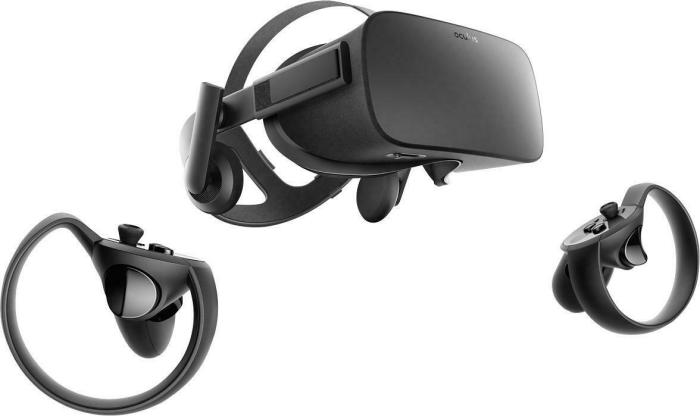
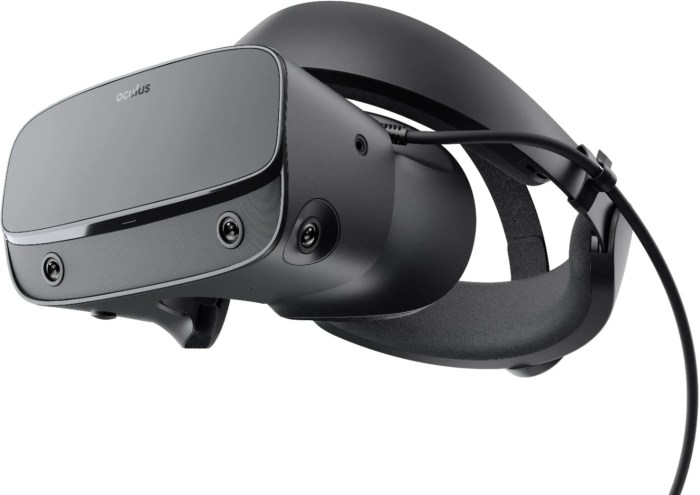
  • Oculus Quest 2: A wireless powerhouse that requires no external sensors, the Oculus Quest 2 is perfect for gamers who want to dive right into action. Its high-resolution display and vast library of games make it a top choice for both casual gamers and VR enthusiasts.
  • Valve Index: Known for its incredible tracking and visuals, the Valve Index is the choice for those desiring a premium VR experience. With finger-tracking controllers, players can interact with the virtual world like never before, making every action feel more natural.
  • PlayStation VR: For console aficionados, the PlayStation VR offers a blend of affordability and a robust game library that includes some of the most beloved titles in VR. It’s the go-to headset for PlayStation users wanting to step into immersive gameplay.
  • HTC Vive Pro 2: This headset is the heavyweight champion of VR, boasting a stunning 5K resolution and high-fidelity audio. It’s ideal for serious gamers who want the absolute best visuals and sound, although it does come with a price tag to match.

The variety of VR gaming headsets available means that whether you’re a casual gamer or a dedicated VR warrior, there’s a device out there to match your gaming style. The competition in the market is fierce, and it is this very competition that drives innovation, ensuring players are treated to continuous advancements in technology and gaming experiences.

“VR gaming is not just about seeing; it’s about feeling, interacting, and immersing yourself in a whole new universe.”

Multiplayer Gaming in Virtual Reality

Multiplayer gaming in virtual reality is like throwing a LAN party in an intergalactic arcade where everyone is wearing a space helmet and trying to not trip over their own feet. It brings players together, allowing them to interact in ways that are as immersive as they are entertaining. Imagine joining forces with friends or strangers, all while navigating digital landscapes that feel surprisingly real—mostly because you’re still in your pajamas while battling dragons or dodging laser beams!The experience of multiplayer VR gaming goes beyond mere competition; it’s about forming connections, sharing laughs, and perhaps even engaging in a bit of friendly banter.

Whether you’re battling zombies or crafting elaborate strategies, the ability to see and hear your fellow players in a virtual space enhances the social aspect of gaming, making it feel less like a solitary endeavor and more like a rollicking adventure with friends.

Popular Multiplayer VR Games

Several standout titles have taken the VR multiplayer scene by storm, transforming how players connect and compete. These games illustrate the diversity and excitement of multiplayer experiences in virtual reality. Here’s a look at some fan-favorites that have turned the gaming world upside down—hopefully, not literally, but you never know with VR!

  • Beat Saber
    -This rhythm game turns you into a lightsaber-wielding musical maestro, where you slice through blocks to the beat of catchy tunes. Multiplayer mode allows you to challenge friends to see who can flail their arms the most gracefully while sweating profusely.
  • Rec Room
    -Picture a virtual playground filled with games and activities ranging from dodgeball to paintball. Rec Room is the ultimate social hub, where you can hang out, create, and share with other players from around the globe. Just be prepared for the occasional random dance party!
  • VRChat
    -A social platform where the lines between reality and imagination blur, VRChat allows players to explore a multitude of user-generated worlds and interact with others using quirky avatars. It’s like stepping into an alternate universe where you can be a cat-eared anime character or even a giant pickle—because why not?
  • Pavlov VR
    -This tactical shooter game caters to fans of competitive combat. With a variety of modes from casual matches to intense team-based battles, Pavlov VR provides the adrenaline rush gamers crave while also making it pretty hard to hear your teammate’s whispers over your own shouts of excitement.

Social Interactions and Experiences

Multiplayer VR gaming offers a treasure trove of social interactions that traditional gaming simply can’t match. Players can engage in face-to-face conversations, giving them the opportunity to read body language and experience emotions in real-time. This heightened level of interaction fosters a sense of camaraderie that can transform even the shyest gamers into enthusiastic teammates.In VR, players often form connections that extend beyond the game itself.

Shared experiences, whether joyous victories or hilarious failures, create lasting bonds. It’s not uncommon for players to establish friendships that last long after the virtual worlds fade away. However, the virtual social scene isn’t without its quirks; you might find yourself forming alliances with players whose avatars look like they just rolled out of a neon fashion disaster.

“In VR, every high five is a little more epic, and every laugh seems to echo in a universe where everything is possible.”

Challenges and Advantages of Multiplayer VR Gaming

While multiplayer VR gaming can be a blast, it presents unique challenges that players must navigate. Frame rates, server stability, and latency can all affect gameplay quality, leading to frustrations that can ruin even the best virtual sword fight. Additionally, the physicality of VR can lead to accidental collisions with furniture—an experience no one wants to document on social media.However, the advantages of multiplayer VR gaming are significant.

The immersive experience makes you feel like you’re truly part of the action, and teamwork becomes more dynamic when you can see your allies’ movements in real-time. Players often report feeling more engaged and invested in the game when they can share the experience in such a tangible way.In summary, multiplayer VR gaming is a vibrant and evolving landscape full of laughter, challenges, and unforgettable moments.

As technology advances, the possibilities for interaction and gameplay continue to expand, promising an even more immersive future for gamers everywhere.

Gaming Trends and Future of VR

VR gaming headset

As we look into the crystal ball of virtual reality, it’s clear that the future is not just bright; it’s dazzling, like a disco ball at a cyberpunk rave! From ultra-realistic graphics that make you question reality (or your sanity) to the rise of VR social experiences that make your living room feel like a game board, the trends in VR gaming are as thrilling as a rollercoaster ride through a pixelated wonderland.

VR gaming technology is advancing at breakneck speed, reshaping how gamers interact with their environments and each other. Emerging trends indicate a shift towards more immersive experiences, where the boundary between the virtual and physical worlds is increasingly blurred. For instance, technologies like haptic feedback and eye tracking are set to add layers of realism previously thought to be confined to science fiction.

As these enhancements roll out, gamers can expect a new level of interaction that could reinvent the gaming playbook entirely.

Upcoming Trends in VR Gaming Technology

Virtual reality is not just a fleeting trend; it’s a burgeoning revolution. Here are some pivotal trends that are emerging in the VR gaming space:

  • Increased Cross-Platform Compatibility: The push towards seamless experiences across different platforms means that you can now band together with friends, even if they’re on different devices. Think of it as the Avengers of gaming, minus the capes (unless you want to wear one).
  • Social VR Experiences: VR is becoming a hub for social interaction, where players can gather in virtual worlds, attend events, and hang out without the awkwardness of real-life conversations. Virtual parties? Yes, please!
  • Enhanced Haptic Feedback: The future of VR gaming includes gloves and suits that let you feel the game, whether it’s the recoil of a virtual gun or the breeze as you soar through fantasy skies. No more phantom limb sensations; now you can feel the sensation of defeat more vividly!
  • AI Integration: With AI-driven NPCs (non-player characters) becoming more sophisticated, the game world will react dynamically to your actions, making every playthrough unique. Forget scripted responses; expect conversations that rival your most intelligent friends!
  • Cloud Gaming and Streaming: As cloud technology matures, gamers will no longer need powerful hardware. Imagine streaming your favorite VR game right onto your headset, letting you game on the go. It’s like having a portable arcade—without the sticky floors!

Impact of VR on Console Games and Video Game Reviews

The integration of VR is not just changing how games are played but also how they are perceived and reviewed. The advent of VR has brought about a shift in gaming culture, leading to a reevaluation of what constitutes a “good game.”

  • Innovative Gameplay Mechanics: Traditional gaming reviews are evolving. Critics are now considering how well a game utilizes VR technology, making aspects like immersion and interactivity paramount. If a game doesn’t feel like a journey but merely a stroll in a park, it’s getting the thumbs down.
  • New Genres Emerging: The growth of VR has given birth to unique genres, such as VR puzzle games and immersive escape rooms, leading to a more diverse gaming landscape. Reviewers now have a whole new gaga of games to drool over.
  • Community Engagement: With the rise of social VR, the review process is becoming more community-driven. Gamers are sharing experiences in real-time, and reviews often reflect collective feedback rather than just a critic’s opinion. It’s like Yelp, but for your gaming session!

Comparison of VR Headset Performance and Specifications

To provide a snapshot of the current VR landscape, the following table compares various VR headsets based on performance and specifications. This highlights the trends that gamers should keep an eye on:

VR Headset Resolution Field of View Refresh Rate Price
Oculus Quest 2 1832 x 1920 per eye 90 degrees 90 Hz $299
HTC Vive Pro 2 2448 x 2448 per eye 120 degrees 120 Hz $799
Valve Index 1440 x 1600 per eye 130 degrees 144 Hz $999
Pico 4 2160 x 2160 per eye 105 degrees 90 Hz $429

As the technology behind VR continues to evolve, the specifications of these headsets reflect a growing emphasis on higher resolution, wider fields of view, and faster refresh rates, all of which contribute to a more immersive gaming experience. The future of VR is here, and it’s ready to take gamers on an unforgettable ride!

Ultimate Conclusion

So there you have it: VR gaming headsets are not just the future; they’re the present wrapped up in a sleek package of fun and excitement! Whether you’re on a quest to save the universe or just trying to survive a virtual zombie apocalypse with friends, these headsets are truly a game-changer. With the technology soaring to new heights, we can only imagine how tomorrow’s adventures will unfold.

Just remember to keep an eye out for coffee tables and pets along the way—trust us, they’re not as forgiving as game bosses!

Question Bank

What are the best VR gaming headsets?

The best VR gaming headsets include the Oculus Quest 2, Valve Index, and PlayStation VR, each offering unique features to cater to different gamers.

Can I play traditional games on a VR headset?

Some VR headsets allow you to play traditional games in a virtual environment, but it often requires specific software or modifications.

Do I need a powerful computer for VR gaming?

Yes, many VR headsets require a high-performance PC to run smoothly, but standalone options like the Quest 2 don’t need one!

Is VR gaming safe for kids?

While many VR games are suitable for kids, it’s essential to monitor playtime and ensure they’re using age-appropriate content.

Can I get motion sickness from VR gaming?

Some users experience motion sickness in VR, but taking breaks and adjusting settings can help minimize discomfort.

VR adventure games Exploring New Worlds of Fun

VR adventure games

Strap on your virtual helmets, folks, because VR adventure games are here to whisk you away on wild escapades where reality takes a backseat and imagination hits the gas! These games are not just a fancy way to put on a headset; they’re portals to other universes where you can slay dragons, solve mind-bending puzzles, or simply have a tea party with a dragon that’s surprisingly articulate.

VR adventure games have revolutionized the gaming industry by fusing storytelling with cutting-edge technology, creating immersive experiences that put you right in the heart of the action. From their humble beginnings to breathtaking advancements, these games have evolved into a staple of modern gaming, with iconic titles leading the charge and setting the bar high for future adventures.

VR Adventure Games Overview

VR adventure games

Virtual Reality (VR) adventure games have catapulted players into immersive worlds, allowing them to explore fantastical realms, solve intricate puzzles, and engage in thrilling narratives like never before. The significance of VR adventure games in the gaming industry cannot be overstated, as they have revolutionized the way we interact with digital environments, driving technological innovations and player expectations to unprecedented heights.The evolution of VR adventure games has been a wild ride, marked by key milestones that highlight the technological and creative advancements within the genre.

From the early VR experiments of the 1990s, which often resembled pixelated nightmares, to the sophisticated and richly detailed experiences available today, this genre has transformed remarkably. Major breakthroughs in motion tracking, graphics, and interactive storytelling have paved the way for a new generation of gaming, where players are not just observers but active participants in their adventures.

Key Milestones in VR Adventure Games

Several pivotal moments have shaped the landscape of VR adventure games, showcasing significant technological advancements and creative breakthroughs.

  • 1991: The Virtuality Group’s Arcade Machines
    -One of the first instances of immersive gameplay, allowing players to step into their favorite games, albeit with limited graphics and motion.
  • 2012: Oculus Rift Kickstarter Campaign
    -A groundbreaking moment when VR returned to mainstream attention, raising over $2 million and setting the stage for modern VR development.
  • 2016: Launch of PlayStation VR
    -The introduction of affordable consumer VR brought adventure games to console players, expanding the audience significantly.
  • 2017: The Release of “Beat Saber”
    -While not a traditional adventure game, it showcased the potential for engaging gameplay mechanics that can pull players into vibrant worlds.
  • 2020: “Half-Life: Alyx” Debuts
    -Redefining expectations for narrative-driven VR adventure games, it delivered a cinematic experience that made players feel truly immersed in its world.

Each of these milestones has contributed to the current state of VR adventure games, pushing the boundaries of what is possible and enriching player experiences.

Popular VR Adventure Games

The realm of VR adventure games is populated with an array of titles that have become fan favorites, each offering unique elements that make them stand out.

  • “The Walking Dead: Saints & Sinners”
    -This game combines survival horror with a rich story, allowing players to make impactful decisions that shape their experience in a post-apocalyptic world.
  • “Boneworks”
    -Recognized for its physics-driven gameplay, it encourages players to interact with the environment in inventive ways, creating a sense of realism that is often unmatched.
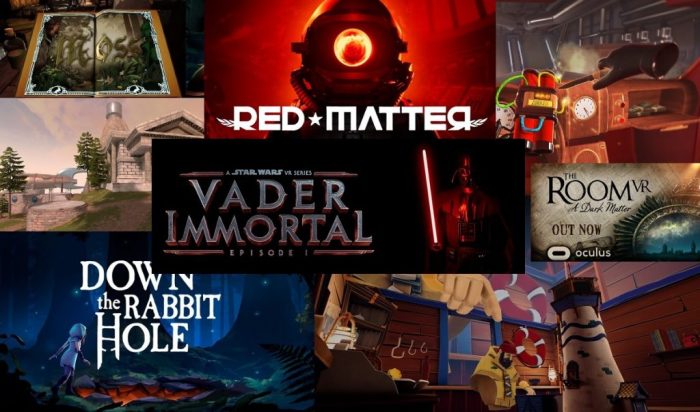
  • “Moss”
    -This charming title features a blend of adventure and puzzle-solving, utilizing a cute mouse character, Quill, that players guide through imaginative environments filled with challenges.
  • “No Man’s Sky VR”
    -An expansive universe awaits exploration in this game, with procedurally generated worlds offering vast opportunities for discovery and adventure.
  • “The Forest”
    -Blending horror with crafting and survival, players are dropped into a mysterious island where they must survive against cannibalistic creatures and uncover dark secrets.

The diversity in gameplay, storytelling, and player interaction found in these popular titles exemplifies the current trends in VR adventure gaming and highlights the genre’s vast potential for growth and innovation.

Multiplayer Gaming in VR Adventures

The realm of VR adventure games is like a thrilling roller coaster ride that occasionally needs a buddy to scream with. When multiplayer functionality zooms into the picture, it transforms solitary quests into epic sagas filled with laughter, camaraderie, and the occasional virtual slap-fight over who gets the best loot. The impact of multiplayer on the gaming experience is not just a sprinkle of magic—it’s the secret sauce that ignites shared journeys and collective challenges.The integration of multiplayer features turns VR adventures into a social playground where players can combine their strengths, strategize against formidable foes, and make each triumph even sweeter (or each defeat more entertaining).

By breathing life into the world around them, players forge friendships and rivalries that make every session memorable. Multiplayer functionality injects unpredictability into gameplay, as you never know when your friend might accidentally launch a fireball in your direction instead of the goblin lurking behind you.

Successful Multiplayer VR Adventure Games

Several titles have mastered the art of multiplayer in the VR space, creating experiences that resonate with players far and wide. The following examples illustrate how multiplayer mechanics can elevate gameplay and engagement:

  • Rec Room: A social VR environment where players can create rooms, play mini-games, and embark on adventures together. This game combines creativity with competition, offering an array of activities from paintball to cooperative quests. Imagine building a cardboard fort while your friend tries to launch water balloons at you—chaos ensues, laughs are had, and friendships are solidified.
  • Phasmophobia: A cooperative horror investigation game where players team up to hunt ghosts. The tension of entering a haunted house with friends and relying on each other’s unique roles (like the ghost-hunting techie or the terrified lookout) adds layers of strategy and hilarity as everyone desperately tries to survive the night. Bonus points for the moments when panic triggers hilariously poor decision-making.

  • No Man’s Sky: Originally a solo space exploration game, it evolved into a multiplayer paradise where players can explore, mine, and build bases together across infinite planets. The sheer scale of the universe means that players can either collaborate to create interstellar empires or engage in friendly space races, occasionally bumping into each other and causing cosmic chaos.

The mechanics here ensure that teamwork is crucial, with each player bringing something unique to the table—like a secret sauce for a culinary adventure or just a really weird dance move to distract the enemies.

Challenges and Advantages of Multiplayer Features in VR

Integrating multiplayer functionality in VR presents both challenges and advantages that developers must navigate with finesse. The challenges include:

  • Technical Constraints: Maintaining smooth performance for multiple players in a virtual environment can pose significant technical hurdles. Developers must ensure that lag is minimized; otherwise, one player’s misstep could lead to a virtual pile-up.
  • Design Complexity: Balancing gameplay to accommodate various playstyles while keeping engagement levels high requires careful design. Each player’s experience must feel rewarding, regardless of their role in the group.
  • User Interaction: Facilitating communication and interaction can be tricky, especially when users have different levels of VR experience. Ensuring that everyone can easily understand and interact with the environment is essential to avoid confusion during gameplay.

On the flip side, the advantages are equally compelling:

  • Enhanced Social Interaction: Multiplayer modes foster a sense of community, enabling players to build friendships and share experiences, which is especially valuable in a platform often seen as isolating.
  • Dynamic Gameplay: Unpredictability reigns supreme in multiplayer settings. The reactions of human players can surprise and entertain, leading to memorable moments that scripted AI simply can’t replicate.
  • Increased Replayability: Different player combinations and strategies can lead to new experiences every time, encouraging players to return and explore the game from different angles.

With these elements in mind, it’s clear that multiplayer functionality not only enhances the thrill of VR adventure games but also poses exciting challenges that push the boundaries of gaming creativity.

Trends and Innovations in Virtual Reality Gaming

As we dive into the fantastical realm of virtual reality adventure gaming, it’s important to recognize that this is not just a passing fad; it’s a wild ride on the technological rollercoaster. With headsets that can transport you to enchanted forests or perilous mountains, the VR gaming landscape is constantly evolving. Whether you are battling dragons or solving ancient puzzles, the innovations making waves in this space are nothing short of magical.Technological advancements are reshaping the very fabric of VR adventure gaming, allowing for experiences that are not only immersive but also incredibly engaging.

From haptic feedback suits that let you feel every battle blow, to AI companions that learn from your gameplay and adapt to your strategies, these enhancements are building a world where players are not just observers, but active participants in their own epic sagas.

Current Trends in VR Adventure Gaming

The landscape of VR adventure gaming is currently being shaped by several vibrant trends that resonate with players eager for fresh experiences. Understanding these trends can illuminate what the future holds for gamers everywhere.

  • Increased Accessibility: VR technology is becoming more affordable, making it accessible to a broader audience. Gone are the days when only tech enthusiasts could don the headset; now, everyone from casual gamers to dedicated adventurers can join in on the fun.
  • Social VR Experiences: Multiplayer options in VR are on the rise, allowing friends and strangers alike to embark on quests together. The power of shared experiences adds a delightful layer of camaraderie, where victories are celebrated and defeats are humorously lamented, all while wearing headsets that make you look like a space alien.
  • Enhanced Graphics and Realism: Advances in graphical fidelity are making virtual worlds more lifelike. With each upgrade, the distinction between reality and the virtual realm blurs further, creating a breathtaking landscape that you can almost taste (though it’s best not to try).
  • Interactive Storytelling: Developers are increasingly focusing on narrative-rich experiences where players’ choices have real impacts. This trend leads to dynamic storylines that can change based on your decisions, making every adventure unique and replayable.

Technological Advancements Shaping the Future

As the digital horizon expands, several cutting-edge technologies are paving the way for the next generation of VR adventures. These innovations not only enhance gameplay but also redefine what it means to be a gamer in a virtual universe.

  • Haptic Feedback Technology: Imagine feeling the rush of a windstorm or the tremor of an explosion through your bodysuit. Haptic feedback is setting a new standard for immersion, allowing players to literally feel the action.
  • Artificial Intelligence: AI-driven characters are becoming more sophisticated, providing players with allies that can strategize and adapt. This technology can lead to unexpected twists in gameplay, keeping players on their toes as they navigate perilous quests.
  • Augmented Reality Integration: The blending of VR with augmented reality (AR) is creating hybrid experiences that overlay game elements on the real world. This innovative approach can provide players with a sense of adventure that extends beyond the confines of their living room.
  • Cloud Gaming: With the rise of cloud gaming platforms, VR titles can be played on a variety of devices without the need for high-end hardware. This democratizes access to immersive gaming, allowing adventurers to quest from anywhere, even while in their PJs.

Comparative Analysis of VR Adventure Games and Traditional Console Games

When it comes to comparing VR adventure games with traditional console games, the differences in gameplay experience and user engagement are as dramatic as a dragon breathing fire in a quiet village.

  • Immersion: VR adventure games offer a level of immersion that console games can only dream of. The sensation of physically being in a world allows players to engage with their surroundings in ways that a controller simply can’t accomplish.
  • Physical Interaction: While console games rely heavily on button mashing and joystick maneuvering, VR allows for intuitive gestures and movements. Swing your sword by actually swinging your arm; the only thing missing is the danger of hitting your cat (please be careful!).
  • Environmental Engagement: In VR, players can interact with the environment in a tactile manner. Want to pick up a giant sword? Just reach out and grab it! Contrast this with traditional console games, where interaction often feels more like a spectator sport.
  • Replayability: VR adventures often feature branching narratives that can lead to different outcomes depending on player choices, whereas many traditional games can become repetitive after the first playthrough. Each VR session can yield a new adventure, offering a freshness akin to finding an extra slice of pizza in the fridge.

Concluding Remarks

VR adventure games

In conclusion, VR adventure games are not just a trend; they are the thrilling rollercoaster ride of the gaming world that keeps on evolving. As technology advances and multiplayer features enhance the experience, the adventures await just around the corner. So, grab your headsets and get ready to dive into worlds where anything is possible, because in VR, the only limit is your imagination (and maybe your living room furniture).

FAQ

What are VR adventure games?

VR adventure games are immersive experiences that place players in fantastical settings where they can explore, solve puzzles, and interact with the environment using virtual reality technology.

Can you play VR adventure games solo?

Absolutely! While many VR adventure games offer multiplayer options, there are plenty of titles designed for solo players, allowing you to embark on epic quests all by yourself.

Do I need a high-end PC for VR adventure games?

Not necessarily! While some VR games require powerful hardware, there are also options available for lower-end systems and standalone VR headsets that can deliver fantastic experiences.

Are VR adventure games suitable for all ages?

Many VR adventure games cater to a wide age range, but it’s always wise to check the game’s rating and content to ensure it’s appropriate for younger players.

How do I avoid motion sickness while playing VR adventure games?

Starting slowly, adjusting the game’s comfort settings, and taking regular breaks can help minimize motion sickness while you enjoy your virtual adventures.

Best VR games Unleashing Virtual Wonders and Fun

Best VR games

Welcome to the fantastical realm of Best VR games, where reality takes a backseat and imagination jumps into the driver’s seat with a cap on its head! Strap on your headset and prepare for a virtual joyride that’ll have you battling dragons, exploring uncharted galaxies, or just trying to keep your balance while dodging flying pies! This introduction whisks you away to the cutting-edge world of VR, where pixels come alive and your living room transforms into an epic battleground.

From the top three titles that are turning heads and raising heart rates to the mind-boggling tech that makes it all possible, we’re diving deep into the evolution of VR gaming, multiplayer magic, and the exciting innovations that keep this digital playground bustling with energy.

Best VR Games Overview

Virtual Reality (VR) gaming has truly become a phenomenon, transporting players into breathtaking worlds where the impossible becomes possible. The immersion, interactivity, and sheer joy of being inside a game have elevated the experience beyond the flat screens of traditional gaming. In this vibrant realm, a few games have managed to stand out as the cream of the crop, captivating audiences and redefining what we expect from our gaming escapades.One of the significant highlights of VR gaming is its evolution.

From rudimentary setups that made players dizzy to hyper-realistic environments that allow for genuine exploration, VR has undergone an astronomical transformation over the years. The focus has shifted from merely experiencing graphics to indulging in tactile interactions, allowing players to touch, feel, and even smell their surroundings. As technology has improved, so too has the capacity for VR to deliver experiences that are not just visually stunning but also emotionally resonant.

Top Three Best VR Games

To appreciate the pinnacle of VR gaming, it’s essential to recognize the games that have taken the industry by storm. Here are three titles that have become synonymous with the best in the VR landscape:

  • Half-Life: Alyx
    -This title has set a new benchmark for what VR can achieve. Players step into the shoes of Alyx Vance, engaging in a gripping narrative filled with puzzles and action. The attention to detail—from the physics of object manipulation to the immersive sound design—creates an experience that feels almost lifelike. Not to mention, it’s like a roller coaster of anxiety and excitement for your senses!
  • Beat Saber
    -It’s hard not to get addicted to slicing beats as they come hurtling towards you. This rhythm-based game combines music and movement, encouraging players to swing their lightsabers in sync with catchy tunes. It’s a workout disguised as a game, and it’s so exhilarating that you might forget you’re burning calories while dancing like a Jedi at a rave!
  • The Walking Dead: Saints & Sinners
    -If you’ve ever dreamed of surviving a zombie apocalypse, this is your chance. This game immerses players in a gritty, survival-horror experience, where every decision can be life or death. With a blend of resource management, moral choices, and visceral combat, it’s a delightful mix of fear and thrill that keeps players coming back for more—and still checking over their shoulders for zombies!

Technology Behind VR Gaming

The technology driving VR gaming is a fusion of advanced hardware and intricate software designed to create a seamless experience. At the heart of VR are headsets equipped with high-resolution displays, motion sensors, and stereoscopic 3D capabilities. These components work together to trick the brain into believing it’s somewhere else entirely.

“The magic of VR lies in its ability to transform reality into a playground of imagination.”

Additionally, haptic feedback technology enhances player engagement by allowing them to feel the virtual world—whether it’s the rumble of an explosion or the tension of a drawn bowstring. Wireless technology has also played a pivotal role, liberating players from restrictive cords and allowing for more fluid movement, making players feel like they can leap off cliffs or dodge imaginary grenades without the fear of tripping over the cat.As VR gaming continues to evolve, the integration of artificial intelligence and machine learning will further enhance the realism and interactivity of games.

Imagine a world where NPCs (non-playable characters) can learn from player behavior, adapting their responses to create more dynamic and personalized storytelling experiences. The future of VR gaming is not just bright—it’s mind-bogglingly exciting!

Multiplayer Gaming in Virtual Reality

Best VR games

Welcome to the wacky world of multiplayer gaming in virtual reality, where your friends can suddenly become the characters from the latest sci-fi movie you’ve been binge-watching. Imagine the thrill of battling dragons, conducting orchestra for a virtual symphony, or even building a Lego empire together, all while wearing a headset that makes you look like you’re trying to fend off invisible aliens during a game of charades.

Multiplayer VR gaming is a rapidly growing domain, bringing together players from all corners of the globe to engage in virtual escapades that are as immersive as they are entertaining. But what makes these virtual experiences particularly unique? Let’s dive into the comparison of some popular multiplayer VR games, each offering its own peculiar features that make your head spin – sometimes literally!

Comparison of Popular Multiplayer VR Games

The world of multiplayer VR games is vibrant and diverse, with each title carving its own niche in the gaming landscape. Here’s a breakdown of some popular options that make multiplayer gaming a rollercoaster ride of laughter, competition, and occasionally, friendly chaos.

Game Title Unique Features
Rec Room Offers a variety of mini-games, a creative space for building, and a social hub all in one. Think of it as a VR playground where the only limit is your imagination (and possibly your friends’ patience).
VRChat Unleashes an endless array of user-generated worlds and avatars, allowing players to explore, socialize, and occasionally engage in deep philosophical discussions about why the sky is blue.
Pavlov VR A shooter game that offers a realistic experience with various modes, including zombie mode, where you can enjoy the thrill of survival (and the occasional scream).
Beat Saber Combines rhythm and exercise as players slice through blocks to the beat of the music, proving that you can be both a ninja and a dance star in one fell swoop.

The excitement of multiplayer gaming does not come without its challenges. In the VR realm, players must navigate issues like motion sickness, connectivity problems, and the occasional awkward moment when you accidentally punch your friend in the face while trying to swing a virtual sword.

Benefits and Challenges of Multiplayer Gaming in VR

Multiplayer gaming in VR brings with it a plethora of benefits that can transform a typical game night into a memorable adventure.

  • Enhanced Social Interaction: Players can communicate and interact in real-time, making conversations more engaging and fun. It’s like going to a party without the need for pants.
  • Immersive Experiences: The ability to fully immerse oneself in a virtual world adds a layer of excitement that traditional gaming can’t match. You’re not just playing the game; you’re living it!
  • Physical Engagement: Many VR games promote physical activity, encouraging players to move around, dodge attacks, or dance like no one is watching—except they totally are.

However, the challenges are real and can be a bit of a double-edged sword:

  • Motion Sickness: Some players experience discomfort or dizziness, especially in fast-paced games. It’s like your body is saying, “What are you doing? You’re not actually moving!”
  • Technical Issues: Connectivity or hardware problems can interrupt gameplay, leaving players frustrated and staring at a blank screen instead of their friends’ virtual faces.
  • Physical Space Constraints: Players need a clear area to move around safely. Unfortunately, furniture and pets can be unexpected adversaries in the virtual battlefield.

Strategies for Enhancing Social Interaction in Multiplayer VR Gaming Sessions

Engaging with friends in VR can sometimes feel like being at a party where everyone is wearing the same costume—fun, but can get repetitive. Here are some strategies to spice up your social interactions during multiplayer gaming sessions:

  • Create Custom Rooms: Set up themed rooms or environments in games like VRChat to foster unique experiences. Themed nights could be anything from 80s disco parties to intergalactic space travel.
  • Organize Events: Plan in-game tournaments or challenges that encourage friendly competition. Who doesn’t want to showcase their skills while simultaneously making a total fool of themselves?
  • Use Voice Chat Wisely: Make use of in-game voice chat features to maintain a casual vibe. Just remember to keep it light-hearted; nobody likes a sore loser!

In this ever-evolving world of multiplayer VR gaming, the only limit is your creativity (and maybe the cord of your headset). So grab your friends, don your headsets, and dive into a universe where every match is a new adventure!

Trends and Innovations in VR Gaming

Best VR games

In the ever-evolving world of virtual reality gaming, trends and innovations pop up faster than you can say “headset.” As technology advances, gamers are treated to increasingly immersive experiences that blur the lines between reality and the digital realm. This vibrant landscape is not just about fancy gadgets; it’s a revolution in how we interact with games, each other, and even our own living rooms.One of the most exciting trends in VR gaming is the integration of augmented reality (AR) and mixed reality (MR) elements.

These technologies allow players to interact with virtual objects in their real environment, leading to experiences that are as mind-boggling as trying to pet a holographic cat. The rise of social VR spaces has also transformed gameplay, providing platforms where players can gather, chat, and engage in virtual shenanigans while donning their trusty headsets. Additionally, haptic feedback technology is making waves, giving players the ability to feel the virtual world around them, from the weight of a sword to the tickle of a virtual butterfly – the possibilities are endless!

Impact of Console Games on VR Gaming

Console gaming has dramatically reshaped the VR landscape, paving the way for more accessible and diverse gaming experiences. Traditionally, VR was primarily a niche market, but the integration of VR capabilities into widely popular consoles has introduced a new audience to this thrilling medium. Platforms like PlayStation VR have proven that you don’t need a supercomputer to embark on a virtual adventure; all you need is a console and a sense of wonder.The synergy between console games and VR is driving studios to create hybrid experiences that blend traditional gaming mechanics with immersive virtual environments.

Think of it as the chocolate-and-peanut-butter effect: two great tastes that taste great together. With titles like “Astro Bot Rescue Mission” and “Half-Life: Alyx,” it’s clear that console-backed VR games are not just an afterthought but a solid direction for the future of gaming.

Upcoming VR Titles to Watch For

As we gaze into the crystal ball of gaming, a slew of upcoming VR titles promises to take players on wild rides through uncharted territories. The excitement is palpable, and the potential for innovation is enough to make any VR enthusiast drool. Here’s a taste of what’s on the horizon:

  • Horizon Call of the Mountain
    -Set in the same universe as the critically acclaimed “Horizon Zero Dawn,” this title is expected to offer breathtaking visuals and a captivating storyline, allowing players to explore new regions and encounter iconic machines in a VR format.
  • Moss: Book II
    -Following the charming little mouse Quill, this sequel takes the beloved gameplay mechanics of the original and expands upon them with new puzzles and environments, allowing players to experience a beautifully crafted story from a fresh perspective.
  • Resident Evil 4 VR
    -A reimagining of the classic horror game, this version will heighten the tension and terror, putting players right in the shoes of Leon Kennedy as he battles gruesome foes in an immersive environment designed to keep hearts racing.
  • Boneworks: Multiplayer Update
    -The physics-based VR game is set to introduce multiplayer functionality, allowing players to engage in chaotic battles and creative gameplay experiences that push the boundaries of what VR can achieve.
  • Ghostbusters: Rise of the Ghost Lord
    -Step into the iconic jumpsuit and grab your proton pack in this thrilling co-op experience where players can team up to capture ghosts in an expansive, interactive world.

These upcoming titles not only promise to push the envelope of what VR gaming can accomplish but also stand to engage the community in exciting new ways. With innovative features and enriched narratives, the future of VR gaming looks brighter than a supernova – and we can’t wait to dive headfirst into it!

Epilogue

As we pull off the VR headset and return to our cozy reality, it’s clear that the Best VR games aren’t just games; they’re portals to new dimensions of fun and friendship! With the past, present, and future of virtual reality laid bare, it’s time to grab your gear and jump back into those pixelated worlds. Whether it’s solo escapades or multiplayer mayhem, the future is bright and full of adventures just waiting to be explored.

So, happy gaming, and may your virtual quests be epic!

User Queries

What are the best VR games currently available?

The best VR games include titles like Half-Life: Alyx, Beat Saber, and Boneworks, celebrated for their immersive experiences and innovative gameplay.

How has VR gaming evolved over the years?

VR gaming has progressed from basic simulations to fully immersive environments with advanced graphics, haptic feedback, and social interaction capabilities.

What technology is behind VR gaming?

VR gaming relies on headsets, motion sensors, and advanced graphics technology to create an immersive experience that tricks the brain into believing it’s in another world.

Are there any challenges with multiplayer VR gaming?

Yes, challenges include motion sickness, the need for physical space, and the potential for players to feel isolated despite being in a shared environment.

What are some upcoming VR titles to watch for?

Keep an eye out for titles like Resident Evil 4 VR and the much-anticipated Horizon Call of the Mountain, promising thrilling new adventures!

Strategy game reviews Unpacking the Tactics and Trends

Vg247 starcraft

Strategy game reviews offer a thrilling exploration into a world where tactical minds clash and every decision counts like it’s the last cookie in the jar. These reviews dive into what makes a strategy game not just good but worthy of your precious gaming hours, highlighting everything from multiplayer shenanigans to the nostalgic allure of classic titles.

From the buzzing consoles to the pixelated screens of PCs, gamers are continually redefining the strategy genre. We’ll journey through the essential elements that elevate these games, the community’s voice that shapes them, and the emerging trends that make every new release a potential blockbuster or a floppable flop.

Strategy Game Reviews Overview

Strategy game reviews

In the vast universe of gaming, strategy games stand as the cerebral giants, demanding not just quick reflexes but a mind sharp enough to slice through layers of tactical challenges. These games often revolve around careful planning, resource management, and anticipating opponents’ moves. As we dive into what makes a strategy game worthy of review, let’s unravel the key elements that define the realm of strategic gameplay.The essence of a strategy game lies in its complexity and depth, which combine to create an engaging experience for players.

A worthy strategy game captivates its audience through several critical elements: well-designed mechanics, balanced gameplay, and an immersive storyline that draws players into its world. Furthermore, the interface must be user-friendly, allowing players to focus on strategy rather than struggling with controls.

Impact of Multiplayer Features on Strategy Games

Multiplayer features have revolutionized the landscape of strategy games, inviting players to engage in epic confrontations and alliances. The social aspect transforms solitary strategizing into a collaborative or competitive dance where players must outsmart not just the AI but also real-life opponents. The importance of multiplayer features can be highlighted through various examples:

  • StarCraft II: Renowned for its competitive scene, the game fosters an environment where players sharpen their skills against one another, turning every match into a high-stakes battle of wits.
  • Age of Empires IV: With its multiplayer mode, this title allows for intricate strategies to unfold as players lead civilizations against human foes, emphasizing cooperative play and old-school rivalry.
  • League of Legends: While primarily a MOBA, its strategic elements in team composition and map control echo the depth found in traditional strategy games, fostering a community of players who develop cunning strategies together.

The potential for teamwork, betrayal, and unexpected alliances makes multiplayer features a cornerstone of modern strategy gaming, enhancing the replay value and community engagement.

Trends in Strategy Games Compared to Classic Titles

Examining trends in strategy games reveals a fascinating evolution from classic titles to contemporary gems. Recent releases have adopted mechanics and aesthetics that cater to a wider audience, yet still pay homage to the roots of strategy gaming. A comparison of recent titles with classics highlights several notable trends:

  • Visual Fidelity: Modern games like Total War: Three Kingdoms boast stunning graphics that breathe life into battlefields, unlike the pixelated sprites of Command & Conquer.
  • Accessibility: Games like XCOM 2 have introduced difficulty settings that accommodate both newcomers and veterans, breaking down barriers that once made classic titles intimidating.
  • Hybridization: New entries are blending genres; for example, Fire Emblem: Three Houses combines tactical gameplay with RPG elements, creating a hybrid experience unheard of in the days of Advance Wars.
  • Online Integration: Services like Steam have made it easier for players to connect and engage in communities, a stark contrast to the isolated gameplay of older titles.

These trends reflect the changing landscape of strategic gameplay, showcasing how developers are innovating while honoring the rich legacy of classic strategy games.

“Strategy games are not just about winning; they are about outwitting a fellow human being who is also trying to win – the ultimate chess match where the pawns have guns!”

Digital Platforms for Strategy Games

In the vast universe of strategy games, the platform you choose can dramatically influence your gameplay experience. Whether you’re feverishly clicking the mouse on a PC or expertly navigating your console controller, each medium has its own quirks and charms. This segment takes a delightful dive into the digital realms of strategy gaming, highlighting the differences between console and PC experiences, offering VR optimization tips, and showcasing some illustrious titles available on gaming consoles.

Differences in Strategy Game Experiences Across Console Games and PC

The battle between PC and console strategy gaming resembles a classic tactical showdown, complete with unique advantages and a few quirks on either side. Here are some key elements that differentiate the two experiences:

  • Control Schemes: PC users enjoy the precision of a mouse and keyboard, offering quick selections and strategic multitasking. In contrast, consoles rely on gamepads, which can sometimes feel like maneuvering a battleship with a teaspoon.
  • Graphics and Performance: Generally, PCs can be upgraded for superior graphics and faster processing, leading to visually stunning battlefields. Consoles, however, ensure that everyone plays on a level field with consistent performance, even if the graphics might lag behind the latest PC setups.
  • Mods and Customization: The PC gaming community thrives on mods, allowing players to tweak and enhance their experiences. Console gamers often feel like they’re eating a pre-packaged meal—delicious but not customizable.
  • Social Experience: Consoles often provide a more user-friendly interface for online play, which can enhance the communal feel of a game. However, PC gamers can revel in the vast world of forums, wikis, and streams, engaging in a digital symposium of strategy.

Optimizing Strategy Games for Virtual Reality Platforms

Stepping into the realm of virtual reality (VR) transforms strategy gaming from a two-dimensional chessboard into a three-dimensional battlefield, immersing you in the action like never before. To optimize your strategy experience in VR, consider the following tips:

  • Adjust Comfort Settings: Ensure your VR headset settings are adjusted for your comfort, reducing motion sickness. A quick tweak here can mean the difference between an epic victory and a hasty retreat to your couch.
  • Space Management: Clear your physical space to avoid collisions with real-life furniture while you’re immersed in virtual warfare. A well-placed coffee table can mean an unexpected trip to the ER.
  • Fine-Tune Game Settings: Some games offer options to adjust visual fidelity and performance. Lowering settings can lead to smoother gameplay, especially in graphically intense moments where every frame counts.
  • Practice Your Moves: Many VR strategy games involve physical movements, so practice your dodging and ducking to avoid feeling like a deer caught in the headlights during a major battle.

Popular Strategy Games Available on Gaming Consoles

Console strategy games have carved out a niche, offering unique features that entice players to pick up their gamepads. Here are some beloved titles that stand out:

  • Halo Wars 2: A console-exclusive real-time strategy (RTS) game that merges the thrill of the Halo universe with strategic troop management, allowing players to command armies with spectacular flair.
  • XCOM 2: Despite its tactical depth, XCOM 2 shines on consoles with its streamlined interface, making it easier for players to command their squads and fend off alien invaders without feeling overwhelmed.
  • Fire Emblem: Three Houses: This tactical RPG masterpiece combines engaging storytelling with strategic gameplay. Console players can immerse themselves in a world of alliances and betrayals without the need for a mouse-clicking marathon.
  • Age of Empires II: Definitive Edition: While historically a PC staple, console ports have made it possible for players to strategize and conquer civilizations from the comfort of their couches, proving that age is just a number.

Gaming Community and Trends

In the vast digital realm of strategy games, the gaming community acts as both the cheering crowd and the critical referee. With the click of a mouse, players express their opinions, dissect mechanics, and provide feedback that developers can’t ignore. Just like a good cup of coffee, community feedback is essential for brewing a better gaming experience. Without it, the strategy game landscape would be as bland as a day-old sandwich.The gaming community doesn’t just provide passive support; it actively shapes the landscape of strategy games through insights that influence design and development.

Developers keep their ears finely tuned to the pulse of player feedback, which can lead to significant changes in gameplay mechanics, balance adjustments, and even the overall direction of new titles. This dynamic interaction fosters a vibrant ecosystem where players feel valued, and developers are inspired to innovate.

Community Feedback’s Impact

Community feedback serves as a vital lifeline for strategy game reviews and development. It allows players to voice their triumphs, frustrations, and suggestions, which can lead to both short-term fixes and long-term improvements in gameplay. Here are some key aspects of how community feedback influences the gaming experience:

  • Balancing Act: Developers often tweak game mechanics based on community feedback to ensure that no one faction or strategy becomes overwhelmingly powerful. Think of it as a digital referee blowing the whistle to keep the game fair!
  • Content Creation: Players’ requests and ideas can inspire new game modes, maps, and even units, making them feel like they are part of the creative process.
  • Bug Reporting: Gamers are quick to point out glitches and bugs that developers may have missed, acting as an unpaid but highly efficient quality assurance team.
  • Trends Identification: Community feedback can reveal emerging trends that developers might capitalize on, ensuring that the game remains relevant and engaging.

Influence of Gaming Trends

In the ever-evolving world of strategy games, trends play a crucial role in shaping new designs and features, especially regarding multiplayer options. The rise of cooperative gaming and online competition has transformed how developers conceptualize new titles. To illustrate this influence on game design, consider the following trends:

  • Multiplayer Integration: Strategy games are leaning towards robust multiplayer experiences that allow players to cooperate or compete, enhancing social interaction and increasing replayability.
  • Live Service Models: Many modern strategy games adopt live service elements, providing ongoing content updates, seasonal events, and social challenges to keep players engaged over time.
  • Cross-Platform Play: As the gaming world becomes more interconnected, the ability to compete with friends across various platforms has become a significant trend, encouraging inclusive community growth.
  • Esports Influence: Competitive gaming has surged, leading to the emergence of strategy games designed with esports in mind, where every tiny decision can lead to victory or defeat.

Parallels Between Strategy Games and Sports Gambling

When we peek into the world of sports gambling, we see striking parallels with strategy games. Both require critical thinking, strategic placement, and a bit of luck—like throwing dice or hoping your commander doesn’t trip over a rock. Here are some aspects that highlight the similarities:

  • Risk and Reward: Just like betting on a team, strategy games often involve calculated risks. Players must weigh their options carefully, considering possible outcomes before making a move.
  • Statistical Analysis: Gamers and gamblers alike love their stats! Knowing the strengths and weaknesses of your units or teams can be the difference between a glorious triumph and a catastrophic failure.
  • Informed Decisions: Both realms involve gathering information and making informed choices. Whether it’s analyzing a rival’s strategy or assessing a team’s form, intelligence is power.
  • Community Insight: Just as gamblers share tips and tricks, strategy gamers often exchange strategies and insights, creating a community that thrives on knowledge and experience.

Final Thoughts

Vg247 starcraft

As we wrap up our tactical journey through the realm of strategy game reviews, it’s clear that these games do more than entertain; they challenge our minds and bring us together—whether we’re conquering virtual lands or bantering over a multiplayer match. So gear up, strategize, and let your gaming adventures lead you to glory (or at least a good laugh)!

FAQ Corner

What factors make a strategy game appealing?

Engaging gameplay, balanced mechanics, innovative features, and a thriving community all contribute to the appeal of a strategy game.

How important are multiplayer features in strategy games?

Multiplayer features enhance competition and collaboration, often making the gameplay experience more dynamic and enjoyable.

Are strategy games better on PC or console?

This largely depends on personal preference; PCs often offer more customization and control, while consoles provide simplicity and ease of play.

What trends are shaping the future of strategy games?

Emerging trends include the integration of VR technology, mobile accessibility, and a greater emphasis on community-driven content.

How does community feedback affect strategy game development?

Community feedback helps developers identify strengths and weaknesses, allowing them to make informed adjustments that can enhance gameplay and user satisfaction.